Aggregate Extraction Near Shorelines:
The Hidden Impact
Ontario needs sand and gravel for roads and buildings, but the pits and quarries near waterways come at an environmental cost
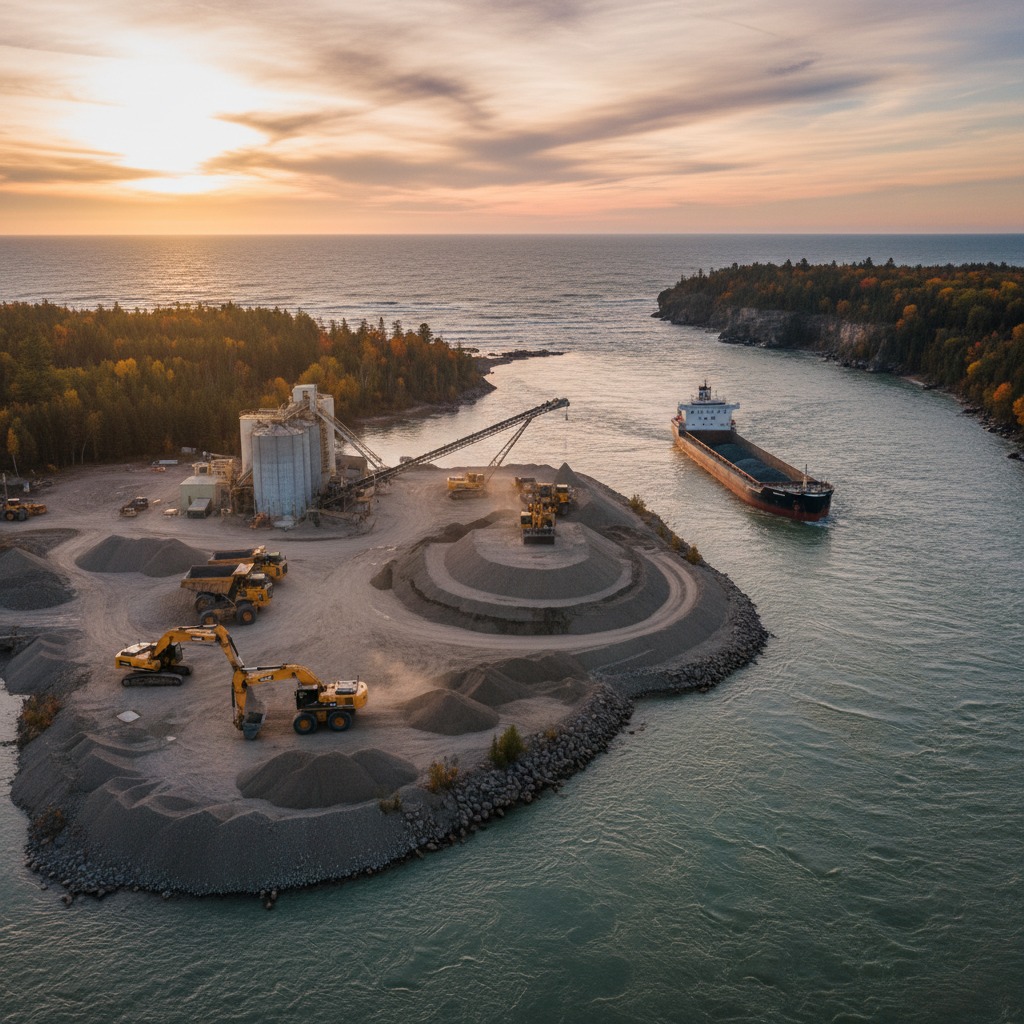
Drive through the countryside near any Ontario waterfront community and you will likely pass a gravel pit or quarry. These aggregate extraction operations supply the sand, gravel, and crushed stone that are essential raw materials for road construction, building foundations, concrete production, and a wide range of infrastructure projects. Ontario consumes approximately 170 million tonnes of aggregate annually, and a significant portion of it is extracted from deposits located near rivers, lakes, and shorelines.
The proximity of aggregate deposits to waterways is not coincidental. Glacial processes deposited vast quantities of sand and gravel in valleys, outwash plains, and shoreline terraces that are now among the most productive aggregate sources in the province. These same geological features are often associated with significant groundwater resources, fish habitat, and sensitive ecosystems. The tension between the economic necessity of aggregate extraction and the environmental sensitivity of the locations where aggregates are found is a recurring theme in Ontario land use planning.
Environmental Concerns
Aggregate extraction near shorelines and waterways can affect the aquatic environment through several pathways. Removal of overburden and vegetation exposes soil to erosion, and sediment-laden runoff can enter nearby watercourses, degrading water quality and smothering fish habitat. Dewatering of extraction areas can lower local water tables, reducing flows in connected streams and wetlands. Dust from crushing and processing operations can settle on adjacent water surfaces and vegetation. Truck traffic on unpaved haul roads generates additional dust and sediment.
Groundwater impacts are a particular concern for operations near shorelines. Many aggregate deposits are located within or above significant groundwater resources that feed streams, maintain wetlands, and supply drinking water wells. Extraction below the water table can alter groundwater flow patterns, potentially affecting water levels in nearby lakes and streams. Exposure of the water table in extraction areas creates open ponds that can become sources of thermal pollution if warm surface water enters the groundwater system.
The noise, dust, and traffic associated with aggregate operations affect the quality of life in nearby communities. Truck traffic on rural roads designed for local use creates safety concerns, road damage, and noise that can be heard at considerable distances. The visual impact of a large extraction operation can be significant, particularly in areas valued for their scenic waterfront character.
The Regulatory Framework
Aggregate extraction in Ontario is governed by the Aggregate Resources Act, which requires operators to obtain a licence or permit before extracting aggregate. The licence application process includes an assessment of potential environmental impacts and the development of site plans that specify extraction limits, operational procedures, and rehabilitation requirements. Progressive rehabilitation, where extracted areas are restored to a specified end use as extraction advances, is a condition of all aggregate licences.
The Provincial Policy Statement includes policies that protect aggregate resources from incompatible development while also requiring that extraction operations protect the natural environment. The policy framework attempts to balance the economic importance of aggregate supply with the need to protect water resources, natural heritage features, and community character. In practice, this balance is often contested at the local level.
Conservation authorities review aggregate proposals for their effects on water resources, natural hazards, and natural heritage features within the regulated area. Federal review under the Fisheries Act may be triggered if the operation could affect fish habitat. Municipal official plans and zoning bylaws may designate areas where aggregate extraction is permitted and establish conditions related to setbacks, operating hours, truck routes, and rehabilitation.
Rehabilitation and Legacy
The Aggregate Resources Act requires that all extraction sites be rehabilitated when operations cease. Rehabilitation typically involves re-grading the extracted area, restoring soil, and establishing vegetation. In some cases, rehabilitation includes the creation of wetlands, lakes, or other aquatic features in areas where extraction has occurred below the water table.
The quality of rehabilitation varies widely. Some former aggregate sites have been successfully rehabilitated into productive agricultural land, recreational areas, or naturalized habitat. Others remain in a degraded state long after extraction has ended, with inadequate vegetation cover, unstable slopes, and contaminated ponds. The adequacy of the financial security posted by operators to guarantee rehabilitation, and the enforcement of rehabilitation requirements by the provincial government, are ongoing concerns.
Near shorelines, the legacy of aggregate extraction can persist long after the site is closed and rehabilitated. Changes to groundwater flow patterns may be permanent. Lost wetland and forest habitat may take decades to recover, if it recovers at all. Sediment and contaminants that entered waterways during operations continue to affect water quality downstream.
The Community Perspective
For communities near proposed aggregate operations, the prospect of a new pit or quarry is often met with strong opposition. Residents worry about property values, health effects from dust, safety risks from truck traffic, and the transformation of rural landscapes they moved to the area to enjoy. The economic benefits of aggregate extraction, including jobs, royalties, and the supply of materials for local construction, are real but are often concentrated among the operator and a small number of employees, while the costs are borne broadly by the surrounding community.
Community opposition has become more organized and more effective in recent years. Residents groups have successfully challenged aggregate proposals at the Ontario Land Tribunal and through judicial review, sometimes blocking or significantly modifying proposed operations. These victories come at a cost, however, as the legal and technical expenses of opposing an aggregate proposal can be substantial.
The aggregate industry argues that the resource must be extracted where it exists and that the alternative, importing aggregate from greater distances, increases costs and carbon emissions. This argument has merit, but it does not relieve the industry of its obligation to extract responsibly, mitigate impacts effectively, and rehabilitate fully. The communities that host these operations deserve no less.
By James Whitfield, Planning and Development Reporter