Birding Hotspots Along
Ontario Shorelines
Where to find the waterfowl, shorebirds, and raptors that make Ontario shorelines world-class birding destinations
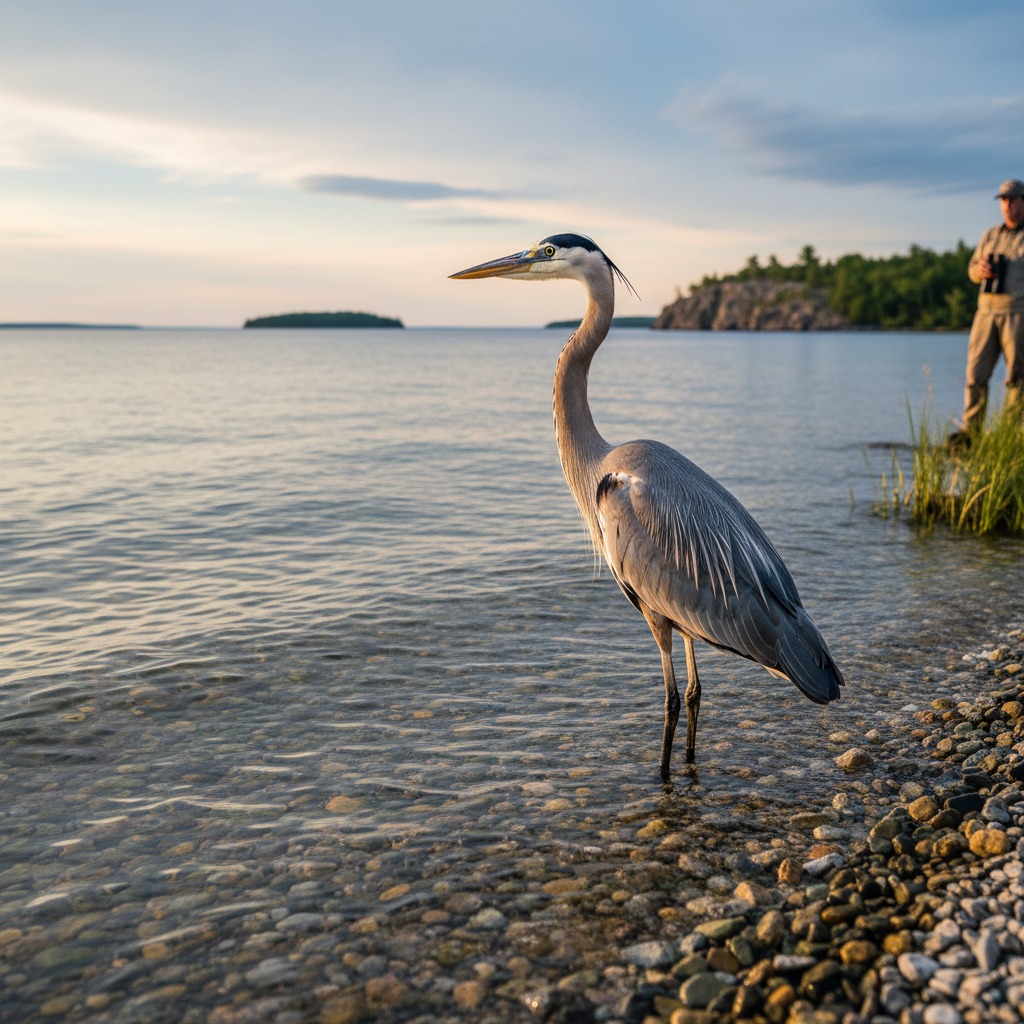
Ontario sits at the intersection of two major migratory flyways, and its shorelines serve as critical stopover, breeding, and wintering habitat for hundreds of bird species. From the massive waterfowl concentrations on Lake St. Clair in autumn to the spring warbler migration along the north shore of Lake Erie, from the colonial waterbird nesting colonies on the Great Lakes to the shorebird staging areas on James Bay, Ontario's waterfront birding is among the best in North America.
Shoreline habitats are particularly productive for birding because they concentrate birds at the interface between land and water. Wetlands provide food and shelter for waterfowl and marsh birds. Beaches and mudflats attract shorebirds. Lakeside forests and thickets funnel migrating songbirds into narrow corridors where they can be observed in remarkable numbers. Even the open water of the Great Lakes supports species like jaegers, scoters, and rare gulls that birders travel hundreds of kilometres to see.
Point Pelee National Park
Point Pelee, the southernmost point of mainland Canada, is the most famous birding destination in Ontario and one of the most famous in the world. The park's peninsular geography concentrates migrating birds at its tip, where they pause before crossing Lake Erie. During the peak of spring migration in May, the park can produce extraordinary numbers of warblers, vireos, tanagers, orioles, and other neotropical migrants. More than 390 species have been recorded at Point Pelee, making it one of the most species-rich locations in Canada.
Fall migration at Pelee is equally impressive but different in character. Raptors, monarch butterflies, and dragonflies stream through in September and October, and waterfowl build up in the marshes through autumn. The park's marsh boardwalk provides excellent access to wetland habitat year-round, and the beach and tip area can produce rare shorebirds, gulls, and open-water species.
Long Point
Long Point, the sand spit extending into Lake Erie near Port Rowan, is a UNESCO World Biosphere Reserve and one of the most important migratory staging areas in the Great Lakes. The Long Point Bird Observatory, Canada's oldest, has been monitoring bird populations here since 1960. The combination of extensive marshes, sand beaches, dune grasslands, and Carolinian forest supports a diversity of habitats that attracts an equally diverse assemblage of birds.
Spring and fall migration are the peak seasons, but Long Point produces good birding year-round. Tundra swans stop here in huge numbers during spring migration. Shorebirds use the mudflats and beaches during fall migration. In winter, the open water off the point can hold large numbers of diving ducks and occasional rarities. The Long Point Waterfowl and Wetlands Research Fund operates a visitor centre at the base of the spit that provides information and access to the area.
Presqu'ile Provincial Park
Presqu'ile Provincial Park on Lake Ontario is another premier shoreline birding destination. The park's position on a peninsula creates a concentration effect similar to Point Pelee, though on a smaller scale. The combination of marsh, beach, rocky shoreline, and mature forest provides diverse habitat within a compact area. The park hosts breeding populations of several species at risk, including least bittern and black tern, and its offshore waters attract significant numbers of ducks, grebes, and other waterbirds during migration and winter.
The Lake Huron Coast
The eastern shore of Lake Huron from Sarnia to Tobermory offers excellent birding opportunities that are often overlooked in favour of the more famous Lake Erie sites. The Pinery Provincial Park near Grand Bend supports outstanding Carolinian forest birding, with breeding populations of prothonotary warbler, Acadian flycatcher, and other southern species at the northern edge of their range. The coastal dunes and beach areas attract shorebirds during migration.
Further north, the shoreline wetlands and river mouths along the Huron coast provide habitat for marsh birds, waterfowl, and raptors. The Saugeen River mouth near Southampton is particularly productive during fall migration, and the harbour areas at Goderich and Kincardine can produce interesting gulls and other water-associated species throughout the year.
Georgian Bay and Lake Superior
The rugged shorelines of Georgian Bay and Lake Superior offer different birding experiences. Breeding loons, mergansers, and osprey are common along the rocky Georgian Bay coast, and the offshore islands support colonies of herring gulls and double-crested cormorants. In fall, hawk watches along the Georgian Bay shore can produce impressive raptor flights as broad-winged hawks, red-tailed hawks, and other species migrate south along the escarpment and lakeshores.
Lake Superior's north shore is remote but rewarding. Breeding boreal species such as spruce grouse, gray jay, and boreal chickadee can be found in the forests along the coast. Peregrine falcons nest on the lakeside cliffs. And during fall migration, the concentration of birds along the Superior shore can rival sites further south.
Getting Started
Shoreline birding in Ontario requires no special equipment beyond a pair of binoculars and a field guide, though a spotting scope is valuable for scanning open water and mudflats. Timing matters enormously. The best birding typically occurs during the peak migration periods of May and September-October, though winter birding along the Great Lakes can produce species not found at any other season. Check eBird, the online birding database, for recent reports from the area you plan to visit. Local birding clubs can provide guidance on the best spots and current conditions. And remember that the shoreline is always worth a look, even on days when the birds seem quiet. There is always something to see at the water's edge.
By Dale Burrows, Recreation and Outdoors Writer