Brownfield Sites and
Waterfront Redevelopment
The former factories and fuel depots along Ontario waterfronts are becoming condos and parks, but what lurks beneath the surface matters
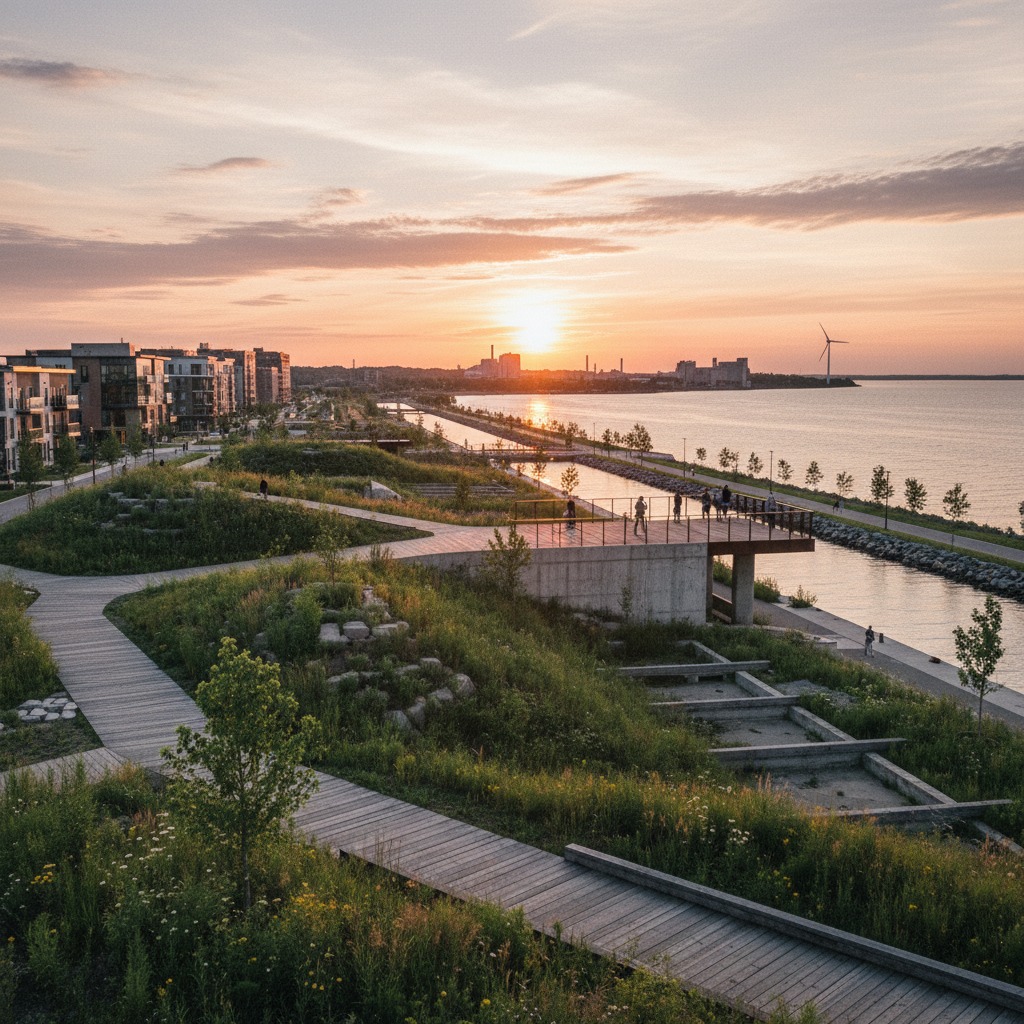
Ontario's waterfront towns are dotted with remnants of their industrial past. Former sawmills, fuel storage depots, metalworking shops, tanneries, gas stations, and rail yards sit on some of the most valuable land in these communities, prime waterfront real estate that has been vacant or underused for years because of the contamination left behind by decades of industrial activity. These brownfield sites represent both a challenge and an opportunity for waterfront communities looking to revitalize their shorelines.
Brownfield redevelopment, the process of cleaning up and repurposing contaminated or underused sites for new productive uses, has become a key component of waterfront revitalization across Ontario. Done well, it transforms environmental liabilities into community assets. Done poorly, it can leave contamination in place, create health risks, and generate legal liabilities that persist for generations.
The Contamination Legacy
Waterfront industrial sites are contaminated for straightforward reasons. Industries that operated near the water did so because they needed water for processing, cooling, transportation, or waste disposal. The environmental regulations that now govern industrial operations were weak or non-existent for most of the 20th century, and practices that are now illegal, such as discharging waste directly into waterways, burying chemical containers on site, and storing fuel without secondary containment, were standard operating procedure.
The types of contamination found at waterfront brownfield sites vary by the former use. Former fuel storage facilities may have petroleum hydrocarbons in soil and groundwater. Metalworking shops may have left heavy metals including lead, chromium, and zinc. Dry cleaning operations contributed chlorinated solvents. Manufactured gas plants left behind coal tar and associated compounds. The contamination may extend from the surface soil deep into the groundwater and may have migrated off-site through groundwater flow or surface water runoff.
The Cleanup Process
Cleaning up a contaminated waterfront site in Ontario is governed by the Environmental Protection Act and the associated Ontario Regulation 153/04, which establishes the process for filing records of site condition. Before a brownfield site can be redeveloped for a more sensitive use, such as residential or parkland, the proponent must demonstrate that the site meets the applicable environmental standards through a phase one environmental site assessment, which identifies potential sources of contamination, and a phase two environmental site assessment, which involves sampling and analysis to characterize the nature and extent of actual contamination.
If contamination is found to exceed the applicable standards, the proponent must either remediate the site to bring it into compliance, which may involve excavation and disposal of contaminated soil, treatment of contaminated groundwater, or other remediation technologies, or apply a risk assessment approach that demonstrates the contamination does not pose an unacceptable risk to human health or the environment given the proposed use and the risk management measures that will be implemented.
The costs of brownfield cleanup can be substantial. A moderately contaminated site may require hundreds of thousands of dollars for assessment and remediation. Heavily contaminated sites, particularly those with groundwater contamination or deep soil impacts, can cost millions. These costs, combined with the uncertainty about what will be found as investigation proceeds, are the primary barrier to brownfield redevelopment.
The Opportunity
Despite the challenges, brownfield waterfront redevelopment offers significant benefits for communities. Reusing already-developed land reduces pressure to develop greenfield sites on the urban fringe. Cleaning up contamination improves environmental conditions for adjacent properties and the broader waterfront. The new uses that replace the former industrial activity, whether residential, commercial, recreational, or a combination, bring economic activity and community vitality to previously underused areas.
Some of Ontario's most celebrated waterfront transformations are brownfield success stories. The redevelopment of former industrial lands in communities across the province has produced waterfront parks, mixed-use neighbourhoods, cultural facilities, and public spaces that are now defining features of their communities.
Risks and Concerns
Brownfield redevelopment on the waterfront carries risks that require careful management. Residual contamination that is managed through risk assessment rather than full remediation remains on site, relying on engineering and institutional controls to prevent exposure. These controls, which may include soil caps, vapour barriers, deed restrictions, and groundwater monitoring, must be maintained indefinitely. The long-term reliability of these controls, particularly under changing environmental conditions and changing ownership, is a legitimate concern.
The proximity to water adds complexity. Contaminated groundwater at waterfront sites may be discharging into the adjacent waterway, posing risks to aquatic ecosystems and water quality. Remediation strategies must account for this pathway and ensure that the cleanup addresses not only on-site conditions but also the impacts on the receiving water.
Community trust is essential. Residents who live near brownfield redevelopment sites need assurance that the cleanup has been thorough, that residual risks are being managed effectively, and that ongoing monitoring will detect and address any problems that emerge. Transparent communication throughout the assessment, remediation, and redevelopment process is critical for building and maintaining that trust.
Brownfield waterfront redevelopment is not simple, not cheap, and not without risk. But for communities with contaminated waterfront sites, the alternative, leaving the contamination in place and the land unused, is worse. With proper assessment, effective remediation, and responsible long-term management, brownfield sites can become the best parts of the waterfront rather than the worst.
By James Whitfield, Planning and Development Reporter