River Canoe Routes for Beginners in Ontario
Gentle current, easy access, and scenic stretches that make river paddling a perfect introduction
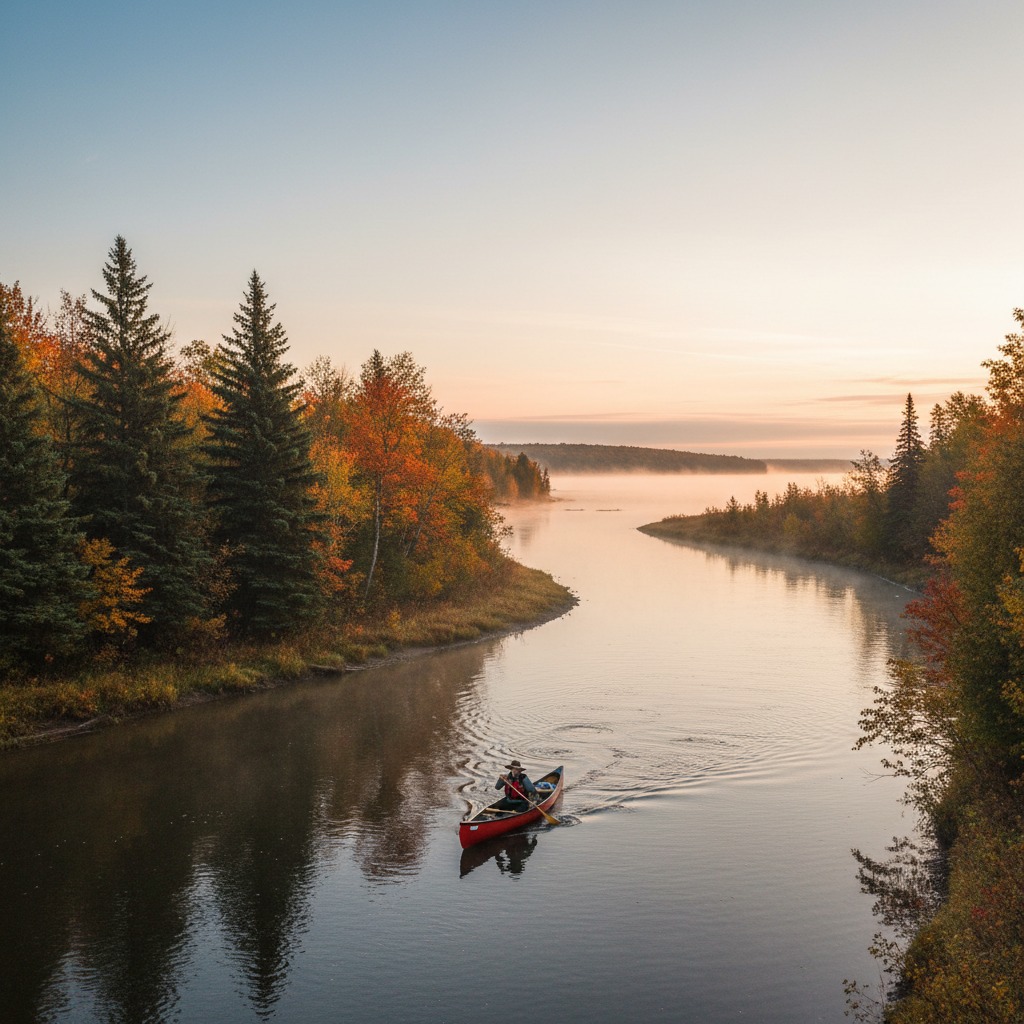
Lake paddling gets all the attention in Ontario, but river paddling is where many of the best beginner experiences are found. A gentle river carries you downstream, so you spend less energy fighting wind and waves and more time enjoying the scenery. The current does most of the work, the shoreline changes constantly as you travel, and the sense of going somewhere rather than paddling in circles adds a dimension of adventure that flatwater paddling cannot match.
Ontario has hundreds of rivers suitable for beginner canoeists, ranging from lazy creeks that barely move to broad, gentle waterways with enough current to keep things interesting without creating any real risk. The key for beginners is choosing a route that matches your skill level: minimal rapids, easy access points, and a reasonable distance that can be completed comfortably within the time available.
The Grand River: Paris to Brantford
The Grand River is one of Ontario's great canoeing rivers, and the section from Paris to Brantford is ideal for beginners. The river here is wide and gentle, with a steady current that moves you along at a pleasant pace without requiring constant paddling. The scenery transitions from rural farmland to forested river valley, with limestone cliffs, gravel bars, and overhanging trees creating a constantly changing backdrop.
The distance from Paris to Brantford is approximately 25 kilometres, which takes about five to six hours of relaxed paddling. Several outfitters in the Paris area offer canoe rentals and shuttle services, making logistics simple. The route has no significant rapids, just occasional riffles that add a gentle bounce to the ride. Bald eagles nest along this stretch, and sightings are common in recent years.
The Otonabee River: Lakefield to Peterborough
The Otonabee River flows south from the Kawartha Lakes through Lakefield and into Peterborough, and the section between these two communities offers gentle, scenic paddling through the heart of the Kawarthas. The river is slow and wide, with marshy edges that are excellent for birding and occasional rocky outcrops that provide interest. The Trent University campus along the river is a highlight, with beautiful grounds visible from the water.
The paddle from Lakefield to Peterborough covers about 15 kilometres and takes three to four hours. The river is suitable for families with children, and the current is mild enough that paddling upstream for short distances is possible if you want to explore a particularly interesting stretch. Take out at one of several access points in the Peterborough area, including the public launch near the Peterborough Lift Lock.
The Bonnechere River
The Bonnechere River in the Ottawa Valley is a hidden gem for beginner canoeists. The section from Round Lake through Golden Lake and downstream toward Renfrew offers calm, scenic paddling through a mix of farmland, forest, and small communities. The river is shallow in many places, which means capsizing is more of an inconvenience than a danger, and the water temperature in summer is warm enough that an unexpected swim is not unpleasant.
The Bonnechere River Provincial Park provides a convenient starting point, with camping available for those who want to combine a paddle trip with an overnight stay. The park stretch of the river passes through scenic forest with good birding opportunities. Downstream of the park, the river widens and slows, making for easy paddling with minimal current.
The Magnetawan River: Burk's Falls Area
The Magnetawan River near Burk's Falls in Muskoka offers beginner-friendly river paddling with a distinctly northern Ontario character. The river here flows through Canadian Shield terrain, with rocky shorelines, pine forests, and clear water that feels wilder than southern Ontario rivers despite being accessible from Highway 11. The section downstream of Burk's Falls is calm and scenic, with occasional easy rapids that can be walked around if you prefer.
Tips for Beginner River Paddlers
River paddling requires a few skills that flatwater paddling does not. Reading the current, understanding how to ferry across a river, and knowing how to approach and run easy rapids are all useful abilities. A basic canoe course that covers river techniques will give you the confidence to enjoy river paddling safely. Many outfitters and paddling clubs in Ontario offer introductory courses that cover these skills.
Always wear your life jacket on a river. Even gentle rivers have surprises, including submerged rocks, sweepers consisting of fallen trees in the current, and occasional deeper sections where the current picks up. A properly fitted PFD is your most important piece of safety equipment and should be worn from the moment you leave shore until the moment you return.
Shuttle logistics are the biggest practical challenge of river paddling, since you end up downstream from where you started. Many outfitters provide shuttle services, which is the easiest solution. If you are self-shuttling, leave one vehicle at the takeout and drive to the put-in with your canoe. Planning the logistics in advance avoids the frustrating experience of reaching the end of your paddle with no way to get back to your car.
Start with shorter routes and work your way up. A two to three hour paddle is plenty for a first river trip, and it leaves time and energy for the inevitable learning that comes with a new experience. The rivers will still be there when you are ready for longer adventures.
By Dale Burrows, Recreation and Outdoors Writer