Conservation Restrictions and What
They Mean for Property Owners
The rules that protect natural features along the waterfront can feel like burdens, but they serve purposes that benefit everyone, including property owners
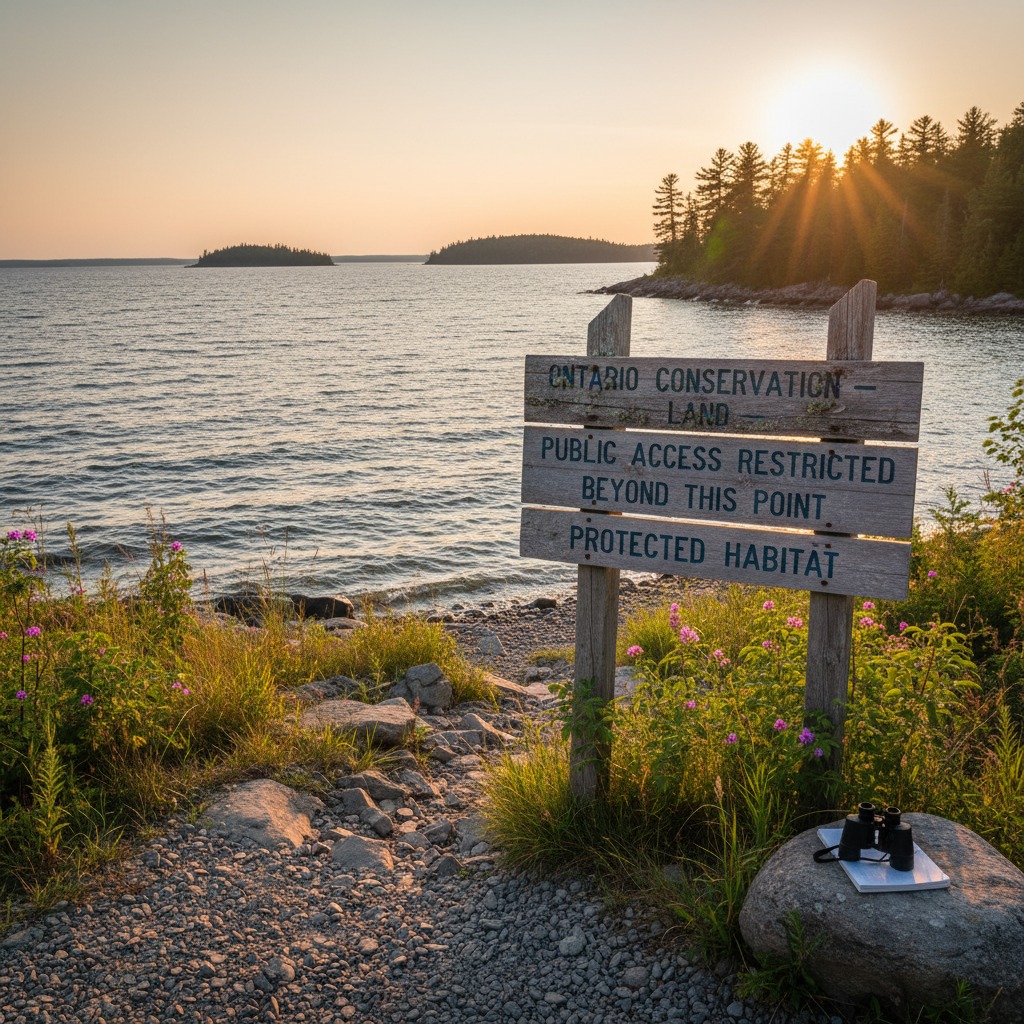
You found the perfect waterfront lot. The view is stunning. The price is right. The real estate listing mentions a conservation easement, or the property backs onto a provincially significant wetland, or the lot sits within a regulated area identified by the local conservation authority. These details, often buried in the fine print, can dramatically affect what you can do with the property you are about to buy. Understanding conservation restrictions before you close the deal is essential for any prospective waterfront property owner in Ontario.
Conservation restrictions come in several forms, each with different legal implications and different degrees of limitation on property use. Some are absolute prohibitions on development. Others are conditions that must be met before development can proceed. Still others are guidelines that influence but do not strictly control what happens on the land. The common thread is that they all exist to protect natural features, and the natural features they protect are often the same ones that make the property attractive and valuable in the first place.
Types of Conservation Restrictions
The most common conservation restrictions affecting waterfront property in Ontario include conservation authority regulations, provincial policy designations, conservation easements, and federal protections under the Fisheries Act. Each operates under a different legal framework and imposes different requirements.
Conservation authority regulations apply to lands within a specified distance of watercourses, shorelines, wetlands, and other hazard features. Within the regulated area, property owners must obtain a permit from the conservation authority before undertaking most development activities. The permit process involves a review of the proposed activity against the authority's policies regarding natural hazards and, in some cases, natural heritage features.
The Provincial Policy Statement designates certain natural features as requiring protection from development. Provincially significant wetlands, for example, cannot be developed, period. Development adjacent to significant wetlands must demonstrate that it will not have a negative impact on the wetland's ecological function. Significant habitat of endangered and threatened species is similarly protected. These designations are implemented through municipal official plans and zoning bylaws.
Conservation easements are voluntary legal agreements between a landowner and a conservation body, such as a land trust, that restrict future use of the property to protect its natural values. Once registered on title, a conservation easement is binding on all future owners of the property. Easements can restrict clearing, building, or other activities that would harm the natural features the easement is designed to protect. Property owners who grant conservation easements may be eligible for tax benefits.
The Impact on Property Use
The practical impact of conservation restrictions varies widely depending on the type and extent of the restriction and the specific characteristics of the property. In some cases, the restriction affects only a portion of the lot, such as a wetland setback area along the shoreline, leaving the remainder available for development. In other cases, the restriction may effectively prevent any significant development on the property.
Properties within floodplains face some of the most significant limitations. Development within the regulatory floodplain is generally prohibited or severely restricted, as it increases flood risk for both the property and neighbouring lands. Properties where the entire lot falls within the floodplain may be limited to existing uses, with no opportunity for new construction or expansion.
Setback requirements from watercourses and wetlands can limit where buildings, septic systems, and other structures can be placed on a lot. A typical setback of 30 metres from a watercourse, combined with a 15-metre setback from the road, can leave a surprisingly small building envelope on a narrow waterfront lot. Property owners who purchase lots without understanding these setbacks can find themselves unable to build what they planned.
The Value Proposition
It is tempting to view conservation restrictions purely as limitations on property rights. But there is another way to look at them. The natural features that conservation restrictions protect, the wetlands, the wooded shorelines, the clean water, the wildlife, are the same features that make waterfront property desirable and valuable. Remove those features, and the property loses much of what made it worth buying.
Research has consistently found that properties adjacent to protected natural areas, including conservation lands, wetlands, and waterfront parks, command higher prices than comparable properties without those amenities. The view of an intact wetland from your deck is worth more than the view of a cleared and developed lot. The water quality maintained by a healthy riparian buffer increases the value of every property on the lake. Conservation restrictions, by preserving these features, help sustain the property values of the entire waterfront community.
Due Diligence for Buyers
Prospective waterfront property buyers should investigate conservation restrictions thoroughly before making an offer. This means contacting the local conservation authority to determine whether the property is within a regulated area and what permits would be required for planned activities. It means reviewing the municipal zoning bylaw and official plan to understand what designations apply to the property. It means obtaining a title search that reveals any registered conservation easements. And it means consulting with a lawyer who understands waterfront property issues in Ontario.
The time and money spent on this due diligence is a fraction of the cost of discovering after purchase that your building plans are prohibited by a restriction you did not know about. Real estate agents are not always knowledgeable about conservation restrictions, and the information in property listings may be incomplete. Taking responsibility for your own investigation is the only way to avoid expensive surprises.
Conservation restrictions are part of the waterfront property landscape in Ontario. They are not going away, and in many cases they are becoming more stringent as the environmental pressures on shorelines and waterfronts intensify. Understanding them, working within them, and recognizing the value they protect is essential for anyone who wants to own and enjoy waterfront property in this province.
By James Whitfield, Planning and Development Reporter