Environmental Assessments and
Waterfront Projects
The review process that shapes what gets built near the water, and why it often frustrates both developers and residents
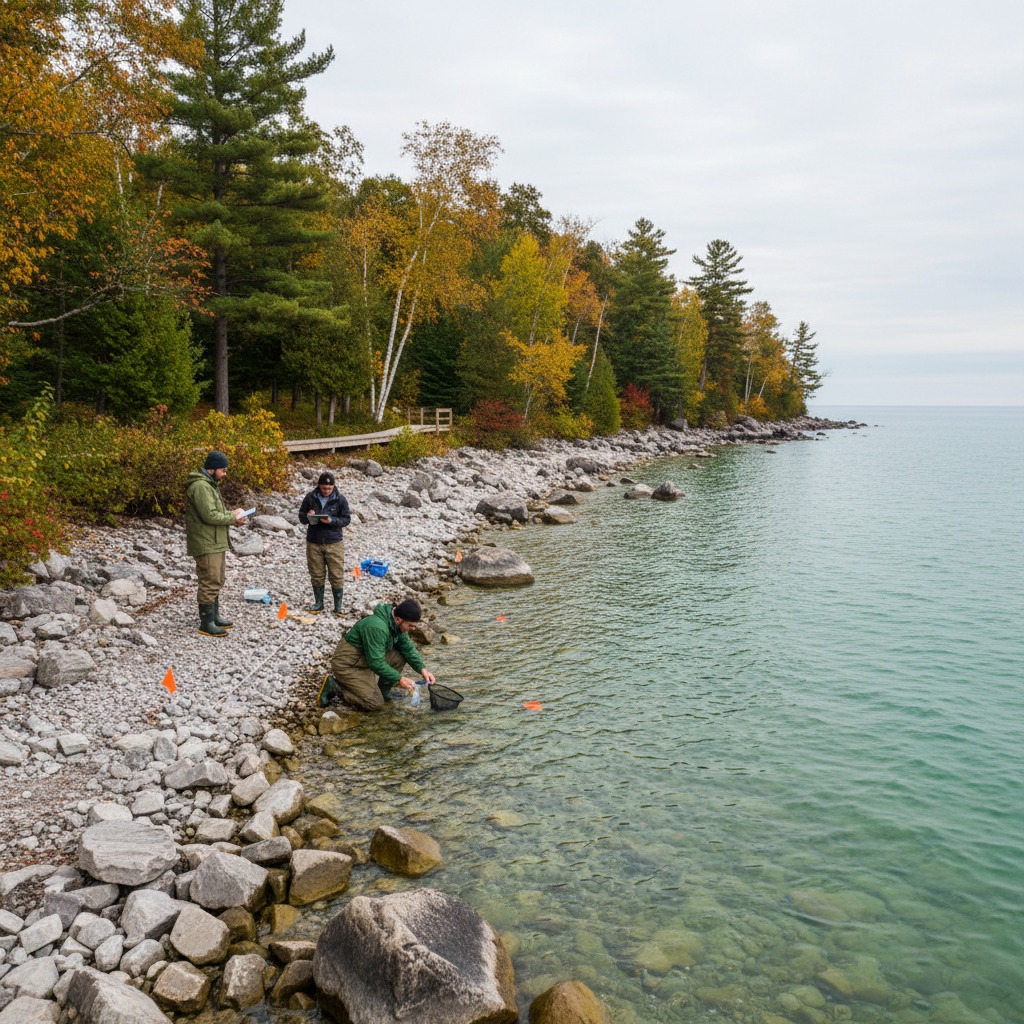
Before a municipality can extend a sewer line to a waterfront neighbourhood, before a developer can break ground on a marina expansion, before a conservation authority can build a new flood control structure, there is often a requirement that hangs over the project like a fog: the environmental assessment. For proponents, it is a costly and time-consuming hurdle. For residents, it is supposed to be a safeguard. For everyone involved, it is a process that few people fully understand.
Environmental assessment in Ontario operates under multiple legislative frameworks depending on the nature of the project and the level of government involved. Provincial projects and municipal infrastructure generally fall under the Ontario Environmental Assessment Act. Federal projects or those that trigger federal regulatory thresholds are subject to the federal Impact Assessment Act. Private sector projects may face environmental review requirements through the planning approval process, conservation authority regulations, or conditions imposed under the Fisheries Act.
The Provincial Process
The Ontario Environmental Assessment Act applies primarily to public sector undertakings, including municipal infrastructure projects such as roads, water and wastewater systems, and waste management facilities. The Act requires proponents to evaluate the potential environmental effects of a proposed project, consider alternatives, develop mitigation measures, and consult with the public and affected parties before proceeding.
For most municipal infrastructure projects, the process follows a streamlined class environmental assessment framework rather than the full individual environmental assessment process. Class assessments categorize projects by type and scale and prescribe the level of study required. Smaller projects with predictable impacts may require only a screening-level review, while larger or more complex projects require a more comprehensive study with extensive public consultation.
The public has the opportunity to participate in the environmental assessment process through comment periods, public information centres, and in some cases formal hearings. If members of the public or other stakeholders believe that the assessment has not adequately addressed their concerns, they can request that the Minister of the Environment escalate the project to a higher level of review. This bump-up request power gives communities a tool to push back on projects they believe have not been adequately evaluated.
What Gets Assessed
The scope of an environmental assessment for a waterfront project typically includes effects on the natural environment, including water quality, fish habitat, wildlife, vegetation, and natural heritage features. It includes effects on the social and economic environment, including impacts on existing land uses, traffic, noise, visual character, and community well-being. It includes effects on the cultural environment, including archaeological sites, built heritage, and cultural landscapes. And it includes effects on the technical and economic feasibility of the project, including its costs, constructability, and long-term sustainability.
For waterfront projects specifically, the assessment often pays close attention to effects on water resources, including changes in drainage patterns, stormwater quantity and quality, floodplain impacts, and effects on groundwater. Projects that involve work in or near water typically require an assessment of impacts on fish habitat under the Fisheries Act, which may be integrated into the broader environmental assessment or conducted as a parallel process.
The Challenges
The environmental assessment process is intended to ensure that projects are planned thoughtfully and that their impacts are understood and managed. In practice, the process has several weaknesses that limit its effectiveness, particularly for waterfront projects where the environmental stakes are high and the community interest is intense.
Cumulative effects are poorly addressed. An environmental assessment for a single waterfront project evaluates the impacts of that project in isolation or, at best, in the context of other known projects in the area. It does not account for the cumulative impact of decades of incremental development along a shoreline, each project of which may have passed its own environmental review. The result is that each individual project appears acceptable while the collective impact on the waterfront environment becomes unacceptable.
The process is proponent-driven. The proponent, usually the municipality or developer, hires the consultants who conduct the assessment, sets the study boundaries, selects the alternatives to be evaluated, and controls the project timeline. While regulatory agencies and the public can comment on the assessment, the proponent retains significant influence over the process and its conclusions. This structural bias can undermine public confidence in the objectivity of the assessment.
Public participation, while provided for in the process, is often poorly resourced and poorly timed. By the time a draft assessment is presented for public comment, many decisions have already been made and the opportunity for meaningful influence on the project design is limited. Community members who want to participate effectively often need technical expertise to evaluate the assessment documents, which can run to hundreds of pages of specialized content.
Making the Process Work
Despite its limitations, the environmental assessment process remains the most structured tool available for evaluating the impacts of waterfront projects in Ontario. Communities can make the most of it by engaging early, before the assessment terms of reference are set, to influence what gets studied and how. Forming coalitions with other stakeholders, including environmental groups, Indigenous communities, and neighbouring municipalities, can amplify community voice. Hiring independent technical reviewers to evaluate the proponent's assessment can level the playing field.
For proponents, taking the environmental assessment process seriously rather than treating it as a check-the-box exercise leads to better projects. Genuine engagement with community concerns, rigorous evaluation of alternatives, and meaningful mitigation commitments build trust and reduce the risk of delays, appeals, and legal challenges. The upfront investment in a thorough assessment saves money and time in the long run.
The environmental assessment process is not perfect. But in a province where waterfront development pressure continues to intensify, it is an essential mechanism for ensuring that the projects we build near the water are ones we can live with.
By James Whitfield, Planning and Development Reporter