Flood Risk and Insurance: What Waterfront Homeowners Need to Know
The insurance landscape for waterfront homes is changing, and many owners are not prepared for what it means
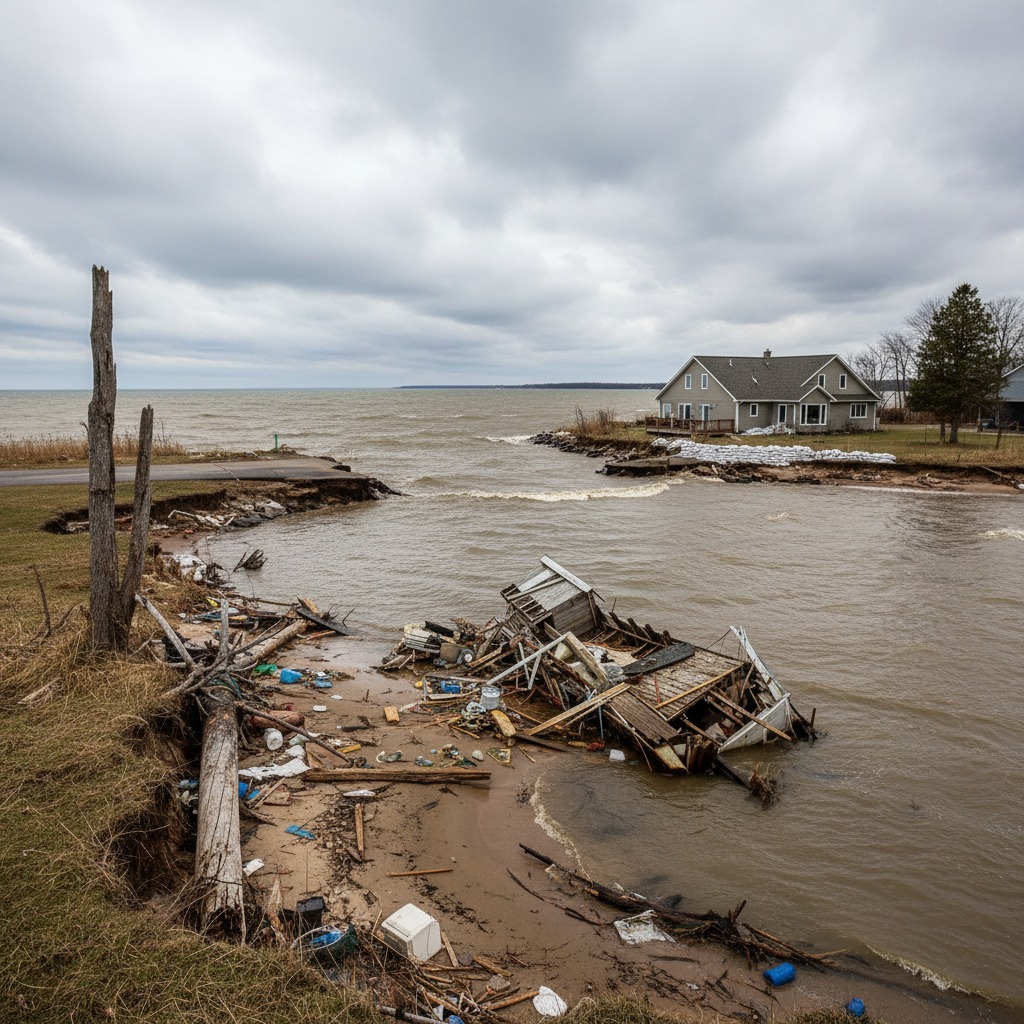
When the water came through the basement walls of a Bracebridge home during the spring floods of 2019, the owners assumed their homeowner insurance would cover the damage. They were wrong. Their policy excluded overland flooding, which is water entering the building from the surface rather than from a backed-up drain. The cleanup and restoration cost them over $40,000 out of pocket, and the experience left them shaken, financially strained, and deeply sceptical of an insurance industry that they felt had failed to communicate what their policy actually covered.
Their experience is common across Ontario. Flood damage is the most expensive natural disaster risk in Canada, and waterfront homeowners face the highest exposure. Yet flood insurance in Ontario remains a patchwork of coverage options, exclusions, and limitations that many homeowners do not fully understand until they file a claim. The landscape is evolving, with more insurers offering overland flood coverage than in the past, but significant gaps remain, particularly for properties in high-risk flood zones.
Understanding the Coverage Gap
Traditional homeowner insurance policies in Ontario cover water damage from specific causes, including burst pipes, ice damming, and sewer backup. They have historically excluded damage from overland flooding, which means water entering the building from outside due to rising rivers, lake levels, spring melt, or heavy rainfall. This exclusion left homeowners in flood-prone areas, including many waterfront properties, without coverage for the type of water damage they are most likely to experience.
Since 2015, several major insurers in Ontario have begun offering overland flood coverage as an optional add-on to homeowner policies. This is a significant improvement, but the coverage comes with important limitations. Premiums for the flood endorsement vary widely, from a few hundred dollars to several thousand dollars annually, depending on the insurer's assessment of the property's flood risk. Properties in the highest risk zones may be offered coverage at premiums that are prohibitively expensive, or they may be declined coverage entirely.
Deductibles for flood claims are often higher than for other types of water damage, sometimes $5,000 to $10,000 or more. Coverage limits may be lower than the full replacement value of the home. And the definitions of what constitutes a covered flood event vary between insurers, creating uncertainty about what will and will not be paid.
Assessing Your Risk
Every waterfront property owner should understand their flood risk, regardless of whether they have flood insurance. This means knowing the property's relationship to the regulatory floodplain as mapped by the local conservation authority, understanding the historical flood levels for the waterbody the property is on, and being aware of the factors that could change flood risk in the future, including climate change, upstream development, and changes to water level regulation.
Properties within the regulatory floodplain face the highest risk and the greatest insurance challenges. These properties are the most likely to experience flooding and the least likely to find affordable flood coverage. Properties outside the regulatory floodplain but near water may still be at risk from extreme events that exceed the mapped flood level, and their owners may be surprised to learn that their "safe" location is not as safe as the map suggests.
Government Disaster Assistance
When major flooding occurs, the Ontario government may activate the Disaster Recovery Assistance for Ontarians program, which provides financial assistance to eligible households and small businesses for essential property damage and emergency expenses. However, the program is not a substitute for insurance. It covers only essential items and property, not full replacement value. The application process can take months. And there is no guarantee that the program will be activated for any particular flood event.
The federal government has signalled its intention to develop a national flood insurance program that would provide coverage for high-risk properties that the private market cannot or will not insure. The program is still in the development stage, and the details of its design, including coverage levels, premiums, and eligibility criteria, remain to be determined. Until it is implemented, homeowners in high-risk flood zones continue to face a coverage gap that leaves them financially vulnerable.
Protecting Yourself
Review your insurance policy carefully and understand exactly what water damage scenarios are covered. Ask your insurer specifically about overland flood coverage and compare the options available from different insurers. If you are in a high-risk area and cannot obtain affordable flood coverage, explore what mitigation measures, such as waterproofing, backwater valves, sump pumps, and elevation of mechanical systems, might reduce your risk and potentially improve your insurability.
Do not assume that because you have not been flooded before, you will not be flooded in the future. Flood risk is changing due to climate change, land use changes, and aging infrastructure. The past is not a reliable predictor of the future when it comes to flooding in Ontario. Prepare as if the water is coming, because for many waterfront properties, it is only a matter of time.
By Sarah Oland, Waterfront Living Columnist