Land Use Fights in Small
Waterfront Towns
When everyone knows everyone, planning disputes become personal, and the stakes feel higher than the zoning map suggests
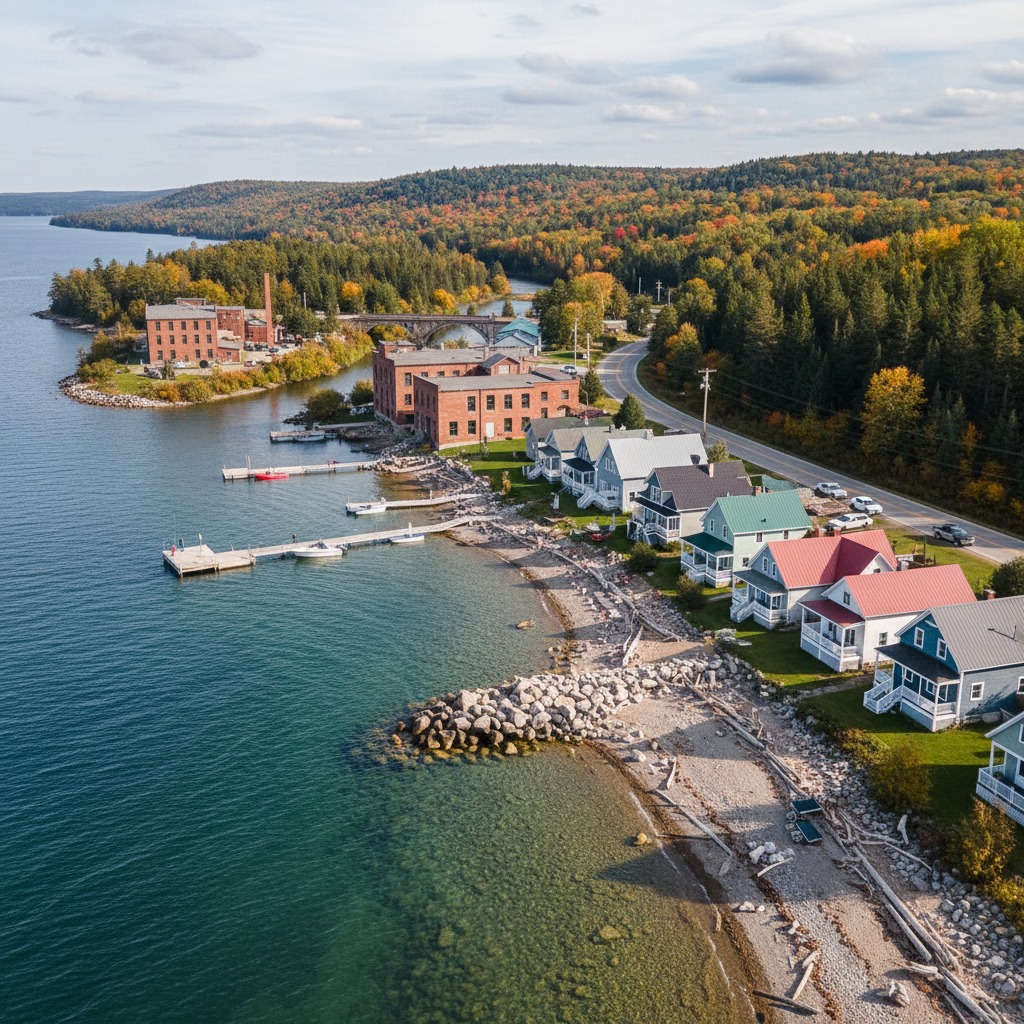
In a small waterfront town, a land use dispute is never just about land use. It is about neighbours. It is about history. It is about the people who have lived in the community for decades and the newcomers who arrived with different ideas about what the place should be. It is about the volunteer councillor who has to vote on a proposal from a friend, a relative, or a business partner. And it is about a waterfront that everyone claims to love but nobody agrees on how to manage.
Small-town land use fights in Ontario waterfront communities have their own texture and intensity that differ from the comparatively anonymous planning processes in larger centres. The proponents and opponents are people who see each other at the grocery store, whose children play on the same hockey team, who sit in the same pew at church. The decisions are made by part-time councillors who may have limited planning expertise and who face enormous social pressure from all sides.
Common Flashpoints
Certain types of proposals reliably trigger conflict in small waterfront towns. Short-term rental conversions, where a residential property is converted to a vacation rental serving a rotating cast of strangers, generate complaints about noise, parking, and the erosion of permanent community. Severance applications, where a property owner seeks to divide a waterfront lot to create an additional building lot, raise concerns about density, views, and the incremental loss of the spacious character that attracted people to the community.
Commercial proposals in residential areas provoke fierce opposition, particularly when they involve increased traffic, signage, or activity levels that change the feel of a neighbourhood. A proposal to operate a bed and breakfast, open a small retail shop, or establish a home-based tourism business can consume hours of council time and generate stacks of written objections from neighbours who see commercial activity as incompatible with the residential waterfront they chose to live in.
Height and density are perpetual battlegrounds. A two-storey house that blocks a neighbour's water view can become the most contentious planning matter of the year. A proposal to build a multi-unit residential building in a neighbourhood of single-family homes faces opposition that goes beyond technical planning arguments to touch on fundamental questions about what the community should look like and feel like.
The Small-Town Dynamic
Several factors make land use fights in small towns different from those in larger centres. The scale of the community means that everyone involved, the applicant, the objectors, the councillors, the planning staff, are known to each other. This familiarity can facilitate productive dialogue, but it can also create conflicts of interest, grudge-based opposition, and political dynamics that have nothing to do with the merits of the application.
Many small municipalities have limited professional planning staff, sometimes as few as one planner or none at all, relying instead on contract planners who may not have deep knowledge of the community. This can result in planning recommendations that are technically correct but tone-deaf to local sensitivities. It can also leave councillors without the professional guidance they need to make informed decisions on complex applications.
The Ontario Land Tribunal provides an appeal mechanism for planning decisions, but the cost and complexity of tribunal proceedings can be prohibitive for both small municipalities and individual residents. A tribunal hearing can cost tens of thousands of dollars in legal and expert fees, and the process takes months to years. Some applicants use the threat of a tribunal appeal to pressure small councils into approving proposals they might otherwise reject, knowing that the municipality cannot afford to defend its decision.
Seasonal Tensions
Waterfront communities with significant seasonal populations face an additional layer of complexity. Seasonal residents who own cottages or vacation homes may have different priorities than permanent residents. They may favour commercial and recreational development that enhances their weekend and summer experience, while permanent residents prioritize the services, infrastructure, and quiet character that support year-round living.
The voting dynamics of seasonal versus permanent residents can skew council composition and planning decisions in ways that do not reflect the needs of the full-time community. In some Ontario waterfront municipalities, seasonal property owners represent a large share of the assessment base but a smaller share of the electorate, creating a disconnect between who pays for services and who controls planning decisions.
Building Better Processes
Small waterfront towns can improve their land use decision-making by investing in clear, comprehensive planning policies that reduce the need for case-by-case negotiations. An official plan that clearly articulates the community's vision for its waterfront, including acceptable uses, building scale, public access provisions, and environmental protections, provides a framework that helps councillors make consistent decisions and gives applicants and residents clear expectations.
Pre-application consultation, where applicants meet with planning staff and neighbours before formally submitting a proposal, can identify and resolve issues early, reducing the adversarial tone that often dominates the public meeting stage. Community planning workshops that involve residents in developing waterfront policies build ownership of the planning framework and reduce the sense that decisions are being made by outsiders or behind closed doors.
The land use fights will never disappear entirely from small waterfront towns. There are real trade-offs between growth and preservation, between individual property rights and community character, between economic opportunity and environmental protection. But with good processes, honest communication, and a shared commitment to the waterfront that everyone claims to love, these fights can be productive rather than destructive.
By James Whitfield, Planning and Development Reporter