Marina Expansions and the
Communities Pushing Back
When a marina wants to grow, the ripple effects extend far beyond the docks
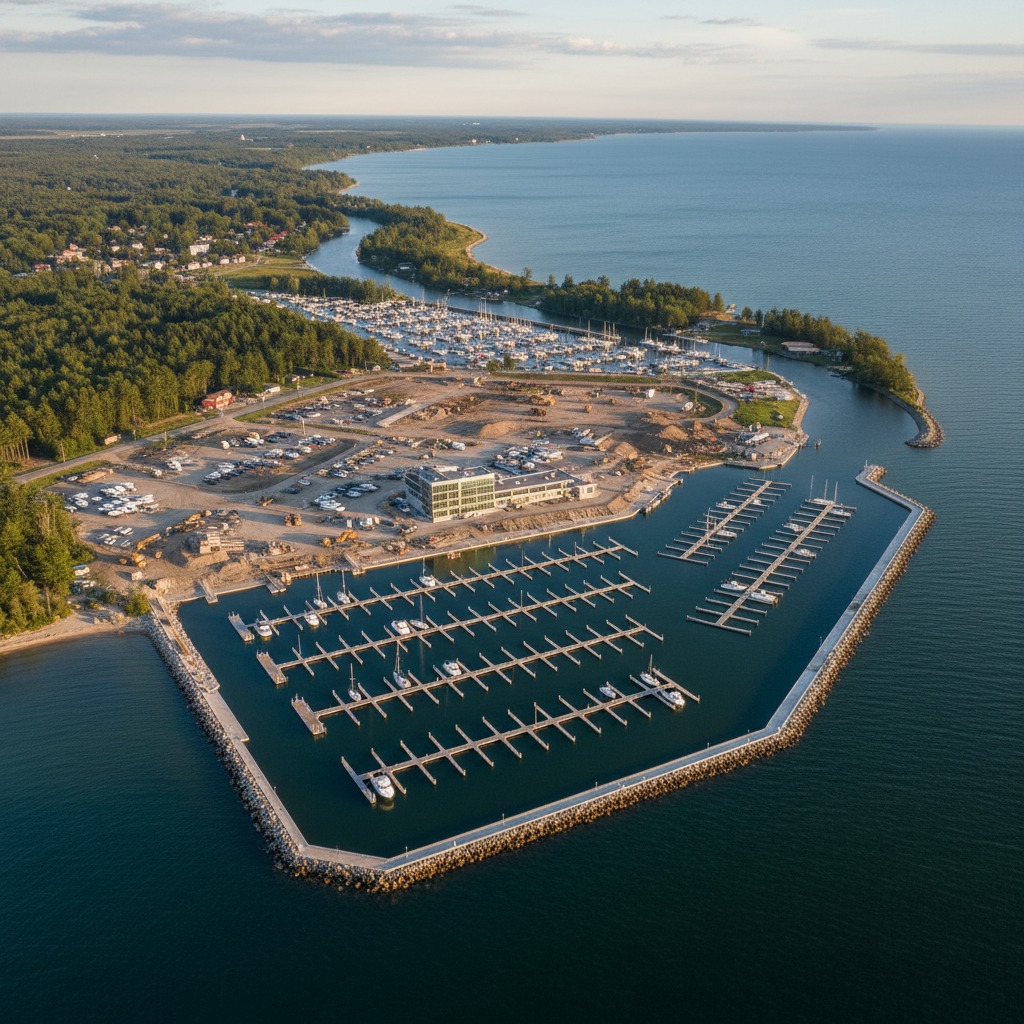
Across Ontario, marina operators are looking to expand. Rising demand for boat slips, fuelled by a post-pandemic surge in recreational boating, has created waiting lists at many facilities. The business case for adding docks, expanding parking, and offering more services seems straightforward. But in community after community, marina expansion proposals are running into resistance from residents who worry about noise, traffic, environmental damage, and the transformation of their waterfront.
The conflict is playing out in places like Midland, where a proposed marina expansion on Georgian Bay drew hundreds of residents to a public meeting. In Port Dover, where the harbour has been a flashpoint between commercial fishing interests and recreational boaters for years. In communities along the Trent-Severn Waterway, where seasonal boating traffic already strains local infrastructure. The details vary, but the pattern is consistent: marina operators see growth as necessary and beneficial, while nearby residents see it as disruptive and damaging.
The Economic Argument
Marina operators and their supporters make a compelling economic case. Marinas generate direct revenue through slip fees, fuel sales, storage, and maintenance services. They also drive indirect spending in the surrounding community, as boaters patronize restaurants, shops, and accommodations. A study by the Ontario Marine Operators Association estimated that recreational boating contributes billions of dollars annually to the provincial economy, with marinas serving as the primary access points for that spending.
Expansion proposals often include promises of job creation, municipal tax revenue, and investment in waterfront infrastructure. In smaller communities where economic development opportunities are limited, these promises can be attractive to councils looking for ways to grow their tax base. Some marina expansions include public access improvements, such as upgraded boat launches, public docks, or waterfront promenades, that benefit the broader community.
The Environmental Concerns
Marina operations affect the aquatic environment in several ways, and expansion amplifies these impacts. Increased boat traffic generates more wave action along adjacent shorelines, accelerating erosion. Fuel spills and bilge water discharge introduce petroleum hydrocarbons into the water. Increased impervious surface area from expanded parking lots increases stormwater runoff. Dredging of approach channels and basins disturbs bottom sediments and can destroy fish habitat.
The federal Fisheries Act requires that marina expansion projects avoid or mitigate harm to fish habitat. Conservation authorities review proposals for their effects on natural hazards and environmental features. Despite these regulatory safeguards, residents often feel that the reviews are inadequate and that the cumulative impacts of marina operations are not fully accounted for in the approval process.
Noise is a major concern for nearby residents. Marine engines, particularly when boats are entering and leaving the harbour at early and late hours, generate noise that carries across water with remarkable clarity. Music from docked boats, the sound of power tools from maintenance operations, and the general activity of a busy marina can significantly affect the quality of life for adjacent property owners.
The Planning Process
Marina expansion proposals in Ontario must navigate a complex approvals process that typically involves the local municipality, the conservation authority, and potentially federal agencies. A zoning amendment or site plan approval is usually required from the municipality. The conservation authority reviews the proposal for impacts on natural hazards and environmental features. If the project affects fish habitat, the proponent may need authorization under the Fisheries Act.
Public consultation is a required component of the municipal approval process, and it is where community opposition most visibly surfaces. Open houses and public meetings on marina expansion proposals can be heated, with residents expressing concerns about everything from environmental damage to property value impacts to the character of their community. The quality of the public consultation process, and whether residents feel their concerns are genuinely heard, often determines whether the proposal proceeds smoothly or becomes a prolonged fight.
Some proposals end up before the Ontario Land Tribunal when appeals are filed. These proceedings can take months or years and cost both the proponent and the objectors significant legal fees. The outcomes are not always predictable, and the process itself can divide communities in ways that persist long after the decision is made.
Finding Middle Ground
Some marina expansion proposals have found ways to address community concerns and proceed with broad support. Key strategies include incorporating meaningful environmental mitigation such as naturalized shoreline treatment and stormwater management. Offering tangible community benefits such as public access, park space, or financial contributions to local infrastructure can build goodwill. Implementing operational controls on noise, hours of operation, and traffic management addresses quality-of-life concerns.
The communities that manage marina expansion most successfully are those that start with a clear waterfront plan that establishes the vision, the priorities, and the limits before any individual proposal arrives. When both the marina operator and the community understand the framework, the process is less adversarial and the outcomes are more likely to serve everyone involved.
By James Whitfield, Planning and Development Reporter