Do Naturalized Shorelines
Actually Work?
The promise of green shoreline protection is appealing, but the results depend on the site, the species, and the patience of the property owner
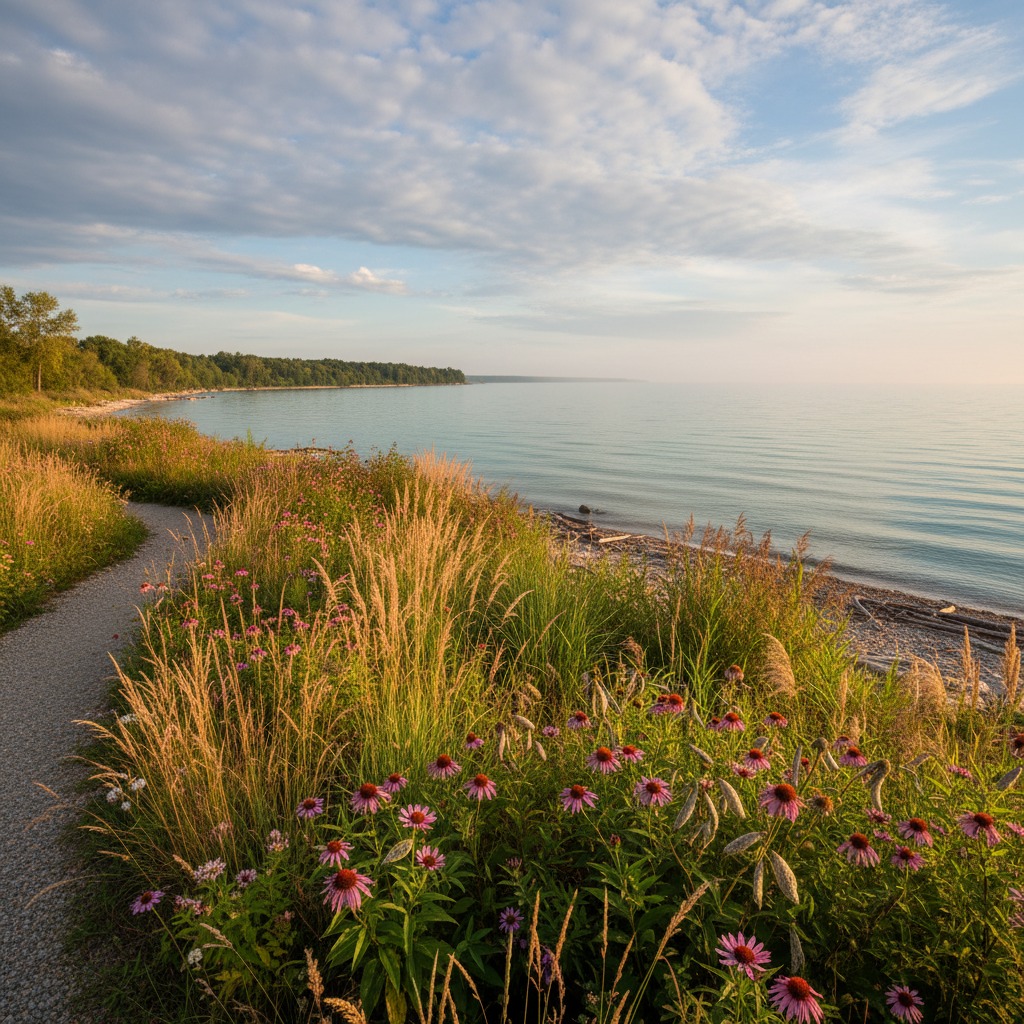
Visit any conservation authority office in Ontario and you will hear the pitch for naturalized shorelines. Replace your retaining wall with native plants. Let the willows and dogwoods grow back. Install a rock toe for wave protection and plant the slope with native grasses and wildflowers. The plants will stabilize the soil, filter runoff, provide habitat, and look better than a wall of armourstone. It sounds ideal. But does it actually work?
The answer, based on research and on-the-ground experience across Ontario, is yes, with important caveats. Naturalized shorelines can be highly effective at controlling erosion, improving water quality, and restoring habitat. But they are not a universal solution. They work best in specific conditions, they take time to establish, and they require more planning and understanding than most property owners expect.
What a Naturalized Shoreline Looks Like
A naturalized shoreline replaces hard engineered structures with a combination of grading, natural materials, and native vegetation designed to work with natural processes rather than against them. A typical installation might include a toe protection layer of rock or logs at the water's edge to absorb wave energy, a graded slope behind the toe that allows a gradual transition from water to land, and layers of native plantings including deep-rooted shrubs, grasses, and ground covers that bind the soil and create a living buffer.
The specific design depends on the site conditions. A high-energy shoreline on a large lake exposed to significant wave action requires a more robust rock toe and different species selection than a sheltered bay or a riverbank with gentle current. The slope angle, the soil type, the water level fluctuation range, and the light exposure all influence the design and the species that will thrive.
The Evidence
Research on naturalized shorelines in Ontario and across the Great Lakes region has consistently shown positive results when projects are properly designed and installed. Studies comparing naturalized shorelines with both hard-armoured and unprotected shorelines have found that naturalized approaches provide comparable or superior erosion control in low to moderate energy environments. They also deliver additional benefits that hard structures cannot, including water filtration, habitat creation, and aesthetic improvement.
The root systems of native shoreline plants are the key to their effectiveness. Shrubs like red-osier dogwood and willows develop dense, fibrous root networks that bind soil to a depth of a metre or more. Native grasses and sedges create a mat of roots in the upper soil layers that prevents surface erosion. Together, these root systems create a living anchor that strengthens over time as the plants mature, unlike hard structures that begin deteriorating from the moment they are installed.
Water quality monitoring at naturalized shoreline sites has shown measurable reductions in nutrient and sediment loading compared to adjacent developed shorelines. The vegetation buffer intercepts runoff, slows water flow, and allows sediment and dissolved nutrients to be absorbed before they reach the lake. This filtering function is particularly valuable in areas where nearshore water quality is affected by stormwater runoff from developed properties.
Where They Struggle
Naturalized shorelines have limitations. On high-energy shorelines exposed to large waves and strong currents, vegetation alone may not be sufficient to prevent erosion. These sites may require a more substantial rock toe or a hybrid approach that combines natural and engineered elements. Expecting plants to hold up against the kind of wave energy that regularly reaches exposed Great Lakes shorelines is unrealistic.
The establishment period is a critical vulnerability. Newly planted shoreline vegetation needs one to three growing seasons to develop the root systems that provide stabilization. During this period, the site is more susceptible to erosion than it will be once the plants are mature. Storm events, ice damage, or high water levels during the establishment period can set a project back significantly. This is why most naturalized shoreline projects include temporary erosion control measures such as coir logs, erosion control blankets, and staking to protect the site while the plants get established.
Invasive species pose a persistent threat to naturalized shorelines. Phragmites, in particular, can colonize newly planted areas and outcompete native species if not managed. Purple loosestrife, European buckthorn, and other invasive plants can also establish in shoreline plantings. Ongoing monitoring and management are necessary to keep invasive species from undermining the project.
Canada geese can be a problem at newly naturalized sites. Geese are attracted to the young green shoots of freshly planted grasses and sedges and can graze plantings down to the soil surface. Protective measures such as temporary fencing or plant cages may be needed during the first growing season.
The Property Owner Experience
For property owners accustomed to manicured lawns running down to a clean retaining wall, the transition to a naturalized shoreline requires an adjustment in expectations. A naturalized buffer is intentionally wild in appearance. It grows tall, it has seasonal variation, and it attracts insects and wildlife that may not have been present along the old wall. Some property owners embrace this. Others find it messy and struggle with the loss of the groomed look they are used to.
Maintenance is another consideration. While a naturalized shoreline requires less ongoing expense than a hard structure that needs periodic repair, it does need attention. Invasive species must be removed promptly. Dead or damaged plants need to be replaced. Mowing and trimming must be carefully managed to avoid damaging the buffer. During the establishment years, watering may be necessary during dry periods.
Despite these adjustments, property owners who have invested in naturalized shorelines in Ontario overwhelmingly report satisfaction with the results once the planting is established. Surveys conducted by conservation authorities and lake associations have found that the majority of owners who naturalized their shorelines would recommend the approach to their neighbours.
The Bottom Line
Naturalized shorelines work. They are not magic, and they are not appropriate for every site. They require thoughtful design, professional installation, patience during the establishment period, and ongoing management. But when done well, they deliver erosion control, water quality improvement, habitat enhancement, and long-term cost savings that hard structures cannot match.
The real question is not whether naturalized shorelines work, but whether enough property owners are willing to try them. Given the cumulative damage that decades of shoreline hardening have done to Ontario lakes and rivers, expanding the adoption of natural approaches is one of the most effective things we can do for our waterways.
By Maren Falk, Environment Editor