Why Protecting Spawning Habitat
Should Be a Local Priority
The gravel beds, creek mouths, and shallow shoals where fish reproduce are the foundation of healthy fisheries, and they are more vulnerable than most people realize
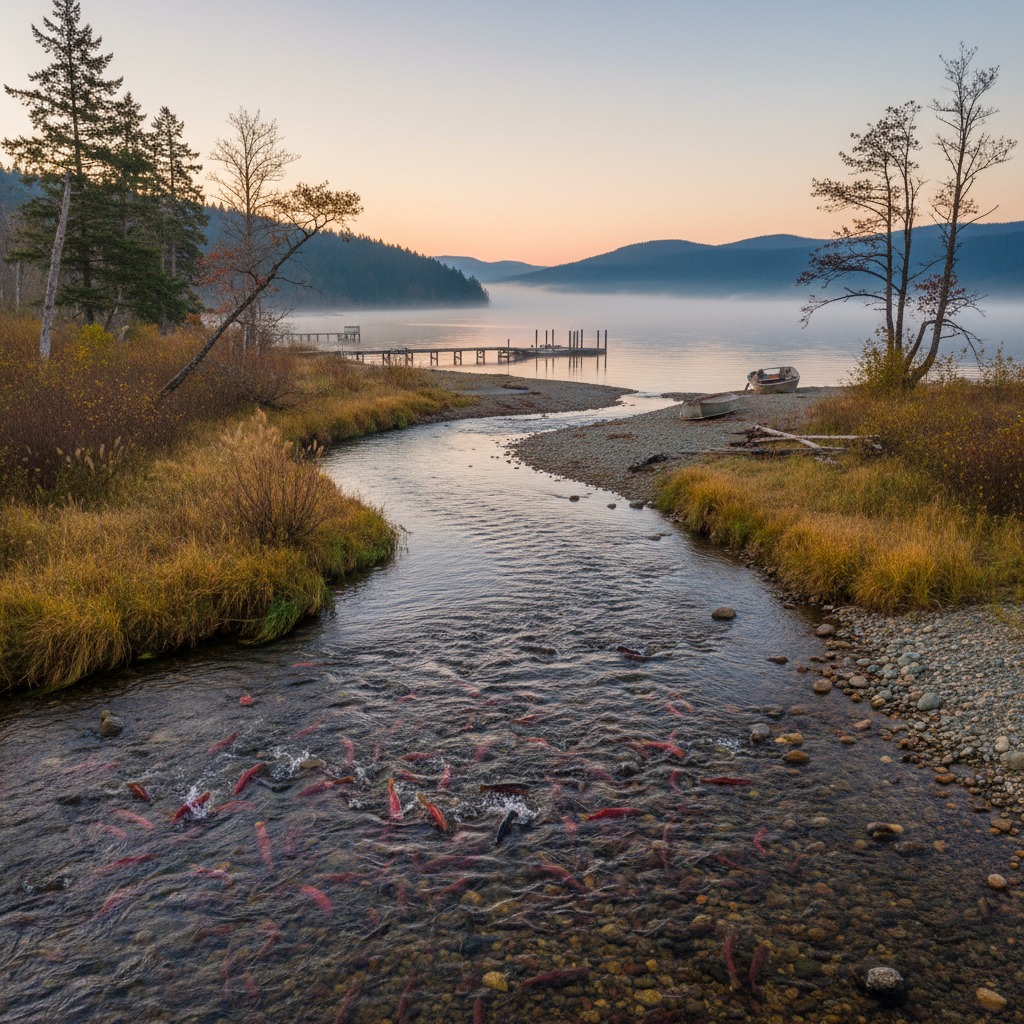
Every autumn, chinook salmon push up the tributaries of Lake Ontario, fighting their way over shallow riffles and through narrow channels to reach the gravel beds where they will spawn. Every spring, walleye gather on the rocky shoals of Lake Erie and Lake Huron, depositing eggs in the clean, well-oxygenated spaces between stones. These spawning events are the hinge on which entire fisheries turn. Without successful reproduction, fish populations decline regardless of how many regulations govern their harvest.
Spawning habitat is one of the most critical and most vulnerable components of aquatic ecosystems in Ontario. The specific conditions that fish need to reproduce successfully, clean substrate, appropriate water temperature, adequate flow, and protection from disturbance, are easily disrupted by human activity. Development, agriculture, stormwater runoff, and dam construction have degraded or destroyed spawning habitat across the province, contributing to the decline of native fish populations that once supported robust commercial and recreational fisheries.
What Spawning Habitat Looks Like
Different fish species have different spawning requirements, but several common elements define productive spawning habitat. Most species that spawn in streams and rivers need clean gravel or cobble substrate, free of fine sediment that can smother eggs and prevent oxygen from reaching developing embryos. Water flow through the substrate is essential, carrying oxygen in and waste products out. Water temperature must fall within a specific range that triggers spawning behaviour and supports embryonic development.
Lake-spawning species such as lake trout and lake whitefish require rocky shoals at specific depths where currents keep eggs clean and oxygenated through the incubation period. Warm-water species like bass and sunfish build nests in shallow, protected areas near shore, often selecting sites with specific substrate types and vegetation patterns. Pike and muskellunge spawn in flooded marshes and shallow wetlands, depending on the seasonal connection between the lake and adjacent lowlands.
The diversity of spawning requirements across species means that protecting spawning habitat requires protecting a diversity of aquatic environments, from cold headwater streams to warm, weedy bays, from deep rocky shoals to shallow marshes. A healthy fishery depends on all of these pieces working together.
Threats to Spawning Success
Sedimentation is the most pervasive threat to spawning habitat in Ontario. When fine sediment from eroding streambanks, construction sites, agricultural fields, and unpaved roads enters a waterway, it settles into the spaces between gravel and cobble that fish eggs occupy. Even a thin layer of sediment can significantly reduce egg survival by cutting off oxygen supply and trapping metabolic waste. Research has shown that sediment deposits of just a few millimetres can reduce the survival of trout and salmon eggs by 50 percent or more.
Stormwater runoff compounds the sedimentation problem by delivering pulses of sediment-laden water during rain events. The increased flow can also scour existing spawning beds, displacing eggs and altering the substrate. In urbanizing watersheds, the combination of increased runoff volume and sediment loading has degraded spawning habitat in streams that once supported healthy populations of brook trout, rainbow trout, and Atlantic salmon.
Dams and barriers block access to spawning habitat. Many fish species migrate upstream to spawn, and dams prevent them from reaching the gravel beds they have used for generations. Even low-head dams and road culverts can block fish passage if they create conditions that fish cannot navigate. Ontario has thousands of barriers on its waterways, and while some have fish ladders or bypass channels, many do not.
Water temperature changes also affect spawning success. Removal of riparian vegetation exposes streams to direct sunlight, raising water temperatures. Stormwater runoff from heated pavement adds warm water to cold streams. Climate change is gradually warming both air and water temperatures across the province. Species with narrow temperature requirements for spawning, including brook trout and lake trout, are particularly vulnerable to these changes.
Local Action That Works
Protecting spawning habitat does not require federal legislation or provincial programs, although both are important. Some of the most effective protection happens at the local level, through municipal planning decisions, conservation authority regulations, and the actions of individual property owners and community groups.
Municipal official plans and zoning bylaws can protect streams and shoreline areas that provide spawning habitat by establishing adequate setbacks, limiting development density in sensitive watersheds, and requiring stormwater management that mimics natural hydrology. Conservation authorities can identify and map spawning areas and incorporate them into their regulatory frameworks. These tools exist in Ontario's planning system; the challenge is using them consistently and effectively.
Riparian buffer programs that maintain or restore vegetation along streams provide immediate benefits for spawning habitat. Trees and shrubs shade the water, keeping temperatures within the range that cold-water species need. Root systems stabilize banks and reduce sedimentation. Leaf litter feeds the insect communities that in turn feed juvenile fish. A buffer as narrow as 15 metres can significantly improve conditions in adjacent spawning habitat.
Barrier removal and fish passage improvements are among the most impactful local actions for restoring spawning habitat access. Removing obsolete dams and replacing undersized culverts with properly designed stream crossings can reconnect kilometres of upstream habitat for spawning fish. Ontario has seen several successful dam removal projects in recent years, including removals on tributaries of Lake Huron and Lake Ontario that have restored access to spawning habitat for migratory fish.
Citizen science and volunteer monitoring play a valuable role in identifying and protecting spawning areas. Programs like Ontario Streams and various conservation authority monitoring initiatives train volunteers to identify spawning activity, assess habitat conditions, and report threats. This information helps direct limited management resources to the areas where they can do the most good.
The Investment Case
Recreational fishing in Ontario generates billions of dollars in economic activity annually. Commercial fisheries on the Great Lakes support livelihoods in communities across the province. Both depend on fish populations that can sustain themselves through successful reproduction. Every dollar invested in protecting and restoring spawning habitat pays returns in the form of healthier fisheries, reduced need for expensive stocking programs, and stronger recreational and commercial fishing economies.
The cost of protecting spawning habitat is modest compared to the cost of losing it. Prevention, through thoughtful land use planning and development practices, is far cheaper than restoration after the fact. Communities that prioritize the protection of their local spawning habitat are making an investment in their own economic and ecological future.
By Maren Falk, Environment Editor