Septic Systems Near the Water: Rules, Risks, and Realities
The underground system that keeps waterfront living legal is more complicated and costly than most buyers expect
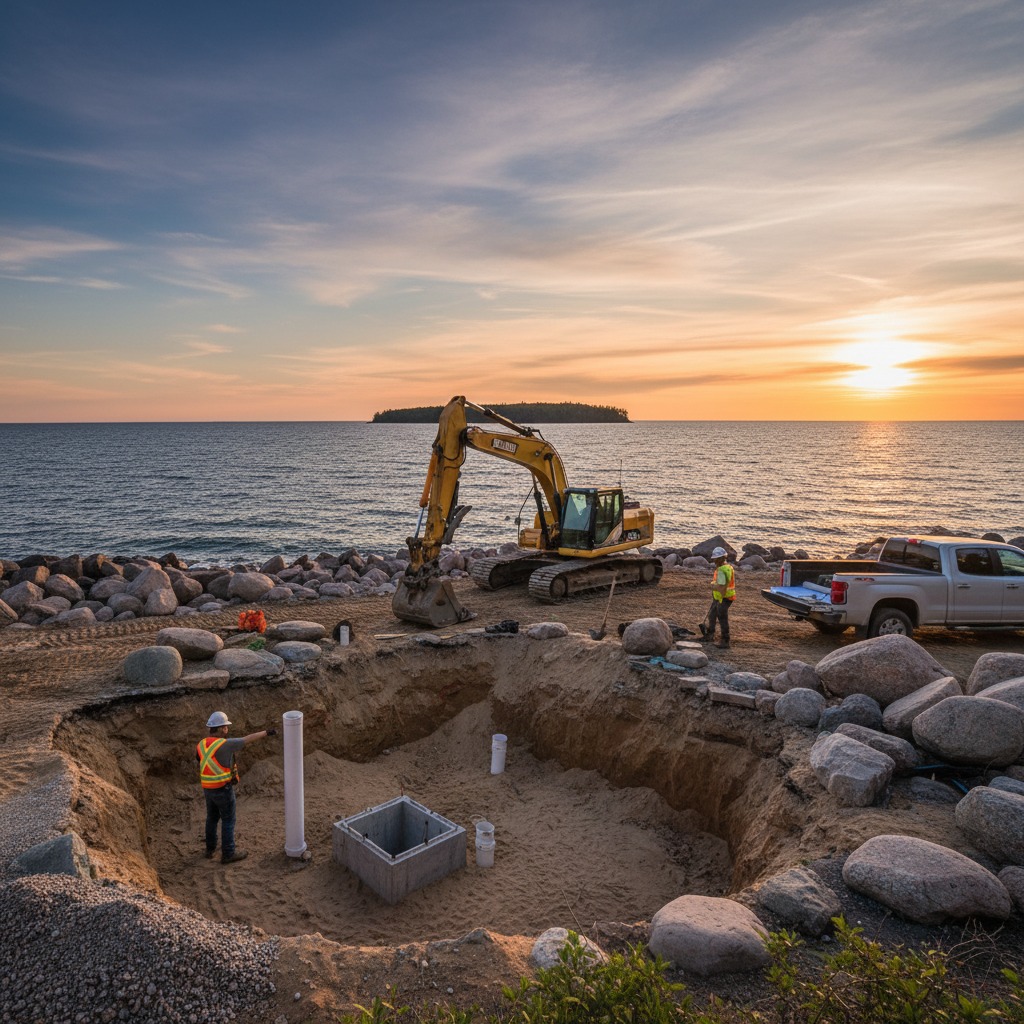
Every flush, every shower, every load of laundry in a waterfront home that is not connected to municipal sewer goes into a septic system buried in the yard. For most waterfront property owners in Ontario, the septic system is the single most important and most expensive piece of infrastructure on the property. It is also the one most people know the least about, until it fails.
A septic system near water operates under heightened scrutiny because the consequences of failure are immediate and serious. A leaking or malfunctioning septic system can contaminate the lake or river with bacteria, nutrients, and chemicals that affect water quality, public health, and the value of every property on the waterway. This is why Ontario has some of the strictest septic regulations in Canada, and why understanding your system is not optional for waterfront homeowners.
How Septic Systems Work
A conventional septic system consists of two main components: the septic tank and the leaching bed. Wastewater from the house flows into the septic tank, where solids settle to the bottom and lighter materials float to the top. Bacteria in the tank break down some of the organic material. The liquid effluent flows from the tank into the leaching bed, a network of perforated pipes buried in gravel-filled trenches, where it percolates through the soil and is further treated by soil bacteria before reaching the groundwater.
The soil treatment is the critical step. A properly functioning leaching bed removes the vast majority of bacteria, viruses, and nutrients from the effluent before it reaches the water table. But this treatment depends on having enough soil of the right type between the leaching bed and the groundwater or surface water. On waterfront properties, where the water table is often high and the distance to the shoreline is short, the margin for error is slim.
Regulations Near Water
Ontario Building Code Part 8 governs the installation and maintenance of on-site sewage systems, including septic systems. Properties near water are subject to specific requirements regarding the setback distance between the leaching bed and the high-water mark, the separation between the leaching bed and the water table, and the type of treatment system permitted. Conservation authorities may impose additional requirements beyond the Building Code, including larger setbacks and higher treatment standards.
For many older waterfront properties, the existing septic system does not meet current standards. Systems installed decades ago may have inadequate setbacks from the water, insufficient treatment capacity, or outdated tank designs. When these properties are sold, the municipality may require an inspection and potentially an upgrade to bring the system into compliance. The cost of upgrading an older septic system on a waterfront property can range from $15,000 for a basic replacement to $50,000 or more for an advanced treatment system on a challenging site.
Signs of Trouble
A failing septic system often provides warning signs before it becomes a full emergency. Slow drains in the house, sewage odour near the leaching bed, unusually green or lush grass over the leaching bed, wet or soggy ground near the system, and elevated bacteria levels in nearby well water or lake water can all indicate that the system is not functioning properly. Ignoring these signs leads to more severe failure and higher remediation costs.
Regular pumping of the septic tank, typically every three to five years for a year-round residence, is the most important maintenance task. Pumping removes the accumulated solids that the bacterial process cannot fully break down, preventing them from flowing into the leaching bed and clogging the soil. Skipping pumping is the most common cause of premature leaching bed failure, and replacing a clogged leaching bed is far more expensive than the cost of regular pumping.
Advanced Systems
On waterfront properties where conventional septic systems cannot achieve adequate treatment due to high water tables, poor soil conditions, or insufficient setback distance, advanced treatment systems may be required. These systems, which include aerobic treatment units, sand filter systems, and constructed wetland systems, provide enhanced treatment of the effluent before it reaches the leaching bed, reducing the burden on the soil and achieving higher removal rates for bacteria and nutrients.
Advanced systems cost more to install and require regular maintenance by certified professionals, but they allow development on properties where conventional systems would not meet regulatory requirements. For waterfront properties, the additional cost of an advanced system may be the difference between being able to build and being unable to use the property at all.
Your Responsibility
As a waterfront property owner, your septic system is your responsibility. You are responsible for its maintenance, its compliance with regulations, and the consequences if it fails. The investment in regular pumping, periodic inspection, and timely repair is modest compared to the cost of replacement and the potential liability of contaminating the waterway that you and your neighbours depend on. Know your system. Maintain your system. And respect the fact that the health of the water starts, quite literally, in your own backyard.
By Sarah Oland, Waterfront Living Columnist