Waterfront Camping in Ontario: Provincial Parks and Beyond
The best campsites in Ontario where you can fall asleep to the sound of water
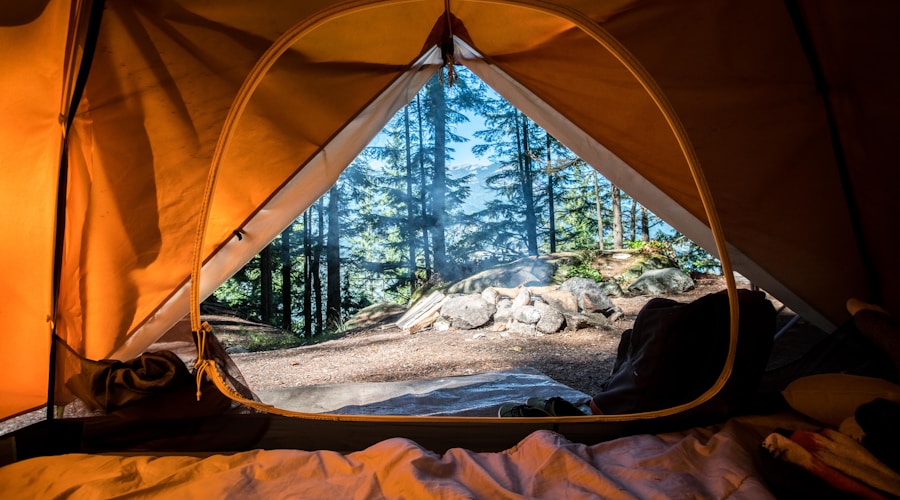
There is no campsite in Ontario quite like one on the water. The sound of waves or current lulling you to sleep. The morning mist lifting off the lake as you start the camp stove. The ability to fish, swim, or paddle without walking more than a few steps from your tent. Waterfront camping is a quintessential Ontario experience, and the province offers an extraordinary range of options, from developed provincial park campgrounds with electrical hookups and flush toilets to remote backcountry sites accessible only by canoe.
The demand for waterfront campsites far exceeds the supply, especially during July and August. The most popular provincial park waterfront sites are booked within minutes of the reservation window opening, creating an annual scramble that has become its own source of frustration and folklore. But for campers willing to look beyond the most famous parks, to consider shoulder seasons, and to embrace a wider definition of waterfront, the opportunities are still abundant.
Provincial Park Highlights
Killbear Provincial Park on Georgian Bay offers some of the most spectacular waterfront camping in the province. Sites along the park's rocky Georgian Bay shoreline put you within steps of clear, turquoise water and pink granite rocks that make this part of Ontario feel like another country. The park is popular for good reason, and reservations for waterfront sites should be made as early as possible.
Bon Echo Provincial Park in the Mazinaw Highlands features camping along the shore of Mazinaw Lake, with views of the towering rock face that is the park's defining feature. The cliff, which rises 100 metres from the lake surface, is adorned with Indigenous pictographs and is best seen from the water. Waterfront campsites here offer a unique combination of geological drama and peaceful lake setting.
Grundy Lake Provincial Park, north of Parry Sound, provides waterfront camping on several small Shield lakes within the park. The sites are well spaced, the water is clean and warm by mid-summer, and the setting among granite outcrops and mixed forest is classic Ontario. Grundy Lake is less well known than nearby Killbear, which means it is slightly easier to book, though waterfront sites still go quickly.
Beyond Provincial Parks
Conservation authority campgrounds across Ontario offer waterfront camping that is often more affordable and more available than provincial parks. These campgrounds tend to be smaller and less developed, which many campers consider an advantage. The Saugeen Valley Conservation Authority, the Grand River Conservation Authority, and the Rideau Valley Conservation Authority all operate campgrounds on waterways within their jurisdictions.
Crown land camping provides free waterfront access across vast areas of central and northern Ontario. Any Crown land parcel that is not subject to a land use permit or other restriction can be used for camping for up to 21 days at a single site. The Ontario Crown Land Atlas, available online, shows which lands are available. Crown land camping requires self-sufficiency, as there are no facilities, but for experienced campers who want solitude and direct waterfront access, it is unbeatable.
Private campgrounds along rivers and lakes offer another option, often with better availability than public parks and a range of amenities from basic to resort-level. The trade-off is cost, as private campground rates can be significantly higher than provincial park fees, and the quality varies widely. Reading reviews and asking for recommendations from experienced campers can help identify the private campgrounds that deliver good value.
Making It Work
Securing a waterfront campsite at a popular park requires planning and persistence. Ontario Parks opens reservations five months in advance, and the most desirable sites are claimed within hours. Set a reminder, have your preferred dates and sites identified in advance, and be online the moment the reservation window opens. Having backup dates and alternative parks in mind increases your chances of success.
Shoulder season camping, in May, June, September, and October, dramatically improves your chances of finding waterfront availability. The weather can be excellent during these months, the bugs are less intense than mid-summer, and the fall colours along waterways make September and October some of the most beautiful camping months of the year. You will need warmer sleeping gear and clothing, but the trade-off in reduced crowding and increased availability is more than worth it.
Wherever you camp on the waterfront, leave it better than you found it. Pack out all garbage. Use established fire pits. Keep food stored properly to avoid attracting wildlife. And respect quiet hours, because the person in the next campsite came to hear the water, not your music.
By Dale Burrows, Recreation and Outdoors Writer