Winter on the Waterfront: What Year-Round Living Really Looks Like
The season that separates the weekenders from the year-rounders along Ontario waterfronts
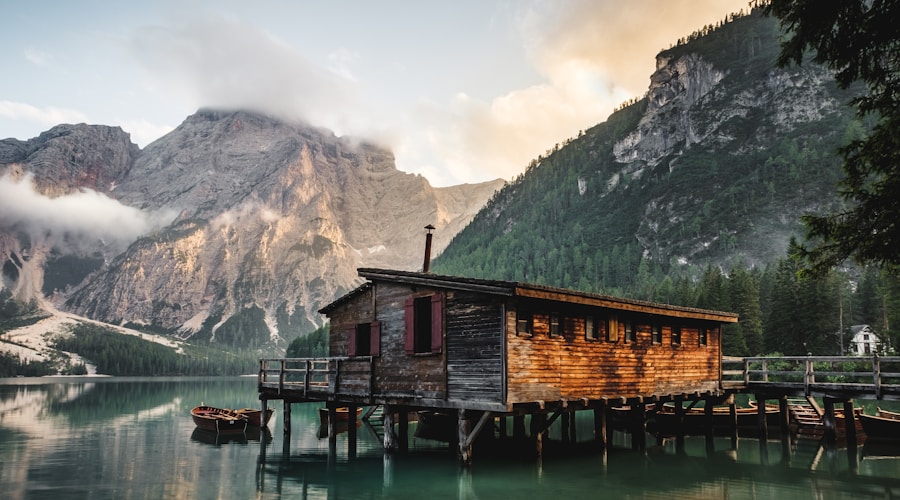
The real estate listing showed the cottage in July, golden light on the water, green trees framing the view, a hammock swaying in the breeze. What the listing did not show was January. The driveway buried under 30 centimetres of snow. The wind howling across the frozen lake with nothing to break it. The pipes threatening to freeze in the crawl space. The nearest grocery store 40 minutes away on roads that may or may not be plowed.
Year-round waterfront living in Ontario is a choice that delivers extraordinary rewards and demands extraordinary tolerance. The beauty of the waterfront in winter, the silence, the dramatic landscapes of ice and snow, the sense of having a place entirely to yourself, these are real and valuable. But they come packaged with practical challenges that many people underestimate when they decide to make the transition from seasonal to year-round waterfront living.
The Heating Challenge
Waterfront properties are typically more exposed to wind than inland homes, and wind is the enemy of heat retention. A cottage that sits on an open shoreline with water on one side and fields on the other has no windbreak, and the heating bills reflect it. Converting a three-season cottage to year-round use often requires insulation upgrades, window replacement, and heating system improvements that can cost tens of thousands of dollars.
The choice of heating system matters. Propane and oil are common in rural waterfront areas where natural gas is not available. The annual fuel cost for heating a moderately sized waterfront home through an Ontario winter can run $3,000 to $6,000 or more, depending on the efficiency of the building and the severity of the winter. Wood heat is popular as a supplement or primary heat source, but it requires a reliable wood supply, regular maintenance of the stove and chimney, and the physical ability to handle firewood throughout the season.
Water and Sewer
Frozen pipes are a constant concern for waterfront properties in winter. Water lines that run through unheated crawl spaces, along exterior walls, or through uninsulated sections of the building are vulnerable to freezing when temperatures drop. Once a pipe freezes, it can burst, causing water damage that is expensive to repair and disruptive to daily life. Proper insulation, heat tracing on vulnerable pipes, and maintaining adequate interior temperatures even when the building is unoccupied are essential preventive measures.
Septic systems also require winter consideration. While the biological treatment process continues at reduced rates in cold weather, the leaching bed can be affected by frost penetration. A layer of mulch or straw over the leaching bed helps insulate it. Avoiding driving or parking on the leaching bed area prevents soil compaction that reduces its effectiveness. And keeping water use consistent rather than alternating between heavy use and extended absence helps maintain the bacterial population in the system.
Access and Isolation
The roads that carry you to your waterfront property in summer may be considerably less reliable in winter. Municipal road maintenance varies widely in rural Ontario, and properties on seasonal or private roads may be responsible for their own snow removal. A plowing contract with a local operator is essential for properties on unplowed roads, and the cost can be several hundred to over a thousand dollars per season, depending on the length of the driveway and the frequency of plowing needed.
Isolation is a factor that some people embrace and others struggle with. In waterfront communities with a large seasonal population, winter can be very quiet. Neighbours who were there every weekend in summer are gone from October to May. Social gatherings that relied on the seasonal crowd dry up. Services including restaurants, shops, and recreation facilities may close or reduce hours. For people who thrive on solitude and self-reliance, this is part of the appeal. For those who need social connection and convenient services, it can be difficult.
The Winter Waterfront
For those who make the commitment, winter on the waterfront offers experiences that summer visitors never see. The ice formations along the shore, the tracks of animals across the snow-covered lake, the stars visible in the dark sky without light pollution, the northern lights on clear winter nights. The waterfront in winter is a different place, quieter and more dramatic, and the people who live there year-round develop a relationship with the landscape that is deeper and more nuanced than what any summer weekend can provide.
Making it work requires preparation, investment, and a realistic assessment of your tolerance for the challenges. It is not for everyone. But for those who embrace it, year-round waterfront living is one of the most rewarding ways to live in Ontario.
By Sarah Oland, Waterfront Living Columnist