Waterfront Towns Along the Ottawa River
How the river that divides two provinces quietly defines the communities on both sides of its banks
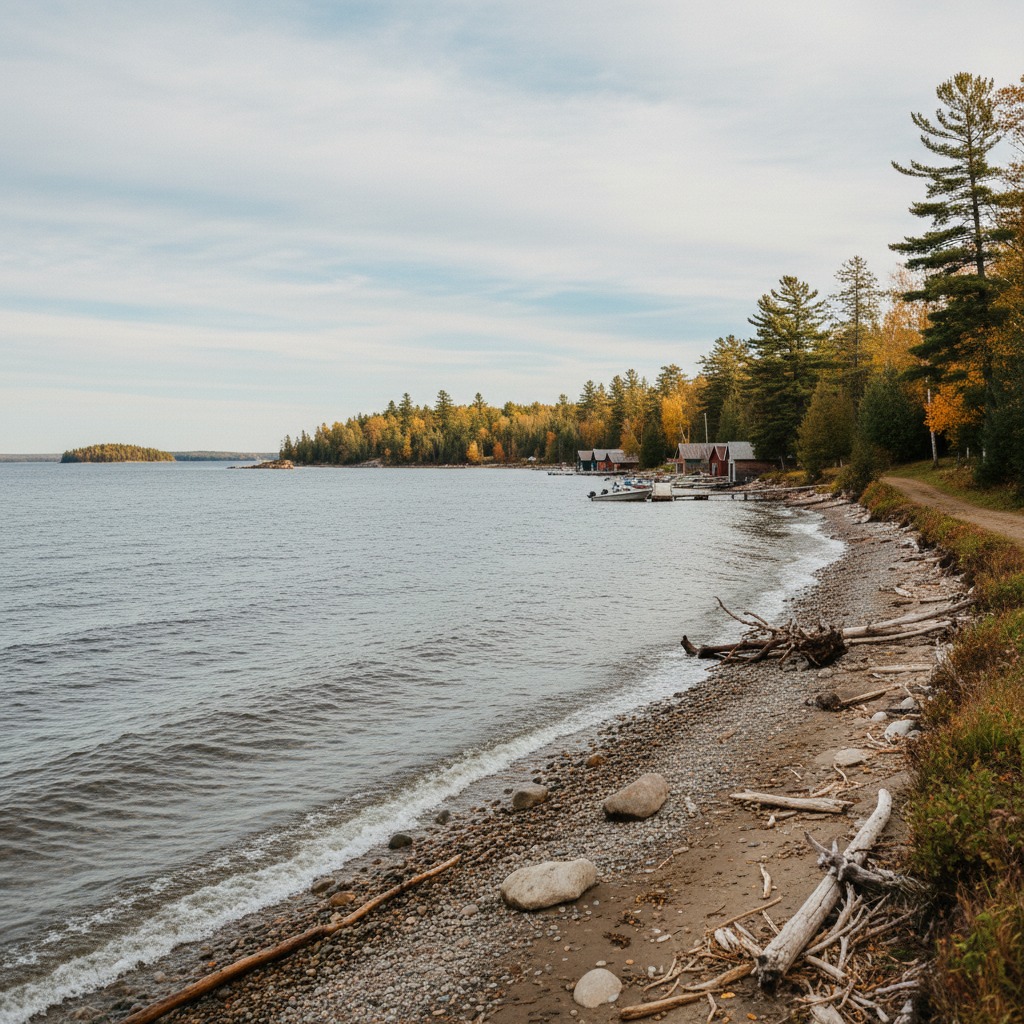
The Ottawa River stretches more than 1,200 kilometres from its headwaters in northern Quebec to its confluence with the St. Lawrence near Montreal. But the section between Ottawa and Pembroke, roughly 150 kilometres of river valley, contains some of the most interesting waterfront communities in eastern Ontario. These are towns shaped not by lakes or canals but by a powerful working river that has served as a border, a highway, a timber chute, and a recreation corridor across different eras of Canadian history.
Driving northwest from Ottawa, you catch glimpses of the river through the trees, wide and steady in places, narrowed by rocky outcrops in others. The towns along this route each have their own relationship with the river. Some face it directly. Others have turned their backs on it over the decades and are only now rediscovering the asset at their edge.
Arnprior and the Mouth of the Madawaska
Arnprior sits at the confluence of the Madawaska and Ottawa rivers, a location that made it a natural hub during the timber era. Daniel McLachlin established his lumber empire here in the 1850s, and the town grew around the mills and the men who worked them. The timber is long gone, but the rivers remain, and they give Arnprior a waterfront character that sets it apart from other towns of its size in the Ottawa Valley.
The town has invested steadily in its riverfront over the past two decades. Robert Simpson Park, stretching along the Ottawa River shoreline, provides public access to a waterfront that was for years underused. The views across to Quebec are expansive, and the sunsets over the river are among the finest in the valley. Arnprior also benefits from its position as a gateway to paddling routes on the Madawaska, one of Ontario's premier whitewater rivers, which enters the Ottawa just upstream of the town centre.
Housing in Arnprior has become more expensive as Ottawa commuters discover the combination of small-town living and river access. The drive to downtown Ottawa takes about 45 minutes, which is shorter than many suburban commutes within the city itself. This proximity is both a blessing and a pressure.
Renfrew and the Bonnechere
Renfrew is not directly on the Ottawa River but sits on the Bonnechere River a short distance inland. The distinction matters. Renfrew has always been a service centre for the surrounding agricultural region rather than a river town in the traditional sense. But the Bonnechere flows through the heart of the community, and the town has made increasing use of it as a recreational and aesthetic asset.
The Millennium Trail follows the river through town, connecting parks, green spaces, and residential areas. O'Brien Park offers riverside access and serves as a gathering point during community events. The Bonnechere is a gentler, more intimate waterway than the Ottawa, and the experience of walking along it through Renfrew feels quite different from standing on the bank of the big river downstream. It is quieter, closer, more personal.
Renfrew's relationship with its river reflects a broader pattern in Ontario: communities that once viewed their waterways primarily as utilities, sources of power and convenient places to discharge waste, are gradually rediscovering them as amenities. The shift is not unique to Renfrew, but the town provides a clear example of how even a modest river can anchor a revitalization effort when a community decides to turn toward the water rather than away from it.

Cobden and the Muskrat Lake Connection
Cobden is a small community that sits between the Ottawa River and Muskrat Lake, which drains into the river through Muskrat River. The town offers a different version of the Ottawa Valley waterfront experience, one defined not by a single dramatic river but by the broader watershed and the network of waterways that feed into the Ottawa from the south.
Muskrat Lake is known among anglers for its excellent fishing, and the connection between the lake, the small river, and the Ottawa creates an ecosystem that supports a range of recreational uses. For residents who value quiet waterfront access without the crowds or the cost of more prominent locations, Cobden and its surroundings deliver.
Pembroke and the Upper Valley
Pembroke sits where the Ottawa River widens into Allumette Lake, creating a broad, almost lake-like expanse that dominates the town's geography. This is the largest community in the upper Ottawa Valley, and its waterfront has been central to its identity for generations. The town's riverfront parks and the boardwalk along the shore provide public access to a stretch of water that feels more like a Great Lake than a river.
The murals painted on buildings throughout downtown Pembroke depict the town's history, much of which revolves around the river. Lumber barons, steamships, log drives, and the communities of raftsmen who floated timber down the Ottawa are all represented. The river was the economic engine that built Pembroke, and while the economy has diversified, the water remains the defining feature of the landscape.
Pembroke has also positioned itself as a hub for adventure tourism, with the Ottawa River's world-class whitewater rapids drawing paddlers and rafters from across the continent. The rapids at Rocher Fendu are among the best in eastern North America, and the outfitting companies based in and around the town support a seasonal economy that brings energy and visitors to the community.
Deep River and Mattawa
Further northwest, the Ottawa Valley becomes more remote and the communities more self-contained. Deep River was purpose-built to house workers at the Chalk River nuclear laboratories and has a surprisingly well-developed waterfront for its size. The town beach on the Ottawa is one of the best freshwater swimming beaches in the region, and the surrounding Canadian Shield landscape provides a dramatic backdrop that feels more like northern Ontario than the agricultural valley downstream.
Mattawa, at the confluence of the Mattawa and Ottawa rivers, occupies one of the most historically significant waterway junctions in Canada. This was the point where voyageurs and fur traders left the Ottawa and portaged to the smaller Mattawa River, which connected them to Lake Nipissing and the upper Great Lakes. The town celebrates this heritage through interpretive signage and a museum. For paddlers interested in historic canoe routes, the Mattawa River remains one of the finest experiences in the province.
The River as Connector
What distinguishes these Ottawa River communities from towns along lakes or canals is the river's scale and its role as a border. The Ottawa is not a local waterway. It is a continental river, wide enough in places to make the Quebec shore feel distant, powerful enough to demand respect. Living beside it is different from living beside a lake, where the water is contained and familiar. The river is always going somewhere, carrying water from deep in the Canadian Shield down to the St. Lawrence, and that sense of movement and connection to a larger geography gives the waterfront towns along its banks a character that is distinct from other river communities in Ontario.
The interprovincial dynamic adds another layer. Many of these Ontario towns look across the river to Quebec communities with different languages, different governance structures, and different cultural traditions. The river both separates and connects. Bridges and ferries have linked the two sides for centuries, and the resulting blend of English and French influences gives the Ottawa Valley a cultural texture unique in Ontario. The Ottawa Riverkeeper organization works across both provinces to protect the health of the watershed, reflecting the cross-border cooperation the river demands.

Pressures and Prospects
The Ottawa River corridor between Ottawa and Pembroke faces the same pressures that affect waterfront communities across the province. Rising property values are pushing out longtime residents and changing the social fabric of smaller towns. Climate change is altering water levels and increasing the frequency of extreme weather events, as demonstrated by the severe flooding that affected communities along the Ottawa in 2017 and 2019. Development pressure, particularly in communities within commuting distance of Ottawa, threatens the rural and small-town character that defines the valley.
But the river also provides reasons for optimism. Communities that invest in their waterfront, that maintain public access to the river, and that build their identity around the water rather than against it tend to be more resilient. The Ottawa River is too big and too important to ignore. The towns that embrace it most fully will be the ones that thrive. For people who appreciate the combination of a powerful river, a deep history, and communities still finding their way toward a sustainable relationship with the water, this is one of the most rewarding stretches of Ontario to explore.
By Colin Brashear, Eastern Ontario Correspondent