Overlooked Riverfront Parks Across Ontario
The green spaces along Ontario rivers that deserve more visitors than they get
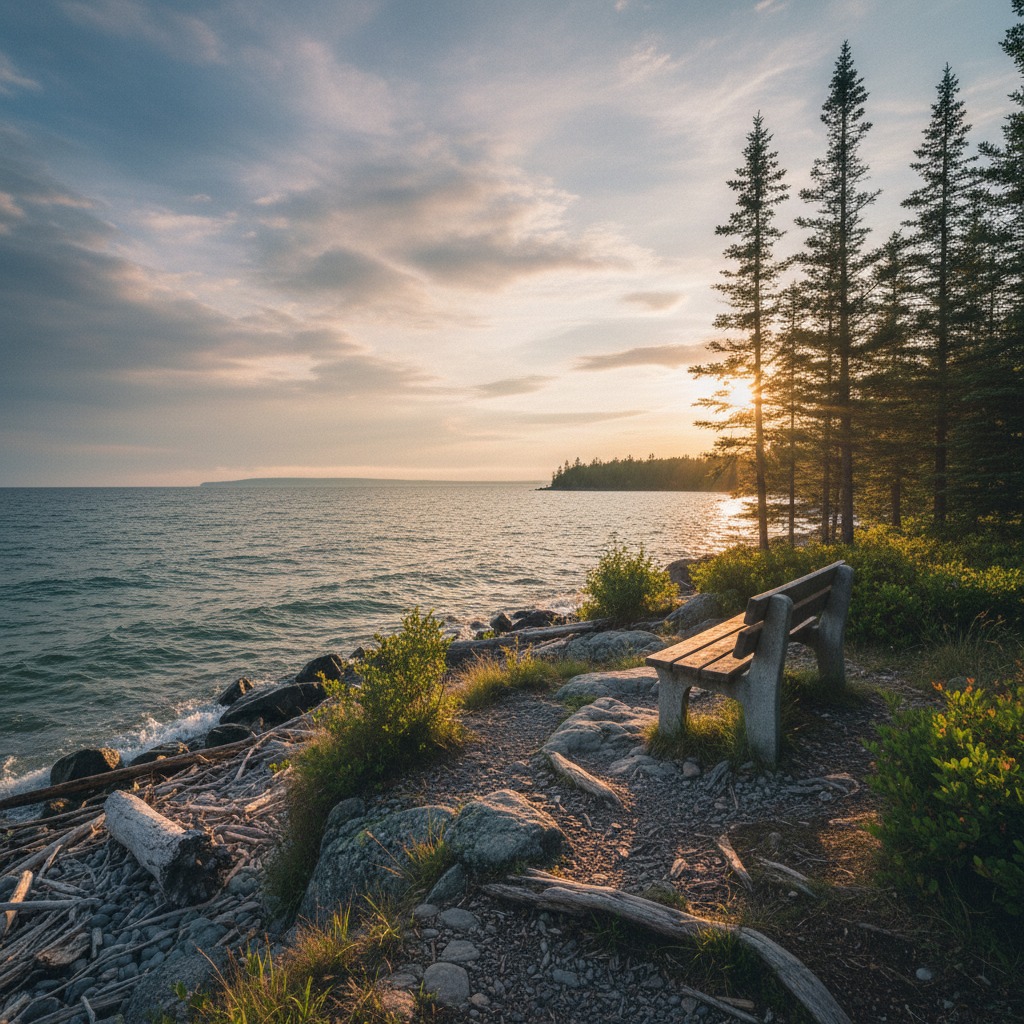
When Ontario residents plan a waterfront outing, they almost always think of lakeshores. The Great Lakes beaches, the Muskoka docks, the cottage-country swimming spots on inland lakes. These are well-loved destinations, and for good reason. But by fixating on lakes, most people overlook a network of waterfront green spaces that are often closer to home, less crowded, and just as rewarding: the parks that line Ontario's rivers.
Rivers are different from lakes in ways that matter for a park experience. They move. They change character with the seasons, running high and urgent in spring, settling into gentle pools in August. The wildlife corridors that follow river valleys bring birds, mammals, and reptiles into close proximity with trails. And because riverfront parks tend to attract fewer visitors than lakeside destinations, they offer something increasingly rare: genuine solitude within a reasonable drive of major population centres.
Here are some of the best riverfront parks across the province that most people have never heard of, or have simply never thought to visit.
Hardy Park and the Grand River Trail, Brantford
The Grand River through Brantford has undergone a remarkable transformation over the past two decades. Once degraded by industrial pollution and neglect, this stretch of Ontario's largest inland river now supports healthy populations of smallmouth bass, walleye, and various pan fish. Hardy Park sits at the heart of the revitalized riverfront, offering a paved multi-use trail that extends several kilometres along the river's edge.
The park is shaded by mature willows, silver maples, and cottonwoods that lean over the water and create a canopy effect along the trail. In spring, the river runs wide and brown with snowmelt, and migratory birds pass through in impressive numbers. By July, the water drops and clears, and you can watch fish holding in the current from the trail. A canoe and kayak launch at the park provides access for paddlers, and the stretch downstream toward Paris is one of the most scenic and accessible flat-water paddles in southern Ontario.
What makes Hardy Park genuinely overlooked is that Brantford itself is often overlooked. The city of 100,000 sits between the much larger centres of Hamilton and Kitchener-Waterloo, and visitors tend to pass through rather than stop. That is a mistake. The riverfront trail system alone justifies a visit, and it connects to the broader Grand River trail network that extends upstream through Cambridge, Kitchener, and beyond.
Riverside Park and the Speed River, Guelph
The Speed River is a modest waterway, narrow enough in places to throw a stone across. But Riverside Park in Guelph makes the most of what the river offers. The park stretches along both banks, connected by a pedestrian footbridge that provides the best vantage point for watching the water below. On the east side, a naturalized shoreline hosts nesting mallards, spotted sandpipers, and the occasional great blue heron standing motionless in the shallows. On the west side, open lawns and picnic pavilions provide space for larger groups.
The real charm of Riverside Park is its integration into the surrounding neighbourhood. This is not a destination park that requires a dedicated trip. It is a neighbourhood park that happens to have a river running through it, and the locals who use it daily treat it as an extension of their backyards. Dog walkers, joggers, families with strollers, and solitary readers on benches share the space with an ease that comes from familiarity. For a visitor, the effect is of joining a community at its most relaxed.
The trail system extends well beyond the park boundaries, following the Speed River and its tributaries through the city. The connection to the Royal City Trail and the Trans Canada Trail makes it possible to walk or cycle for hours along the water without retracing your steps. For those interested in broader trail networks along Ontario's waterways, our guide to the best waterfront trails covers several options.

Confederation Park, Peterborough
Peterborough's relationship with the Otonabee River defines the city in ways that residents understand intuitively but visitors often miss. The river flows through the heart of the city, and Confederation Park, situated on the east bank at a gentle bend in the river, is one of the best places to experience that connection.
The park offers views upstream toward the dam at London Street and downstream toward the Little Lake system. Mature trees provide shade along a well-maintained waterfront path. In summer, the park hosts a farmers market and periodic community events that draw people to the riverfront. The Millennium Trail passes through, linking the park to a broader network that extends north along the river and south toward the Trent-Severn Waterway.
What sets Peterborough's riverfront apart is the visible activity on the water. Canoes, kayaks, and rowing shells are regular sights on the Otonabee, and the Peterborough Rowing Club has been active on the river for over a century. Watching a rowing crew glide past while you sit on a bench in Confederation Park is one of those simple pleasures that costs nothing and delivers more than most planned entertainment. If the Otonabee inspires you to paddle, our article on canoe routes on Ontario rivers includes routes in this region.
Gibbons Park, London
The Thames River through London has suffered its share of environmental challenges, including flooding, pollution, and the ongoing battle against invasive species along its banks. But Gibbons Park, on the river's north branch just upstream of the Forks where the north and south branches meet, demonstrates what thoughtful management and community investment can achieve.
The park follows a wooded stretch of the Thames where the river meanders through a shallow valley. The trail hugs the riverbank closely enough that you can see into the water in most places, and the overhanging trees create a tunnel effect that feels almost wild despite being minutes from downtown London. In spring, the floodplain forest comes alive with trilliums and other wildflowers. In fall, the colour reflected in the river is exceptional.
The Thames River valley through London supports a surprising diversity of species, including deer, foxes, and a rich bird community with wood ducks, belted kingfishers, and several warbler species during migration. A morning walk in May is as productive as many dedicated birding sites. Our feature on birding at shoreline hotspots covers similar sites across the province.
Mill of Kintail Conservation Area, Almonte
Just outside the town of Almonte, on the Indian River (a tributary of the Mississippi River, which itself feeds the Ottawa River), the Mill of Kintail Conservation Area offers a riverfront experience that combines natural beauty with cultural history. The property centres on a restored nineteenth-century gristmill and the adjacent studio of sculptor R. Tait McKenzie, whose work is displayed in a small museum on site.
The trails wind through mature forest along the river, passing waterfalls and rapids that powered the original mill. The Indian River here is narrow and fast, with a character quite different from the broader, slower rivers of southwestern Ontario. In spring, the volume of water pouring over the falls is impressive, and the mist rising from the base creates a microclimate that supports lush fern and moss growth on the surrounding rocks.
The conservation area charges a modest day-use fee and is rarely crowded, even on summer weekends. The combination of river scenery, forest trails, and the mill museum makes it richer than many better-known parks. For those exploring the broader region, our profile of Ottawa River waterfront towns covers nearby communities.
Forks of the Credit Provincial Park, Caledon
Tucked into the Credit River valley north of the village of Belfountain, Forks of the Credit Provincial Park is one of the smallest provincial parks in Ontario. It is also one of the most dramatic. The Credit River tumbles through a narrow gorge here, dropping over a series of rock ledges that constitute a genuine waterfall in spring. The Kettle Runs trail descends to the river through a forest of hemlock and hardwoods, emerging at a point where the gorge walls rise steeply on both sides and the sound of rushing water fills the valley.
The park is popular with anglers during trout season and with hikers year-round, but its modest size and limited parking keep the crowds manageable. The Bruce Trail passes through the park, connecting it to the broader trail system along the Niagara Escarpment. The combination of river, gorge, waterfall, and mature forest within such a compact area makes Forks of the Credit one of the most rewarding per-kilometre hiking experiences in the province.

Why Rivers Deserve More Attention
Ontario's rivers flow through the communities where most of us live. They are closer than the cottage, more accessible than the lakeshore, and free to visit. The parks along their banks offer a waterfront experience that is, in many ways, more intimate and more varied than what you find at a beach. The water moves. The scenery changes around every bend. The wildlife is close and active. And the solitude, at least for now, is genuine.
The next time you are planning a day outside, skip the traffic to the beach and find a river instead. Walk along it. Sit beside it. Listen to it. The rivers have been flowing through these places for thousands of years, and the parks along their banks are waiting for you to notice.
By Dale Burrows, Recreation and Outdoors Writer