Boathouse Rules and Regulations in Ontario
What you can build, where you can build it, and who gets to say no
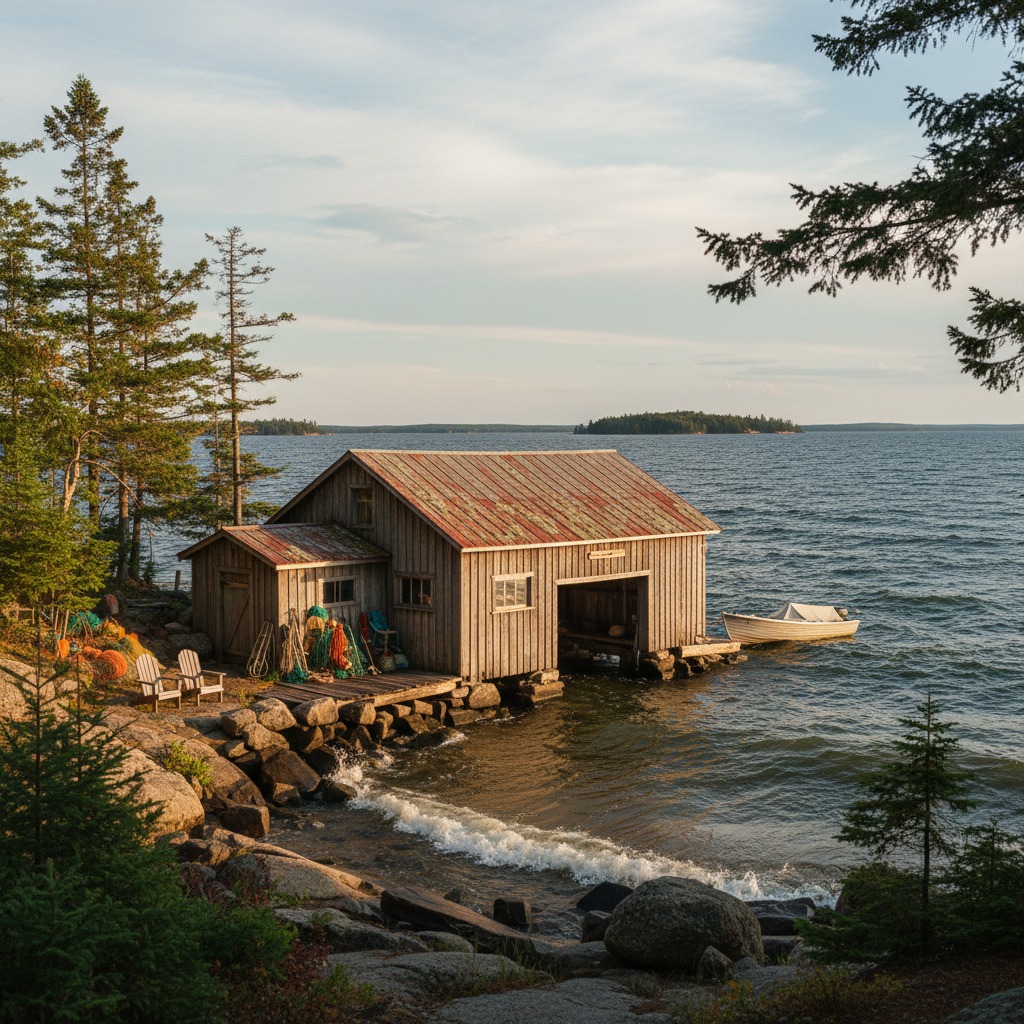
The classic Ontario boathouse is an icon of waterfront life. Whether it is a simple shelter for a canoe or a two-storey structure with a sleeping loft above and boat slips below, the boathouse represents the intersection of water and home in a way that few other buildings do. It is also one of the most heavily regulated structures you can build on waterfront property, and the regulations can be bewildering.
If you are thinking about building, expanding, or renovating a boathouse in Ontario, you need to understand that multiple levels of government have a say in what happens. The rules vary significantly depending on the waterbody, the municipality, and the conservation authority with jurisdiction over the area. What is permitted on one lake may be prohibited on the next. What was legal when the existing boathouse was built may not be legal for a replacement.
Municipal Zoning
The first layer of regulation is the local municipality's zoning bylaw. Zoning bylaws specify what types of structures are permitted on waterfront properties, including boathouses, and they set parameters for size, height, setback from the water, lot coverage, and use. Many municipalities distinguish between boathouses and boat ports, with different rules for each. A boathouse is typically an enclosed structure, while a boat port is an open-sided shelter.
Critical zoning questions include whether boathouses are permitted on the waterbody at all, whether the zoning allows new construction or only maintenance of existing structures, and what the maximum size and height restrictions are. Some municipalities have imposed moratoriums on new boathouse construction, effectively freezing the number of boathouses at current levels. Others restrict boathouses to single-storey structures, eliminating the traditional sleeping loft that makes many older boathouses so appealing.
If the proposed boathouse does not comply with the zoning bylaw, you will need a minor variance from the Committee of Adjustment, which requires a public notice process and may generate opposition from neighbours. The zoning landscape on lakefront properties has been tightening in recent years, and variances for boathouses are scrutinized more carefully than they once were.
Conservation Authority Permits
Any construction within the regulated area of a waterbody, which typically extends 30 metres or more inland from the shoreline, requires a permit from the local conservation authority. This applies to boathouses whether they are on land or partially or fully over water. The conservation authority will assess the proposal for its impact on natural hazards, including flooding and erosion, and on natural features, including fish habitat, wetlands, and shoreline vegetation.
The permit process can take several months and may require supporting studies including a grading plan, an erosion assessment, and a biological inventory. The conservation authority may impose conditions on the permit, such as requirements for shoreline naturalization, setbacks from natural features, or construction timing to avoid sensitive periods for fish spawning.
Federal Requirements
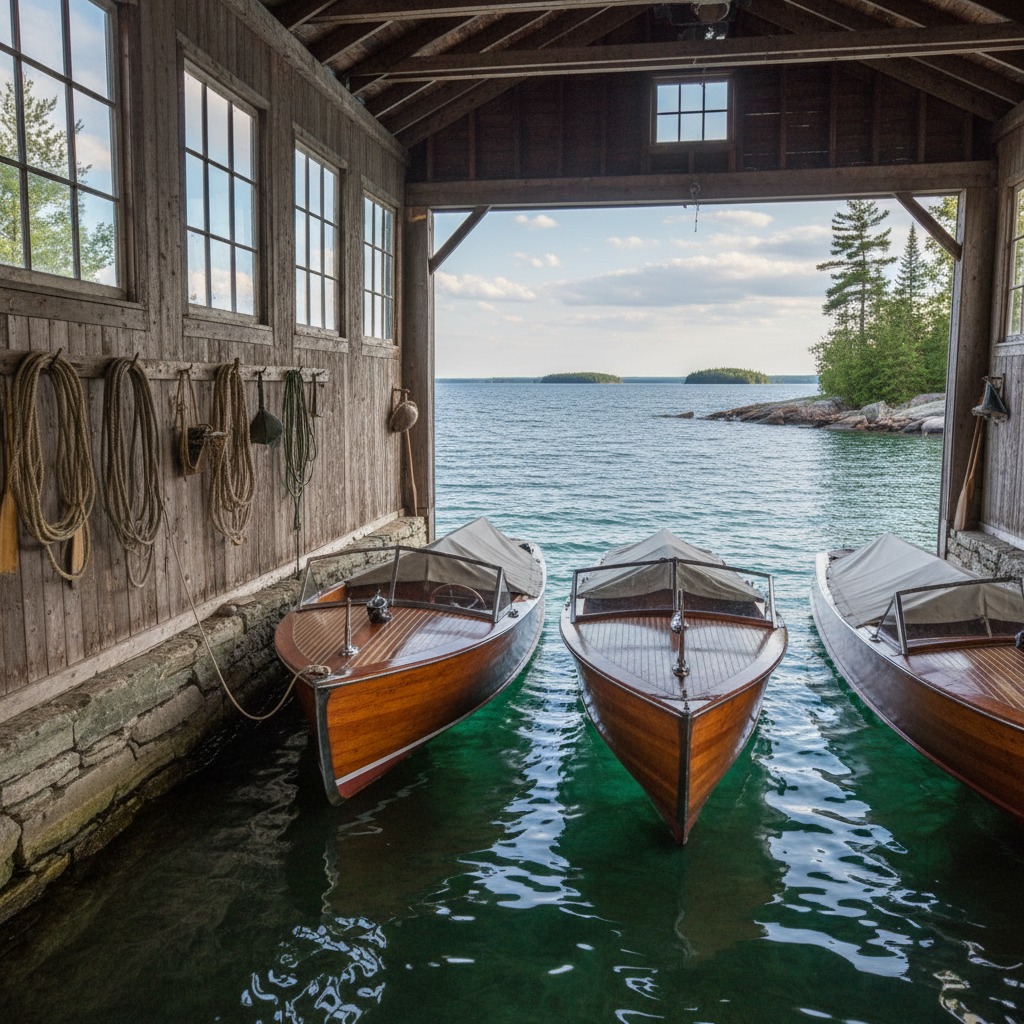
If the boathouse involves work in, on, over, or under a navigable waterway, the federal government may be involved through the Canadian Navigable Waters Act. Structures that could interfere with navigation, including boathouses that extend into the waterway, may require approval from Transport Canada. The Fisheries Act also applies, prohibiting the harmful alteration, disruption, or destruction of fish habitat. In-water work for boathouse foundations or cribs must comply with Department of Fisheries and Oceans requirements, which may include timing windows that restrict construction to specific months of the year.
The practical effect of these federal requirements is that building a boathouse over water or at the water's edge is significantly more complex than building one on dry land. Many waterfront property owners have discovered that the federal permitting process adds months and thousands of dollars to their project timeline. The dock permitting process involves many of the same agencies and can serve as a useful introduction to the regulatory landscape.
Existing Boathouses
If your property already has a boathouse, you have a legal non-conforming structure if it was built before the current zoning restrictions came into effect. This means you can generally maintain and repair the existing structure, but you cannot expand it or rebuild it to a larger size. If the boathouse is destroyed beyond a certain percentage, typically 50 to 75 percent depending on the municipality, the right to rebuild may be lost entirely, and any replacement would need to comply with current regulations.
This is a critical consideration for boathouse owners. A structure that was legal when built in 1960 may not be rebuildable under today's rules. Understanding the legal status of an existing boathouse is essential before undertaking any renovation or repair work. If you are buying waterfront property with a boathouse, confirm the structure's legal status before closing.
Insurance and Liability
Boathouses present unique insurance challenges. Standard homeowner policies may not cover boathouses, particularly those over water. Separate coverage may be required, and the cost can be significant, especially for older structures. Liability considerations are also important: if someone is injured in or around the boathouse, the property owner may be responsible. Ensuring adequate coverage and understanding the policy's exclusions is essential.
Building Smart
For those proceeding with a boathouse project, the most important advice is to engage the regulatory agencies early, before finalizing plans and certainly before starting construction. A pre-consultation with the municipality and the conservation authority can identify potential obstacles before you have invested in detailed architectural drawings. Hiring a planner or permit agent who specializes in waterfront construction can save time and frustration.
The regulatory framework for boathouses reflects a genuine tension between private enjoyment of waterfront property and the public interest in protecting shorelines, fish habitat, and navigable waters. Understanding and working within that framework is not optional. It is the price of building on the water. For more on navigating the permitting landscape, the Ontario Building Code provides the provincial requirements that apply to all construction projects.
By James Whitfield, Development Reporter