Shoreline Maintenance Guide for Waterfront Homeowners
The seasonal tasks, monitoring practices, and professional interventions that protect your property and the water it borders
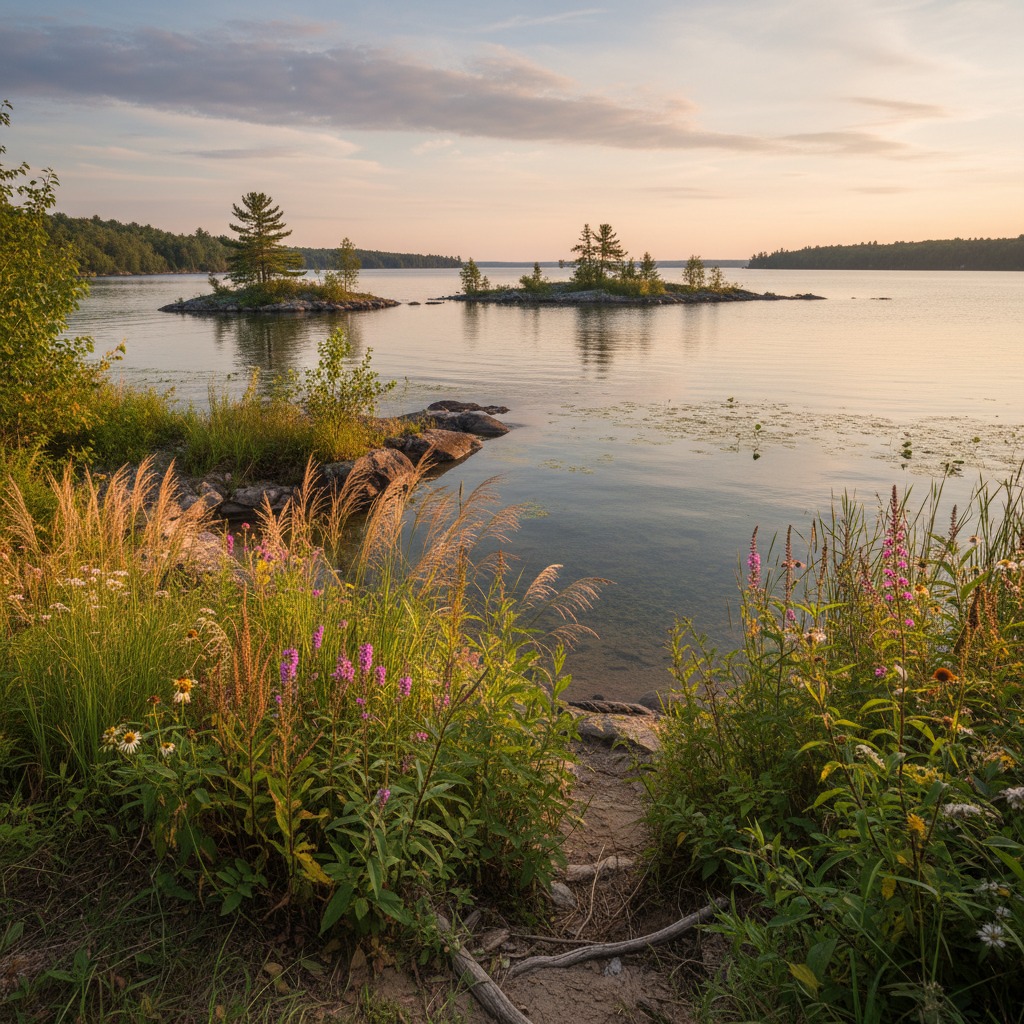
Waterfront property ownership comes with a responsibility that no inland homeowner faces: maintaining the boundary between your land and the water. That boundary, your shoreline, is not static. It shifts with the seasons, responds to weather and water levels, grows and erodes, and requires ongoing attention to remain stable, functional, and ecologically healthy. Ignore it, and you risk property damage, declining water quality, habitat loss, and expensive emergency repairs that could have been avoided with regular care.
The good news is that effective shoreline maintenance does not require professional expertise for most routine tasks. It requires observation, consistency, and a basic understanding of what your shoreline needs in each season. This guide breaks the work into seasonal tasks, covers the most common maintenance challenges, and helps you recognize the situations where professional help is genuinely necessary.
Understanding Your Shoreline
A healthy shoreline serves three critical functions. It protects your property from erosion by absorbing wave energy and holding soil in place. It filters contaminants from surface water before they reach the lake, including sediment and nutrients from lawn fertilizer. And it provides habitat for fish, amphibians, birds, and insects that are part of the ecosystem you live within.
A naturalized shoreline with native grasses, shrubs, and trees is the most effective at all three functions. A hardened shoreline with a concrete seawall may protect against erosion in the short term but provides no filtration and no habitat. Most residential shorelines fall somewhere between these extremes, and the goal of maintenance is to move yours toward the naturalized end of the spectrum. For a deeper look at why naturalized approaches outperform hard armouring, see our article on why naturalized shorelines work.
Spring: Assessment and Repair
Spring is the most important season for shoreline maintenance because it is when you discover what winter has done. Ice heave, freeze-thaw cycles, spring runoff, and high water can all cause damage that, if left unaddressed, will worsen through the rest of the year. As soon as the snow melts and the ground thaws enough to walk safely along the shore, conduct a thorough inspection.
Walk the entire shoreline. Do this slowly and deliberately. Look for new areas of erosion, including undercut banks, slumped soil, exposed roots, and displaced rocks or riprap. Note any areas where the bank profile has changed over the winter. Take photographs and compare them to photos from previous years if you have them. This visual record is invaluable for tracking trends and identifying areas that are deteriorating over time.
Check structures. Inspect retaining walls, seawalls, gabion baskets, and any other engineered shoreline protection for cracks, settlement, displacement, or deterioration. Ice forces are powerful enough to shift concrete blocks and bend steel. Pay particular attention to joints, corners, and any point where a structure meets the natural bank, as these are the most common failure points.
Assess vegetation. Check the condition of plantings in your shoreline buffer. Winter kill is normal for some species, and young plants that were installed the previous fall may not all have survived. Note any gaps in the buffer that need replanting. Also look for early signs of invasive species, particularly phragmites, which sends up new shoots in early spring before most native vegetation has leafed out. Early detection and removal of invasives is far easier and cheaper than dealing with established colonies. Our detailed piece on phragmites explains identification and control methods.

Stabilize exposed soil. Any bare soil along the shoreline should be stabilized quickly. Spring rains will erode unprotected areas rapidly. For small spots, a combination of coir matting and native plant plugs provides both immediate and long-term stabilization. For larger areas of bank failure, consult a professional, as improper work can accelerate the problem.
Clean up debris. Remove any man-made debris that has accumulated over winter, including litter and dock components that broke loose. Leave natural debris such as fallen branches and leaf litter in place unless it is blocking drainage, as it provides habitat and helps stabilize the soil.
Summer: Monitoring and Vegetation Management
Summer is the growing season, and the primary focus shifts to managing vegetation in your shoreline buffer. This does not mean mowing to the water's edge. Mowing to the waterline removes the root systems that hold the bank together, eliminates filtration vegetation, and destroys transitional habitat.
Maintain the buffer. A healthy shoreline buffer is a strip of native vegetation, ideally three metres or wider, extending from the waterline up the bank. During summer, ensure that native plants in the buffer are thriving. Water new plantings during dry spells. Remove dead or dying plants and replace them. The buffer should be getting denser and more diverse each year, not thinner. For guidance on choosing the right plants, see our article on native plants for shoreline gardens.
Control invasive species. Phragmites, purple loosestrife, European buckthorn, and garlic mustard are the most common shoreline invaders in Ontario. Small patches can be controlled with hand-pulling or cutting before they go to seed. Larger infestations may require professional treatment. A few hours of invasive removal each month through the growing season prevents the exponential spread that makes control far more difficult later. Invasive species left unchecked will eventually dominate the shoreline and undermine its protective function.
Monitor water levels and erosion. Check the condition of your shoreline regularly throughout the summer, particularly after storms or periods of high water. Wave action during summer storms can cause significant erosion in a single event, and catching the damage early allows you to stabilize the area before it worsens. Note any changes in water level that seem unusual, as they may indicate upstream dam operations, drought conditions, or other factors that affect your shoreline.
Manage runoff from your property. Ensure that surface drainage from your yard, driveway, and roof is directed away from the shoreline where possible. Rain gardens, infiltration swales, and disconnected downspouts are effective methods for managing stormwater on your property before it reaches the lake.
Fall: Preparation and Planting
Fall is both a preparation season and a planting season. The tasks you complete before freeze-up directly affect how your shoreline weathers the winter and what you find when you inspect it in spring.
Remove seasonal structures. Floating docks, swim platforms, and any other items in the water should be removed before ice forms. Ice forces will damage or destroy them and can push them into your shoreline, causing erosion. The cost of seasonal removal and reinstallation is trivial compared to replacing ice-damaged equipment. Our article on the cost of owning a dock covers the ongoing responsibilities of dock ownership.
Plant native species. Fall is an excellent planting season for native trees, shrubs, and perennials along the shoreline. Cool temperatures and autumn rains help establish root systems before winter dormancy. Add a few native plants to your shoreline buffer each fall, choosing wet-tolerant species near the waterline and upland species higher on the bank. Over several years, this incremental approach builds a robust, diverse buffer.
Protect vulnerable areas. Areas that eroded during the summer should be stabilized before freeze-up. Coir logs pegged along the toe of the bank absorb wave energy and trap sediment. Erosion blankets over bare soil prevent further loss.

Clean and inspect permanent structures. Give retaining walls, seawalls, and permanent docks a thorough inspection before winter. Clear any debris that has accumulated against structures, as trapped material can concentrate ice forces. Check drainage systems behind retaining walls to ensure they are clear.
Winter: Observation and Planning
Winter is a relatively quiet season for shoreline maintenance, but it is not a season to ignore your shoreline entirely.
Monitor ice conditions. If safe to do so, periodically observe ice conditions along your shoreline. Ice ridging, where wind pushes ice plates up onto the shore, can cause significant erosion and structural damage. Understanding where ice pressure builds helps you prioritize spring repairs.
Plan for the coming year. Winter is the ideal time to research, plan, and budget for larger shoreline projects. If your monitoring identified areas needing professional attention, use the winter months to obtain quotes and arrange for permits. Conservation authority permits can take weeks to process, so starting in winter means approvals are in hand when construction season begins.
When to Call a Professional
Most routine shoreline maintenance is within the ability of any capable property owner. But certain situations call for professional expertise: active bank failure, a retaining wall showing structural distress, erosion threatening a building or septic system, or uncertainty about whether your planned work requires permits from your conservation authority.
A qualified professional might be a shoreline restoration specialist, a geotechnical engineer, or a contractor who specializes in waterfront work. Ask for references and examples of completed projects before hiring. Shoreline work done incorrectly can be worse than no work at all.
Your shoreline is the front line of your property. Maintaining it well is an investment that pays returns in property protection, property value, water quality, and the health of the ecosystem that makes waterfront living worthwhile. A few hours of attention each season is all it takes.
By Sarah Oland, Waterfront Living Columnist