Aging in Place on the Waterfront: Challenges Nobody Mentions
The stairs, the dock, the distance to healthcare, and the realities of growing older on the water
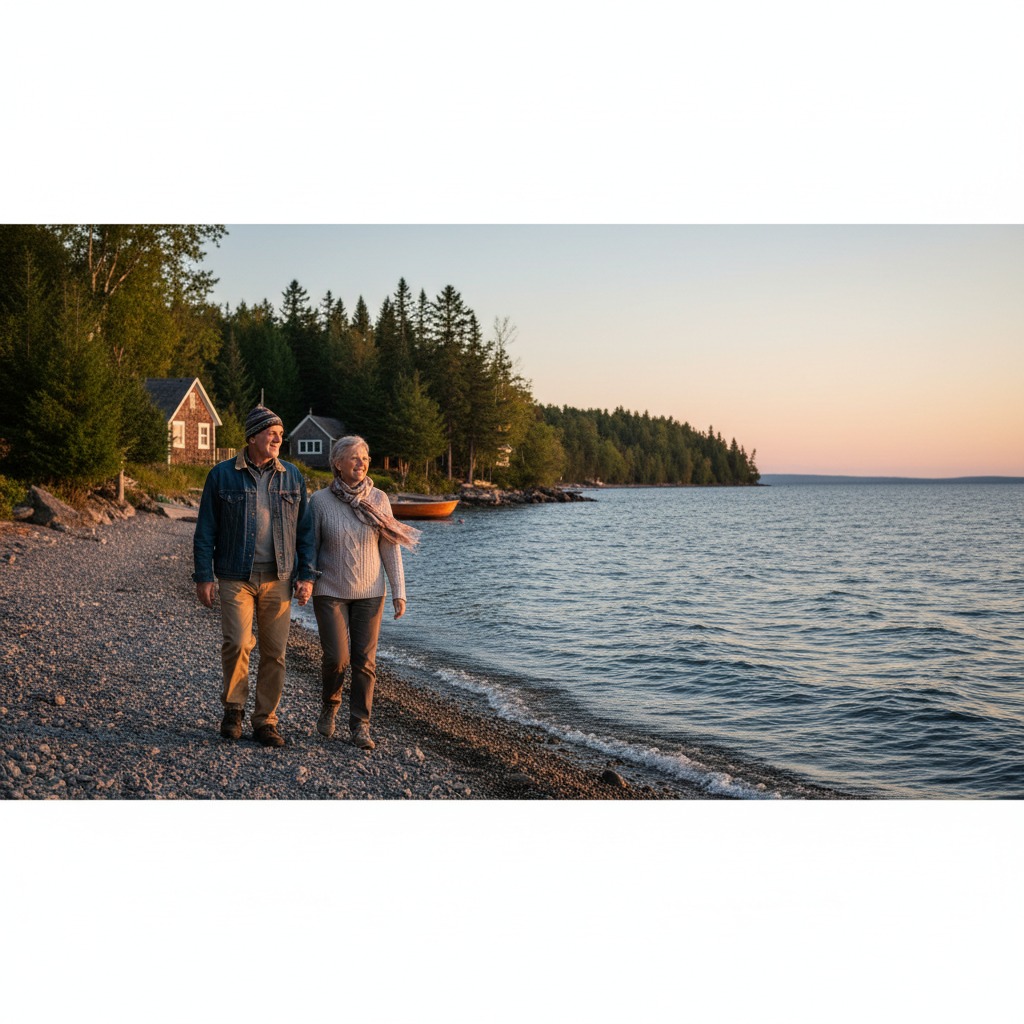
The plan seemed perfect when you bought the waterfront property in your fifties. Retire there, fish every morning, watch the sun go down from the dock. Two decades later, the stairs to the water are getting harder. The drive to the nearest specialist takes over an hour on winter roads that are not always plowed on schedule. The snow removal that used to take an hour now takes three, and the nearest year-round neighbour who might notice if something went wrong lives half a kilometre away. For thousands of Ontario waterfront homeowners approaching their seventies and beyond, the dream retirement property is beginning to present challenges that nobody talked about at the closing table.
This is not a reason to abandon the dream. It is a reason to plan honestly for the reality that waterfront properties demand more from their owners than typical homes, and that the gap between what the property demands and what the owner can comfortably provide tends to widen with age. The homeowners who navigate this successfully are the ones who start planning early and make strategic adaptations before circumstances force emergency decisions.
The Physical Demands of Waterfront Living
Waterfront properties are inherently more physically demanding than urban or suburban homes. The most obvious challenge is elevation change. Many lakefront and riverfront properties involve significant grade between the house and the water, with stairs that may number 30, 50, or even 100 steps. At 55, those stairs are exercise. At 75, with a knee replacement or a balance issue, they become a serious hazard. The terrain between the house and the water is often uneven, with roots, rocks, and slopes that are manageable for an able-bodied person but treacherous for someone with limited mobility.
Beyond the stairs, the general maintenance demands of a waterfront property are considerable. Dock installation and removal, boat handling, shoreline upkeep, clearing fallen trees, managing erosion, maintaining septic systems and wells, and dealing with seasonal weather damage all require physical effort that increases as the property ages alongside its owner. A property that was easy to manage at 55 can feel overwhelming at 75, not because the tasks have changed but because the body doing them has.
Accessibility modifications can extend comfortable waterfront living by years or even decades. Graded pathways with gentle slopes can replace steep stairs. Handrails along paths and at critical transition points add security. Floating docks that sit at water level eliminate the need to climb down fixed structures. Motorized track lifts, similar to those used at ski resorts on a smaller scale, can transport a person up and down a bluff. These modifications require planning and investment, typically $10,000 to $50,000 depending on the terrain and the scope of work, but they are far less expensive than the alternatives of selling the property or suffering a serious fall.

Healthcare Access and Emergency Response
Distance from healthcare is perhaps the most serious concern for aging waterfront residents, and the one most often underestimated. Rural hospitals in Ontario have been consolidating for decades, and the nearest emergency room may be 30 to 60 minutes away by car. Specialists are typically found only in larger centres, meaning trips of an hour or more for routine appointments. For someone managing chronic conditions like diabetes, heart disease, or arthritis, the travel burden alone can become unmanageable, particularly in winter when road conditions add time and risk to every trip.
Ambulance response times in rural Ontario are significantly longer than in urban areas. In some communities, response times average 15 to 25 minutes, and in remote cottage areas they can exceed 30 minutes. For time-sensitive emergencies like stroke or cardiac arrest, those minutes matter enormously. Home healthcare services are available in rural areas through Ontario's home care system, but the availability of personal support workers and visiting nurses is often limited, with wait times that exceed those in urban areas.
Planning for healthcare access means more than hoping for the best. It means establishing relationships with local healthcare providers, understanding what services are available in the nearest community, maintaining reliable transportation, and having a realistic plan for what happens when driving is no longer safe. Some waterfront communities have volunteer driver programs or community health centres that help bridge the gap. Others do not, and the isolation can become a genuine health risk.
Social Isolation and Mental Health
The quiet that appeals in your sixties can become genuine isolation in your eighties. Waterfront properties, particularly those in cottage country, were often designed for seasonal use. The neighbours who provide social connection in summer disappear in October and do not return until May. The community activities that filled the calendar during cottage season shut down for winter. The restaurants and shops in nearby towns may close or reduce hours in the off-season.
When driving becomes difficult, whether due to vision changes, medication effects, or simple discomfort with winter roads, the property can shift from sanctuary to prison. Social isolation in older adults is associated with increased risk of depression, cognitive decline, heart disease, and premature death. The research on this is clear and alarming, and it applies directly to the situation of an aging person living alone on a remote waterfront property through an Ontario winter.
Planning for social connection is as important as planning for physical accessibility. This might mean committing to regular involvement in community organizations, arranging scheduled visits from family and friends, using technology for virtual social interaction, or building relationships with year-round neighbours. Some waterfront communities have developed informal check-in systems among permanent residents, recognizing that mutual awareness is a form of safety net. For those considering year-round waterfront living, building a winter social network should be part of the plan from the beginning.
The Financial Reality
Aging in place on the waterfront has financial implications that differ from aging in an urban home. The property itself may require significant investment in accessibility modifications. Ongoing maintenance costs tend to increase rather than decrease as systems age. Insurance premiums for remote waterfront properties are higher than for urban homes, and they rise as the owner ages and the property demands more attention. Property taxes on waterfront land, which have risen sharply in many Ontario municipalities, represent a carrying cost that does not diminish with retirement income.
At the same time, the property may represent a significant portion of the owner's net worth. Waterfront property values have appreciated substantially over the past two decades, and selling the property could fund a comfortable urban retirement with money left over. The emotional attachment to the property is real and valid, but it should be weighed honestly against the financial and practical realities. Understanding your waterfront property tax obligations and the true cost of continued ownership is essential to making an informed decision.

Adaptation Strategies That Work
The waterfront homeowners who age successfully in place tend to share certain characteristics. They plan ahead, making modifications before they are urgently needed. They invest in the property's accessibility rather than treating it as an expense to avoid. They build and maintain social connections that function year-round. They establish relationships with reliable contractors and service providers who can handle tasks that become too demanding. And they make honest, ongoing assessments of whether the arrangement is still working.
Some practical strategies include converting the property to single-floor living, moving the primary bedroom and bathroom to the main level if they are not already there. Installing a walk-in shower instead of a bathtub. Improving lighting along paths and stairs. Setting up a reliable communication system, whether a landline that works during power outages or a satellite-connected emergency device. Arranging for regular property checks during absences. And maintaining a relationship with a qualified home inspector who can identify emerging maintenance issues before they become emergencies.
The Ontario government's aging resources provide information on home modification programs, community support services, and healthcare access initiatives that may be relevant to waterfront homeowners planning for the years ahead.
Making the Decision
The question is not whether you can age on the waterfront. With enough money and planning, almost anyone can. The question is whether you should, and for how long. Honest assessment of health trajectory, financial resources, support network, and property characteristics will guide a decision that serves your well-being rather than your nostalgia. For some, the waterfront is absolutely the right place to grow old, surrounded by the landscape they love with a plan that keeps them safe and connected. For others, a timely transition to more accessible living, perhaps a waterfront town with services within walking distance, is the wiser choice. The key is to make the decision while you still have the luxury of choosing, rather than waiting for circumstances to choose for you.
By Sarah Oland, Waterfront Living Columnist