The Complete Waterfront Home Inspection Guide for Ontario Buyers
A standard home inspection is not enough when you are buying near the water
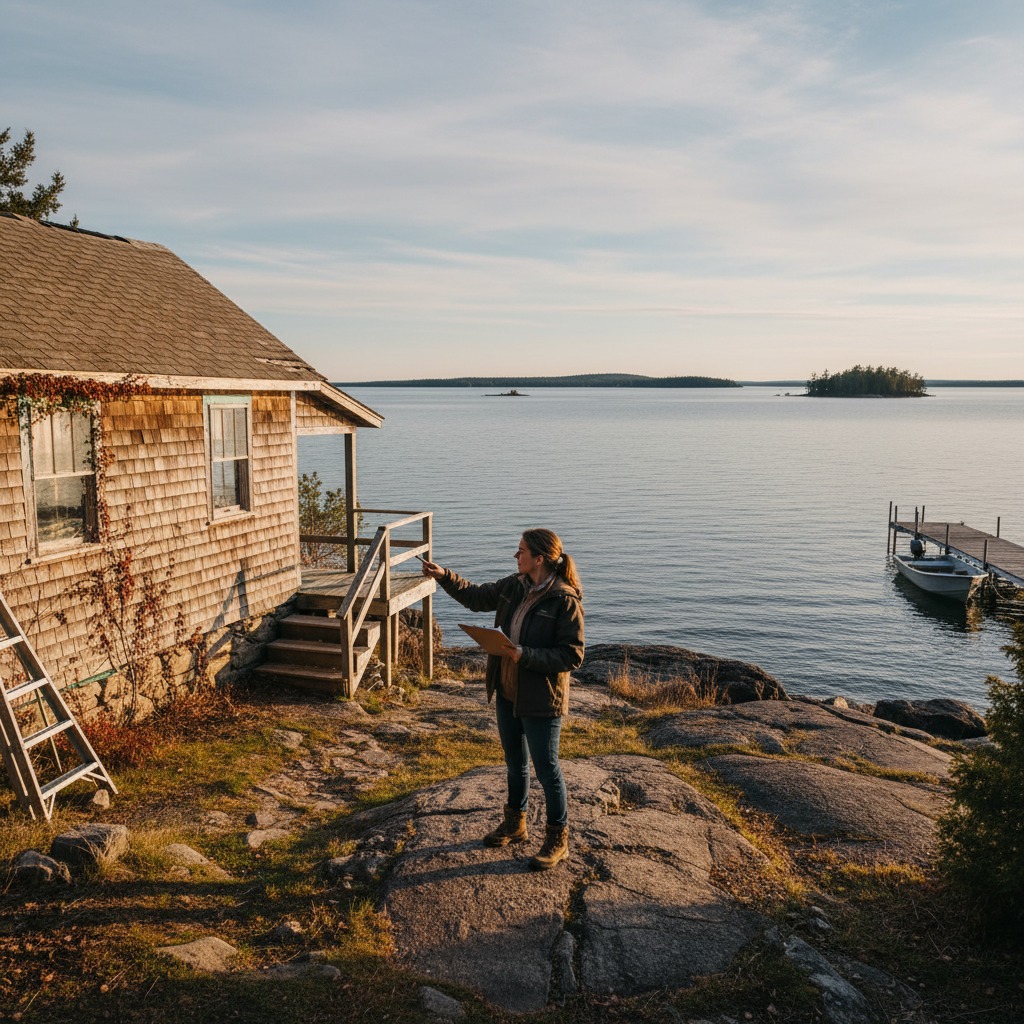
A standard home inspection covers the structure, roof, electrical, plumbing, and heating system. For most residential purchases, that is adequate. For a waterfront property, it is dangerously insufficient. The systems that cause the most expensive surprises on waterfront homes are precisely the ones a standard inspection barely touches: the septic system, the well, the shoreline condition, the dock infrastructure, and the foundation's relationship with water. These are not minor add-ons to the inspection process. They are the items most likely to cost you tens of thousands of dollars after closing if they are missed.
Before you finalize any offer on a waterfront property in Ontario, you need a comprehensive inspection strategy that goes well beyond the standard checklist. Here is what that looks like, item by item, and why each element matters for anyone serious about buying waterfront property in Ontario.
The Septic System: The Most Expensive Surprise
A standard home inspection includes a visual check of the septic system. The inspector may flush toilets and run water to confirm drainage, but that tells you almost nothing about the actual condition of the system. What you need is a full septic inspection by a qualified septic professional, not the home inspector. This means locating the tank, opening it, measuring sludge and scum levels, evaluating the condition of the baffles, checking for cracks or structural deterioration, and assessing the leaching bed for signs of failure.
The cost of a thorough septic inspection ranges from $300 to $600. The cost of replacing a failed septic system on a waterfront property ranges from $20,000 to $60,000, and in some cases even more when challenging site conditions or proximity to the water requires an engineered solution. A system that is technically functioning today may be at the end of its useful life, operating beyond its designed capacity, or non-compliant with current regulations. Any of these situations can result in a mandatory replacement order from the local health unit.
Pay particular attention to the age and type of system, the distance from the leaching bed to the waterline, and whether the system has been pumped regularly. Ask for pump-out records. A system that has never been pumped in 15 years is a system that has been abused, regardless of how well it appears to function during a brief inspection.
The Well: What You Cannot See Can Harm You
Every rural waterfront property depends on a well for drinking water, and every well near a shoreline faces elevated contamination risks. A standard inspection may include running the water and checking pressure, but it will not tell you whether the water is safe to drink, whether the well is properly constructed, or whether the aquifer is compromised.

Water quality testing should include bacteria (total coliform and E. coli), nitrates, and a general chemistry panel covering hardness, iron, manganese, sodium, chloride, and pH. Bacterial contamination indicates that surface water or sewage is reaching the well, which is a serious health risk. Elevated nitrates suggest agricultural or septic contamination. Rising chloride levels often indicate road salt infiltration, a growing problem across Ontario.
Beyond water quality, the well itself should be inspected for construction standards. Older wells may have inadequate casing depths, deteriorating surface seals, or casings that do not extend far enough above grade. The well record, available from the Ontario well record database, will tell you when it was drilled, its depth, the static water level, and the reported yield. A well that was drilled 40 years ago to a depth of 30 feet with a reported yield of 2 gallons per minute is a well that may need replacing. Factor that cost into your offer.
Shoreline Condition and Erosion
Walk the entire shoreline of the property and look critically at what you see. Signs of active erosion include exposed tree roots along the bank, leaning or fallen trees at the water's edge, visible slumping or cracking in the bank face, undermined or tilting retaining walls, and gaps behind shoreline protection structures where the soil has washed away. Any of these indicate ongoing erosion that will require attention and investment.
If the property has engineered shoreline protection such as a seawall, armour stone, or gabion baskets, evaluate its condition carefully. Concrete walls crack, steel sheet piling corrodes, and armour stone can shift and settle. Repairing or replacing shoreline protection is one of the most expensive maintenance items on a waterfront property, often costing $500 to $1,500 per linear foot. A property with 200 feet of failing seawall is a property with a six-figure repair bill waiting to happen. Understanding shoreline erosion patterns on the Great Lakes will help you assess whether the problem is likely to stabilize or worsen over time.
Check with the local conservation authority about hazard mapping for the property. Conservation authorities maintain maps showing areas subject to flooding, erosion, and dynamic beach processes. If the property falls within a hazard zone, there will be restrictions on development and potentially on rebuilding after damage. These restrictions can significantly affect the property's value and your ability to modify or expand the home.
Foundation and Water Intrusion
Waterfront properties are more susceptible to foundation and basement water problems than inland homes because of their proximity to the water table. During spring melt and periods of high lake levels, the water table can rise to the point where hydrostatic pressure forces water through any weakness in the foundation. Look for staining on basement walls and floors, efflorescence (white mineral deposits), peeling paint or coating, musty odours, and any evidence of sump pump use.
A sump pump that runs frequently is not a sign that the system is working. It is a sign that there is significant water pressure against the foundation. Ask how often the sump pump runs during spring and during heavy rain events. Check whether there is a battery backup in case of power failure. A waterfront basement that floods during a spring storm when the power goes out can sustain catastrophic damage in a matter of hours.
The foundation type also matters. Properties built on piers or posts near the water face different issues than those with full basements, including settlement, frost heave, and exposure to ice damage. Have the inspector evaluate the condition and stability of the foundation system in the context of its proximity to the water.

Dock and Water Access Infrastructure
The dock is often the most used and most neglected structure on a waterfront property. Inspect the decking for rot, warping, and structural integrity. Check the pilings or crib for corrosion, deterioration, and stability. Look for ice damage, which typically appears as shifted or cracked pilings, misaligned sections, and buckled framing. If the dock is a permanent crib structure, have it assessed by someone experienced with marine structures. Replacing a dock can cost $10,000 to $50,000 depending on its size and type.
Equally important is confirming that the dock complies with current regulations. Dock permits in Ontario have specific requirements regarding size, location, and construction. A dock built without permits or that exceeds allowable dimensions may need to be modified or removed. Check with the local municipality and the federal Department of Fisheries and Oceans regarding compliance.
Boat launches, marine railways, boathouses, and retaining walls at the waterline should all be included in your inspection. Each of these is subject to permitting requirements and each represents a significant repair or replacement cost if in poor condition.
Environmental and Regulatory Checks
Beyond the physical inspection, a thorough assessment of a waterfront property includes several environmental and regulatory checks. Review the property's flood history through municipal records and the conservation authority. Check for known contamination on or near the property. Investigate the zoning to confirm permitted uses and any restrictions on expansion, renovation, or use as a rental property. Confirm the status of any conservation authority permits or development agreements that may apply.
A comprehensive waterfront property inspection may require three or four professionals: a home inspector, a septic inspector, a well specialist, and potentially a shoreline engineer or environmental consultant. The total cost typically ranges from $1,500 to $3,000. Compared to a purchase price that may range from $400,000 to well over $1 million, this is a trivial investment. Compared to the cost of discovering a failed septic, a contaminated well, an eroding bank, and a non-compliant dock after closing, it is the best money you will spend in the entire transaction.
Do not let the excitement of buying a waterfront home cause you to rush through the inspection. Take the time to do it thoroughly, bring in the right professionals, and make your offer conditional on the results. The property will still be there after the inspection. Your financial security may not be if you skip it.
By Marcus Fenn, Real Estate and Property Reporter