Tips for Selling Waterfront Property in a Changing Market
From staging the dock to timing the listing, what actually works when selling on the water
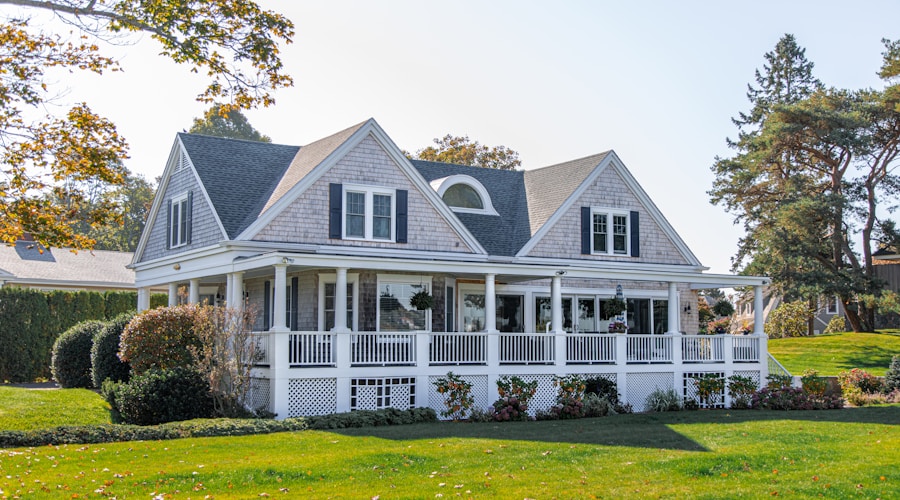
Selling waterfront property in Ontario requires a fundamentally different approach than selling a suburban house. The buyer pool is smaller and more specialized. The features that drive value are different: a clean shoreline and solid dock matter more than granite countertops. The due diligence process is more complex because buyers need to evaluate water quality, septic systems, shoreline stability, and regulatory constraints that do not apply to inland homes. And timing matters enormously, because the appeal of waterfront property is seasonal in a way that affects both buyer interest and the ability to showcase the property at its best.
The waterfront market in Ontario has been volatile in recent years. The surge of pandemic-era buying pushed prices to historic highs in 2021 and 2022, followed by a correction as interest rates rose and the urgency to escape the city faded. The current market is more balanced, with informed buyers who do thorough research and negotiate firmly. In this environment, the sellers who achieve strong results are the ones who prepare strategically, price honestly, and present their property in a way that connects with what waterfront buyers actually value.
Timing Your Listing for Maximum Impact
The optimal time to list waterfront property in Ontario is late spring, specifically April through early June. There are practical and psychological reasons for this window. Practically, the property can be shown with the dock in, the water accessible, and the landscape green. Buyers can see the shoreline, walk the path to the water, stand on the dock, and experience the property as they would use it. Psychologically, spring listings tap into the anticipation of summer. A buyer who closes in May or June has an entire season ahead to enjoy their new waterfront, and that excitement drives both urgency and willingness to pay.
Fall and winter listings present significant challenges. Buyers cannot see the dock, the beach, or the water in its usable state. The shoreline is often obscured by snow or ice. The approach to the water may be hidden. Seasonal features that represent a major part of the property's value are invisible or require the buyer to imagine them from photographs. While serious waterfront buyers shop year-round, the pool of active buyers shrinks substantially after Labour Day, and the emotional pull of summer water views is simply absent when you are standing in the snow looking at a frozen lake.
There is one exception to the spring-first rule. If your property is marketed as a year-round home with winter appeal, such as a winterized waterfront residence in an active community, a late fall or early winter listing can work. Some buyers specifically want to see how a waterfront home performs in the season that tests it most. But for the majority of seasonal cottages and waterfront properties, spring is the season that sells.

Preparing the Property: What Waterfront Buyers Notice
Waterfront buyers notice different things than suburban home buyers. The path to the water, the condition of the dock, the clarity of the shoreline, and the quality of the water view are the first impressions that matter most. A beautifully renovated kitchen will not compensate for a rotting dock, an eroded shoreline, or a blocked view of the water. Focus your preparation budget on the features that waterfront buyers prioritize.
The dock is the centerpiece. Get it in the water early, and get it in excellent condition. Replace any damaged boards or sections. Ensure it is level and stable. Clean it thoroughly. If the dock is old and visibly worn, replacing it before listing can be a worthwhile investment, because a neglected dock signals neglected waterfront and makes buyers wonder what else has been deferred. Understanding the true cost of dock ownership helps you present realistic maintenance expectations to potential buyers.
The shoreline should be tidy and appealing. Address any obvious erosion issues, or at minimum have a professional assessment completed and available for buyers to review. Clear debris from the waterfront area. If there is a beach, rake it. If the approach to the water involves stairs, make sure the stairs are solid, safe, and have secure handrails. The path from the house to the water should be clear, well-maintained, and inviting. This path is the experiential journey that connects the house to the reason someone buys waterfront, and it should feel like an invitation rather than an obstacle.
Inside the house, focus on the basics: cleanliness, good repair, and showcasing the water views. Remove anything that blocks or diminishes the view from primary rooms. Clean windows so the lake sparkles rather than appearing through a film. If the property is a seasonal cottage, present it as a comfortable retreat rather than trying to make it look like a year-round home. Buyers purchasing a cottage expect cottage character. Trying to stage a three-season cottage as a modern home can feel forced and inauthentic.
Critical Inspections and Disclosures
Waterfront properties involve systems and conditions that require disclosure and ideally pre-listing inspection. Being proactive about these issues builds buyer confidence and prevents deals from collapsing during due diligence.
Have the septic system inspected by a licensed professional and make the report available. Septic issues are the single most common deal-breaker in waterfront transactions. A failing system can cost $20,000 to $50,000 to replace, and its discovery during due diligence frequently kills deals. For properties with septic systems near water, buyers increasingly insist on inspection as a condition of any offer. Similarly, have well water tested for bacteria and nitrates and make results available.
Shoreline conditions, including erosion history and flood risk, should be documented and disclosed. Buyers who discover these issues on their own lose trust and walk away. Buyers informed upfront can make confident decisions. The relationship between shoreline erosion and property value is well understood by experienced waterfront buyers, and transparency works in your favour.
Pricing Strategy: The Waterfront-Specific Challenge
The waterfront market is thin, meaning few comparable sales exist in any given area. Unlike suburban markets where dozens of similar homes sell nearby each year, waterfront properties are individually unique. Water depth, bottom type, sun exposure, wind protection, and privacy create a value matrix that simple price-per-square-foot comparisons cannot capture.
Overpricing is the most costly mistake. An overpriced property sits through the critical spring and summer season, becoming stale. A listing that lingers for 90 or 120 days signals that something is wrong. Price reductions after extended market time rarely generate the interest that correct pricing generates at launch.
Work with an agent who specializes in waterfront sales and has recent transaction data for your specific lake or shoreline. A general residential agent who occasionally sells a cottage may lack the nuanced understanding of what drives waterfront pricing. The specific features that differentiate waterfront value, such as sunset versus sunrise exposure, sandy versus rocky bottom, deep water versus shallow water, and the common myths about waterfront property value, require specialized market knowledge that comes from focused experience.

Marketing the Waterfront Lifestyle
Waterfront buyers are buying a lifestyle, not just a building. The most effective marketing for waterfront property connects emotionally with the life the buyer imagines living there. This means the marketing must showcase the water experience, not just the house.
Professional photography is essential. The photo set should include shots from the dock, shots from the water looking back at the property, views from primary living areas, and the property in golden hour light. Drone photography reveals the shoreline, water depth, and broader setting in ways ground-level shots cannot. Video tours from the water, showing a slow approach by boat to the dock and shoreline, create emotional first impressions that static photos cannot replicate.
The listing description should emphasize the waterfront experience: water activities, sunset orientation, privacy, fish species, and the character of the lake. Include practical details buyers look for, such as water depth at the dock, bottom type, and the condition of the dock and its permit status. The buyer who falls in love with the waterfront will tolerate building imperfections, but they will not tolerate surprises about water access or hidden costs.
Navigating the Offer and Closing
Waterfront transactions typically involve more conditions and a longer closing timeline than urban sales. Buyers may require conditions for septic inspection, well water testing, shoreline assessment, building inspection, and review of conservation authority regulations. Access rights and boundaries deserve particular attention. Easements, road allowances, and shared waterfront access arrangements should all be clearly documented. Buyers who discover access surprises after closing become unhappy owners and potential litigants.
Selling waterfront property successfully requires patience, preparation, and specialized professional support. The properties that achieve strong prices are honestly priced, beautifully presented, thoroughly documented, and marketed to the right buyer pool. For current market data, the Canadian Real Estate Association provides regional statistics to help calibrate pricing expectations.
By Nora Finch, Real Estate Correspondent