Waterfront Property Value Myths That Cost Buyers Money
The assumptions about waterfront values that lead buyers and owners into expensive mistakes

Waterfront property in Ontario is expensive, and people who pay premium prices for it naturally develop strong beliefs about what their investment is worth and where it is headed. These beliefs are reinforced by real estate marketing, dinner party conversations, and the powerful emotional attachment that comes with owning a place on the water. The problem is that many of these beliefs are myths, repeated so often and so confidently that they have acquired the weight of established fact. Acting on them leads to overpaying, underinsuring, neglecting critical maintenance, and making financial plans based on assumptions that the market does not support.
Whether you are buying your first waterfront property, contemplating selling, or simply trying to understand what your investment is actually worth, separating myth from reality is essential. Here are the most persistent myths about waterfront property values in Ontario, and the market realities behind each one.
Myth: Waterfront Property Always Goes Up in Value
This is the most widespread and most dangerous myth in waterfront real estate. The belief that waterfront is a guaranteed appreciating asset has been the justification for countless purchases at prices the buyer could not otherwise afford. The reasoning goes like this: they are not making any more lakefront, demand will always exceed supply, and therefore the price can only go up. The logic sounds airtight. The historical record tells a different story.
While waterfront property in Ontario has generally appreciated over long periods of 20 years or more, the path has been anything but smooth. The 2008 financial crisis saw waterfront values in several Ontario markets decline by 10 to 25 percent, and some properties took five to seven years to recover. The pandemic-era surge in cottage country prices, which saw some markets increase by 40 to 60 percent between 2020 and 2022, has already corrected significantly in many areas. Buyers who purchased at the peak of the frenzy in 2021 and 2022 found themselves with properties worth less than they paid within two years.
Beyond market cycles, individual properties can lose value permanently due to factors specific to their location. Properties affected by recurring algae blooms, persistent water quality problems, accelerating shoreline erosion, or invasive species infestations can see their values stagnate or decline even while the broader market rises. A cottage on a lake that develops a reputation for poor swimming conditions does not benefit from the general trend of waterfront appreciation. The myth that waterfront always goes up ignores these realities and gives buyers a false sense of security about overpaying.
Myth: The View Is Everything
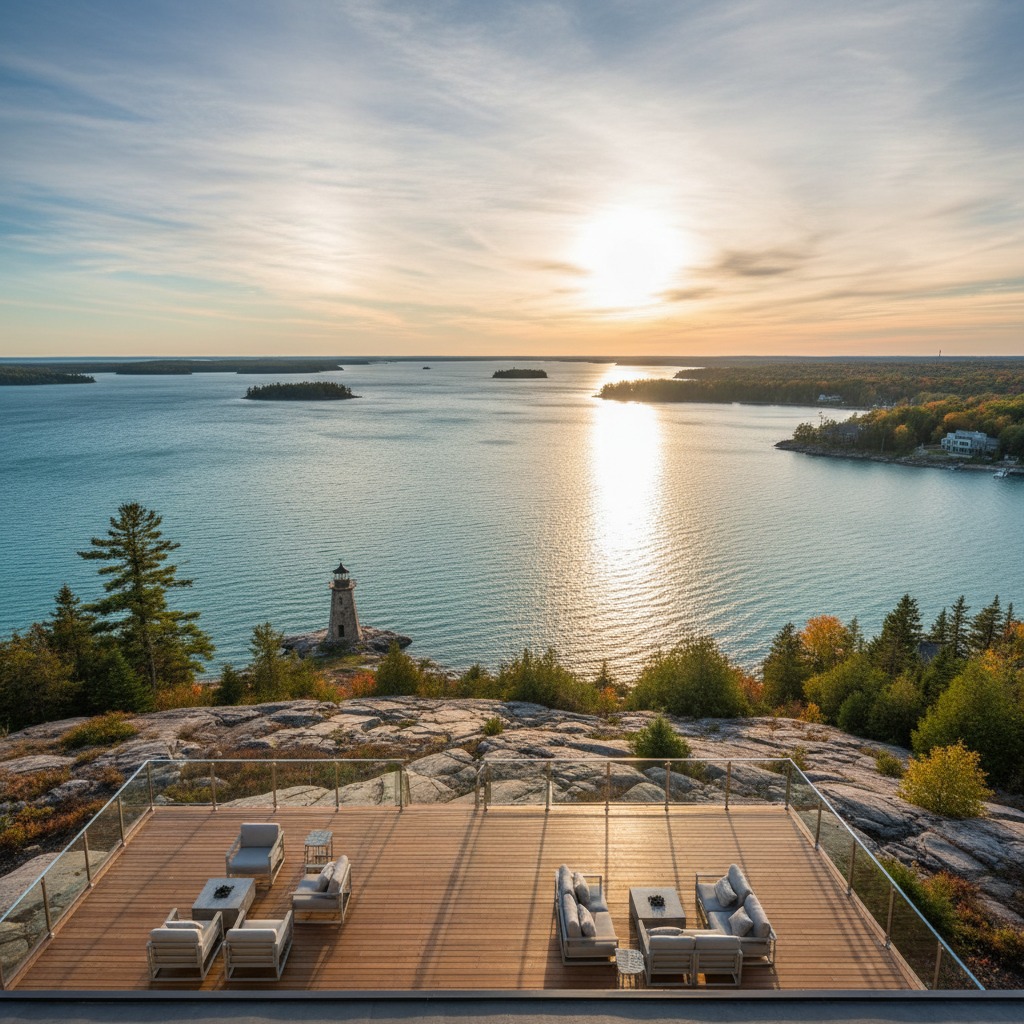
Real estate agents love to talk about the view, and buyers fall in love with it. A sweeping panorama of open water, a sunset over the lake, a morning mist rising off the bay: these scenes sell properties. But research and market data consistently show that water access is more valuable than the view itself. A property with a stunning elevated view but a steep, unusable shoreline and no practical way to reach the water will typically sell for less than a property with a modest view and a gentle, sandy beach where you can swim, launch a kayak, and dock a boat.
The distinction matters because many buyers allow the view to override their assessment of the property's functional characteristics. They stand on the deck, look at the water, and stop thinking critically about the things that will affect their daily enjoyment and the property's long-term value. The quality of the shoreline, the depth and cleanliness of the water at the waterfront, the suitability for swimming and boating, and the ease of maintaining a dock all contribute more to the property's real-world utility and market value than the view from the living room window.
Views do matter, and properties with exceptional views command legitimate premiums. But the premium for a view without usable water access is far smaller than most buyers assume. When evaluating a waterfront property, assess the water access first and the view second.
Myth: Renovating Adds Dollar-for-Dollar Value
The belief that every dollar spent on renovations adds a dollar to the property's value is widespread in all real estate, but it is especially persistent among waterfront owners. In reality, the return on renovation investment varies widely and is often significantly less than the cost.
Kitchen and bathroom renovations on waterfront properties typically return 50 to 75 cents on the dollar, consistent with inland properties. High-end finishes in a modest cottage can actually hurt the return because the total value of the home pushes past what the market will pay for that location. A $200,000 kitchen renovation in a cottage on a small lake does not add $200,000 to the sale price. It may add $80,000 to $120,000, if that.
The renovations that consistently add the most value relative to cost on waterfront properties are those addressing functional deficiencies that limit the buyer pool. Replacing a failing septic system, upgrading old electrical to modern standards, improving insulation and winterization for year-round use, and repairing or replacing a deteriorating dock remove barriers to sale and expand the number of potential buyers. These practical improvements offer better returns than cosmetic upgrades because they address the concerns that cause buyers to walk away or reduce their offers.
Myth: Assessment Equals Market Value
Many waterfront owners use their MPAC assessment as a proxy for market value, either celebrating when the assessment goes up (their property is worth more) or lamenting when it seems too high (their taxes are too much). In reality, the MPAC assessment and the actual market value of a property can diverge significantly. MPAC uses mass appraisal techniques that apply general market trends and property characteristics to estimate value. These techniques do not capture unique features, whether positive or negative, that affect what a specific buyer will actually pay.
Two properties with identical assessments can sell at very different prices depending on factors the assessment model does not fully capture: the quality of the sunset view, the neighbour's barking dog, the reputation of the lake, the condition of the road, and dozens of other variables that matter to real buyers. Understanding actual market value requires a comparative market analysis by a qualified real estate professional who knows the specific waterfront market. Relying on the assessment for buying, selling, insurance, or financial planning can lead to significant miscalculations. For more on how assessments affect your finances, see our guide to waterfront property taxes in Ontario.

Myth: Waterfront Is Waterfront
Not all waterfront is created equal, and treating it as a single category is a mistake that leads buyers to overpay for inferior locations. The value difference between waterfront on a large, clean, well-regarded lake and waterfront on a small, weedy, algae-prone pond can be enormous. Similarly, the difference between a sheltered bay with calm water and an exposed shoreline that takes the full force of prevailing winds affects both enjoyment and property value.
Within the same lake, values can vary dramatically based on orientation (west-facing sunset shorelines typically command premiums), water depth at the shoreline, shoreline type (sandy beach versus rocky shelf versus marshy wetland), and proximity to public launches and commercial areas. The type of water body matters too. River frontage and pond frontage have different value dynamics than lake frontage. According to the Ontario Real Estate Association, location-specific research is essential for accurate pricing. Doing that research is far more useful than applying general assumptions about "waterfront property" as a category.
Myth: You Can Always Build or Expand Later
Many buyers purchase a waterfront property with the assumption that they can renovate, expand, or rebuild as their needs and budget allow. In practice, building near water is heavily regulated in Ontario, and the regulations have been getting stricter, not looser, over time. Conservation authority development permits, municipal zoning bylaws, setback requirements, lot coverage restrictions, and environmental protections can all limit what you are allowed to do on your property.
Properties in flood zones or erosion hazard areas may have severe restrictions on expansion or even on rebuilding after fire or storm damage. A "tear down and rebuild" strategy that works in an urban neighbourhood may be impossible on a waterfront lot where the conservation authority requires a 30-metre setback and the existing cottage sits at 15. Before buying with renovation plans, verify exactly what is permitted. The answers may change your offer price significantly.
The waterfront market operates on its own set of rules, shaped by physical realities, regulatory constraints, and buyer psychology that differ from inland real estate. Understanding these realities rather than relying on comforting myths is what separates a well-informed waterfront purchase from an expensive mistake. Talk to local agents who specialize in waterfront, review actual sales data rather than listing prices, and approach every claim about "guaranteed" appreciation with healthy skepticism. If you are looking to sell, the same reality check applies. Understanding what your property is actually worth, rather than what you hope it is worth, is the foundation of a successful sale. Our guide to selling waterfront property covers the practical steps in detail.
By Rachel Timmons, Waterfront Market Analyst