Living on the waterfront in Ontario is a dream for many people. The reality, however, comes with a unique set of challenges that most buyers never anticipate until they are already holding the keys. From septic system regulations to erosion risks, from dock permits to flood insurance, waterfront property ownership is a world apart from living inland.
Our waterfront living coverage is designed for current and prospective waterfront homeowners who want honest, practical information. We cover the financial realities of property taxes that keep climbing, the regulatory maze of building setbacks and conservation authority rules, and the day-to-day maintenance that shoreline properties demand. We also explore the lifestyle side, from the differences between cottage and town waterfront to the challenges of aging in place near the water.
Whether you are thinking about buying your first waterfront property, trying to figure out what you can legally build on your lot, or looking for advice on selling in a changing market, our coverage cuts through the myths and gives you the information you need. Browse our waterfront living articles below.
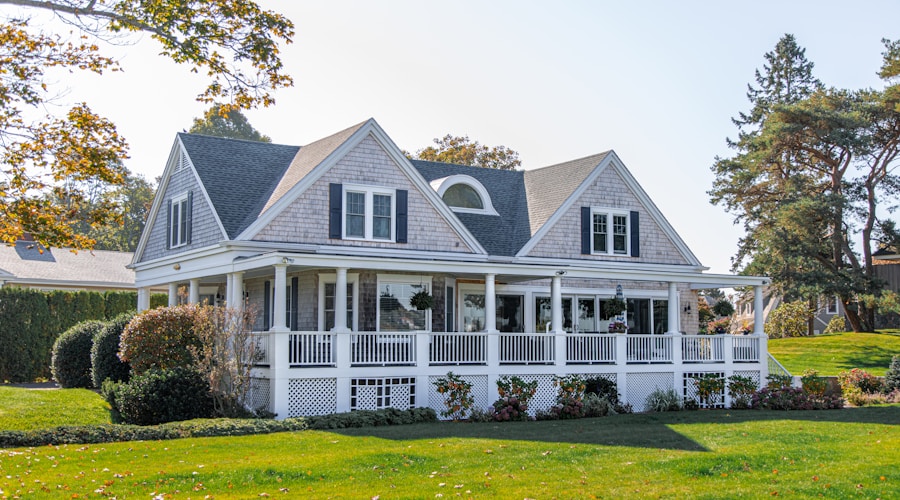
Selling a waterfront home requires a different strategy than selling a regular property. From staging the dock to timing the market, here is what works.
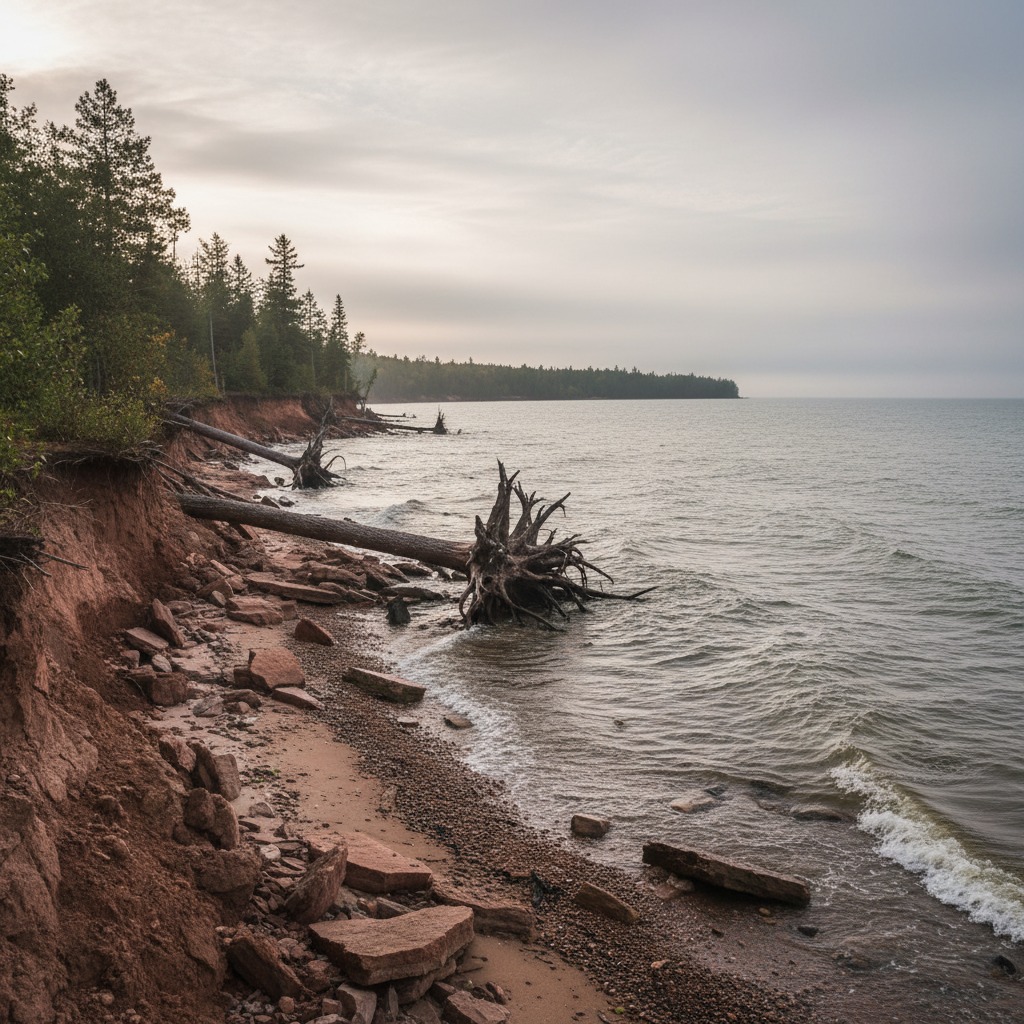
Waterfront property owners across Ontario are watching their land disappear. We look at the options, the costs, and the hard choices when erosion arrives.
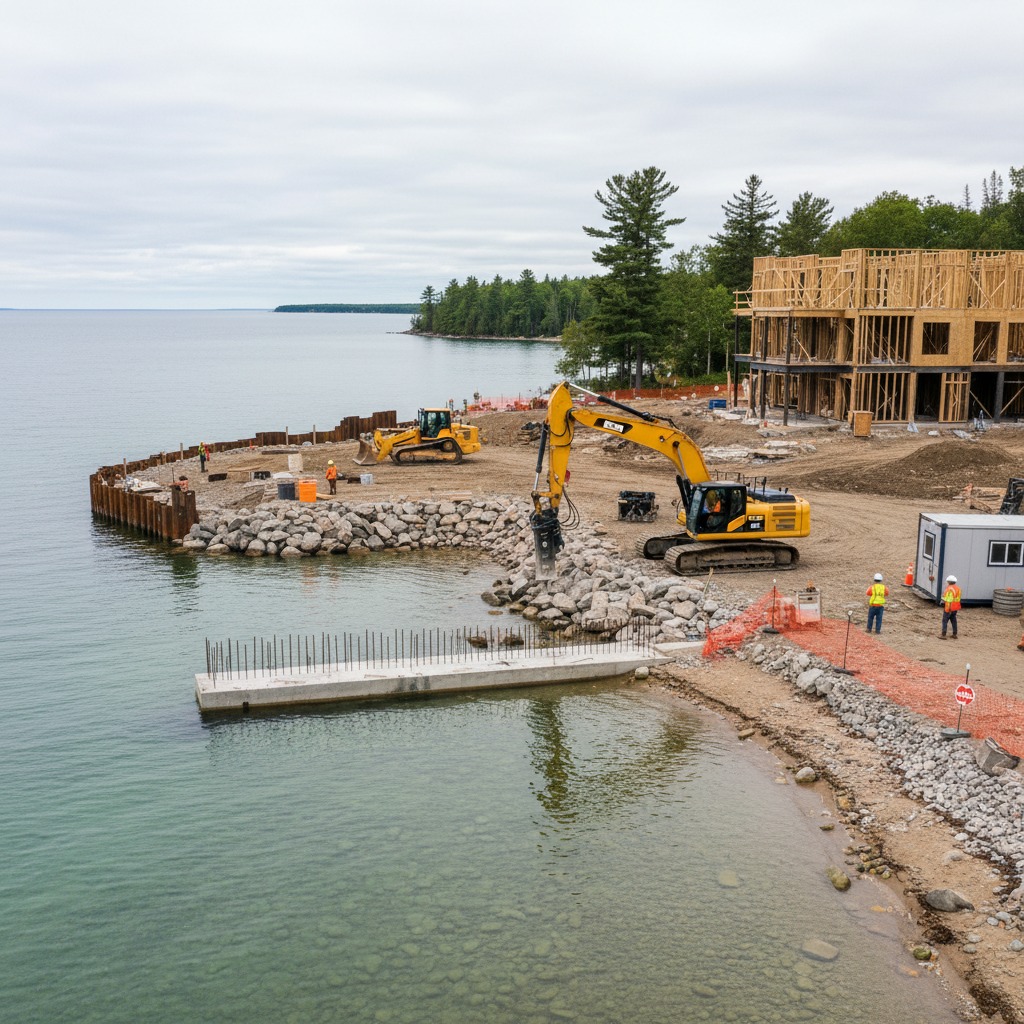
Building on waterfront property means navigating a complex web of setback requirements, survey rules, and regulations that many buyers discover too late.
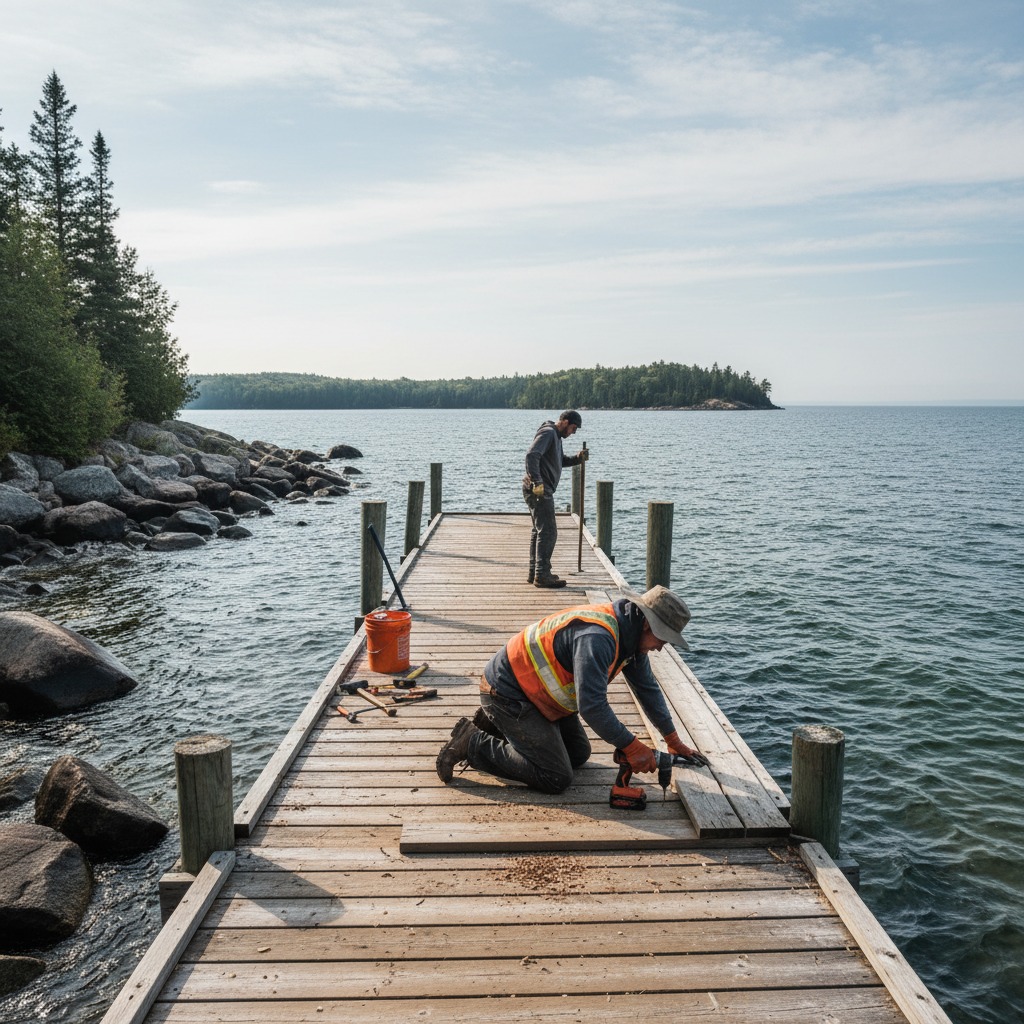
A dock is often the most valued feature of a waterfront property, but the true costs of ownership go far beyond the initial installation price.

Short-term rentals promise income, but waterfront rentals come with insurance headaches, neighbour conflicts, and municipal regulations that keep changing.

Shared waterfront access arrangements are common in Ontario and frequently become sources of conflict. We cover the legal landscape and practical realities.

Assumptions about waterfront property values lead to expensive mistakes. We debunk the most common myths and explain what actually drives prices.

Rural waterfront properties often rely on wells for drinking water, but proximity to the shoreline introduces contamination risks that owners must understand.
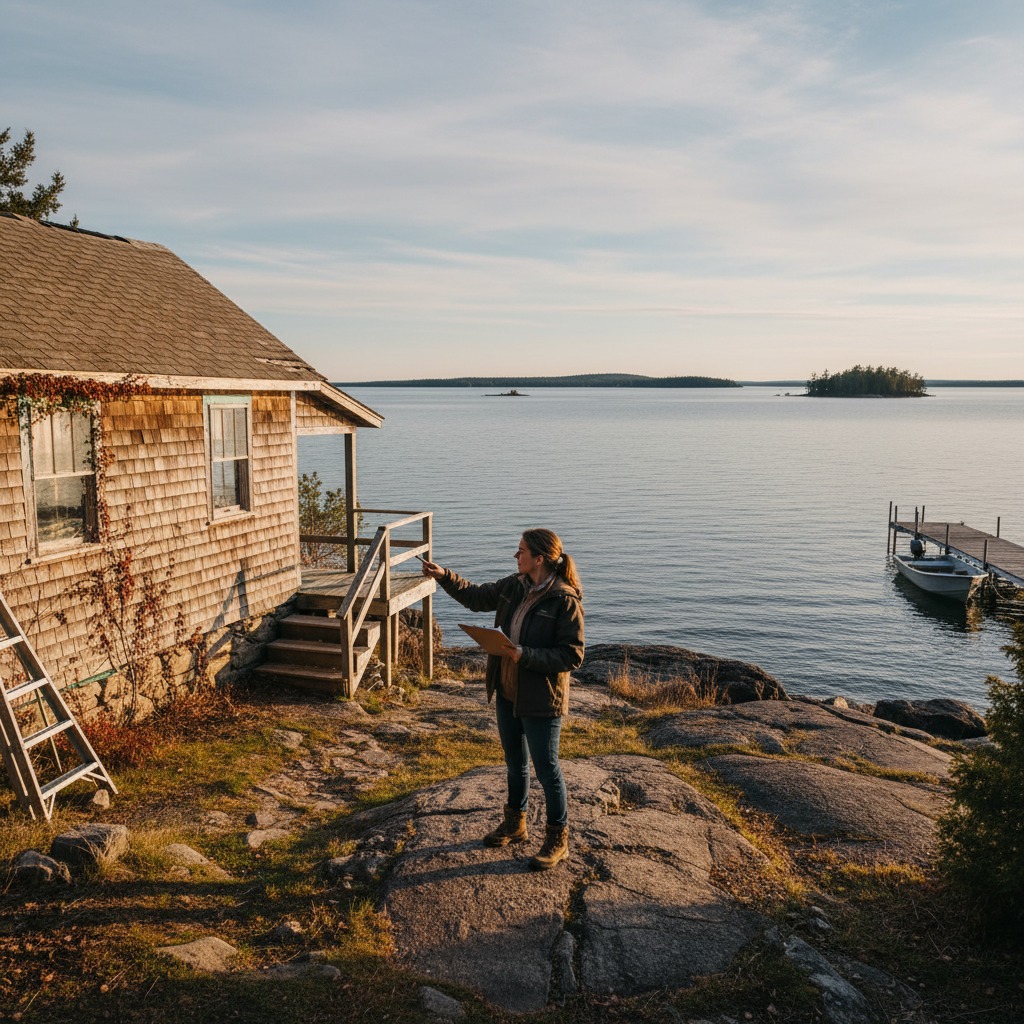
A standard home inspection is not enough for waterfront property. We cover the additional items that matter when buying near the water.
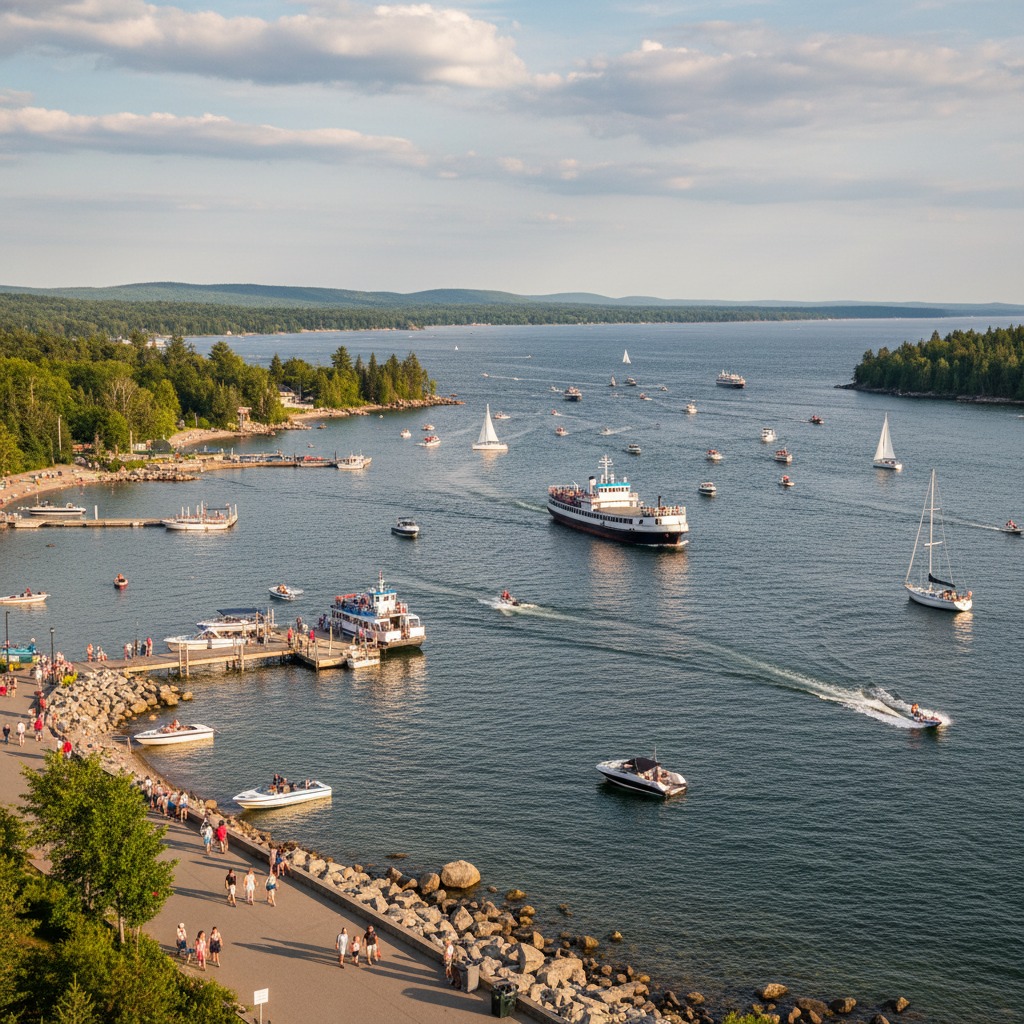
Sound carries across water, and waterfront living can create friction between neighbours. We cover the most common disputes and how to handle them.
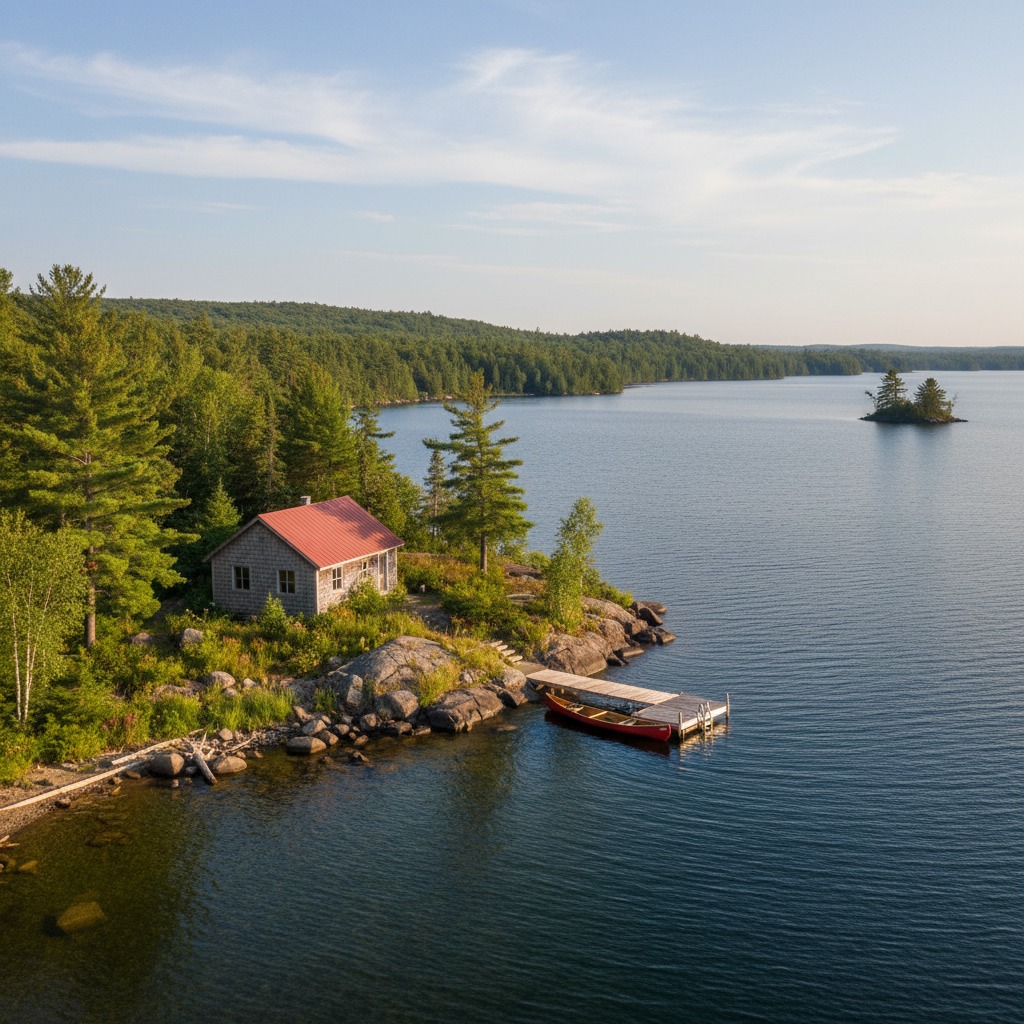
Cottage waterfront and town waterfront offer very different lifestyles. We compare the costs, the trade-offs, and the lifestyle factors that matter most.
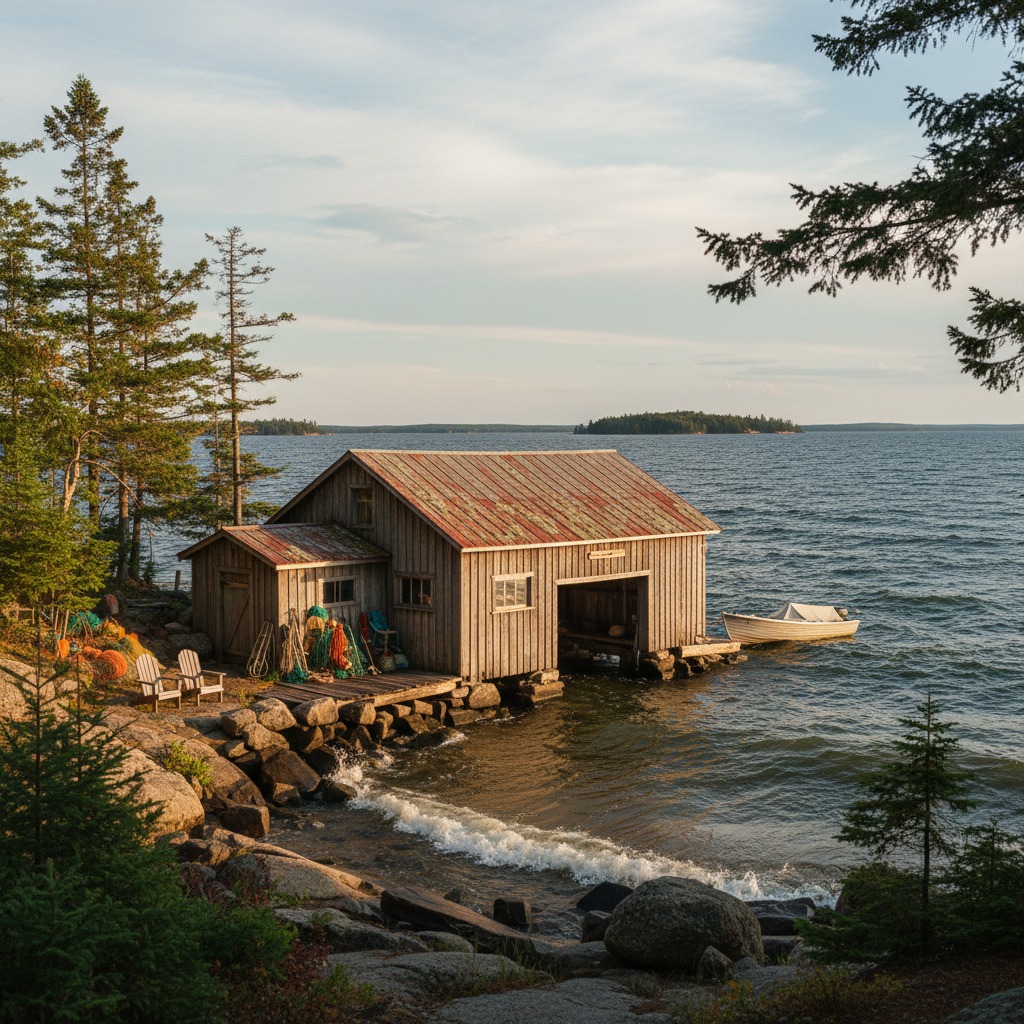
Building or renovating a boathouse in Ontario involves a maze of federal, provincial, and municipal regulations. Here is what property owners need to know.

Maintaining your shoreline is not optional when you live on the water. We cover the seasonal tasks that protect your property and the environment.
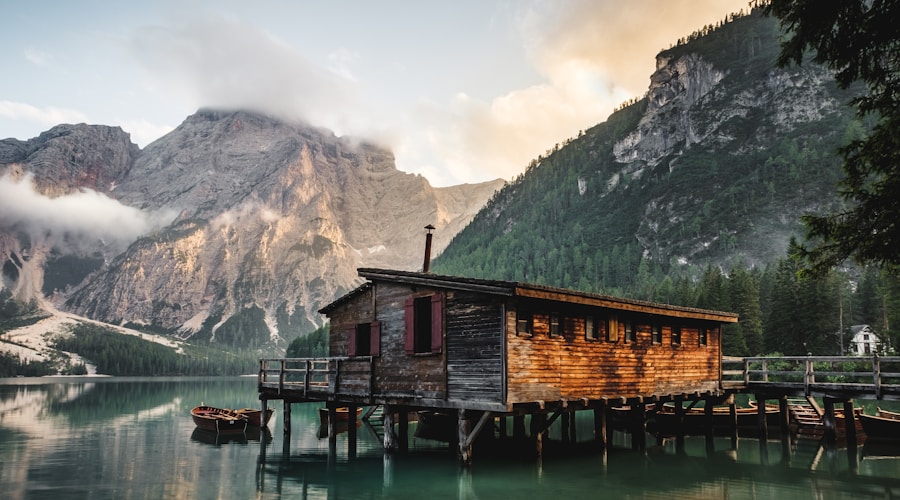
Year-round waterfront living means dealing with ice, snow loading, frozen pipes, and isolation. We cover what it really takes to stay through the winter.

Many waterfront homeowners plan to stay as they age, but the realities of stairs, docks, and rural healthcare access present challenges nobody mentions.
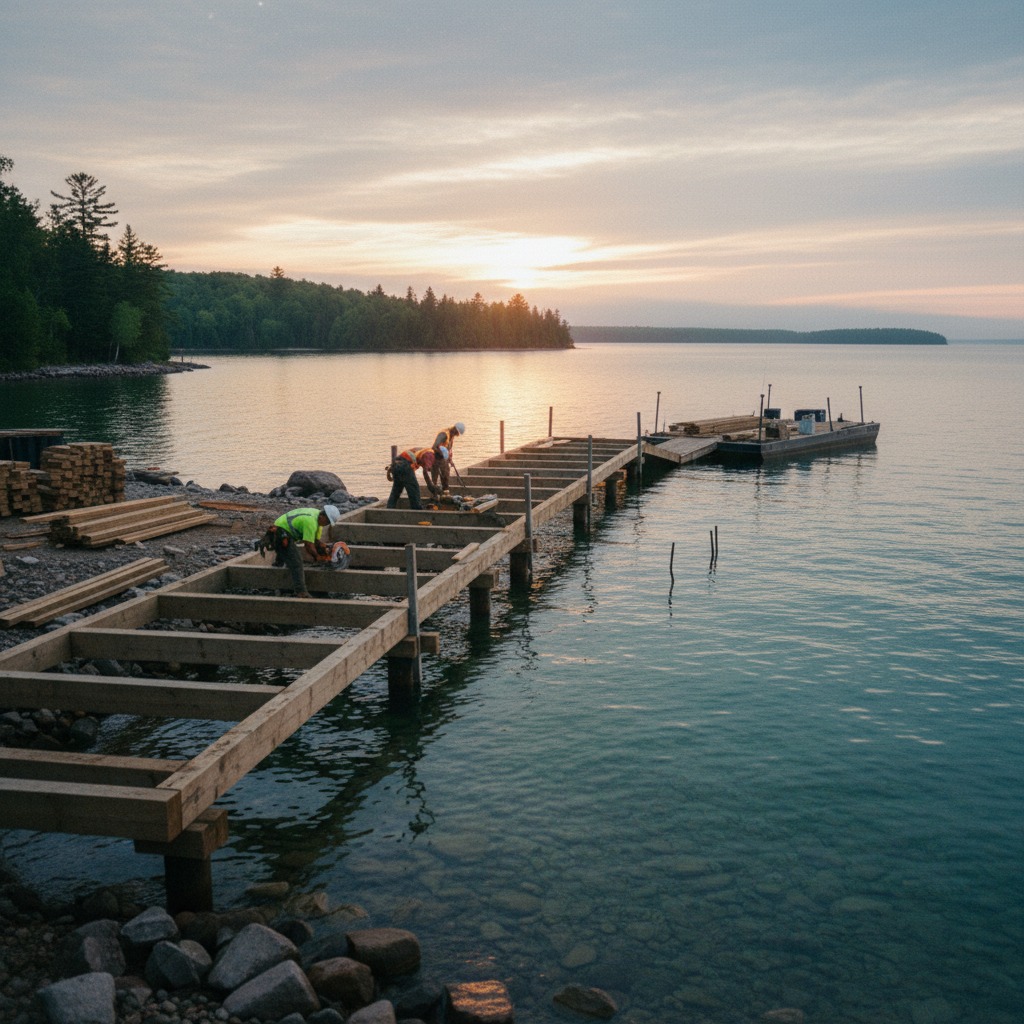
Building a dock in Ontario is not as simple as it looks. We break down the permit process, the agencies involved, and the rules that govern what you can put in the water.
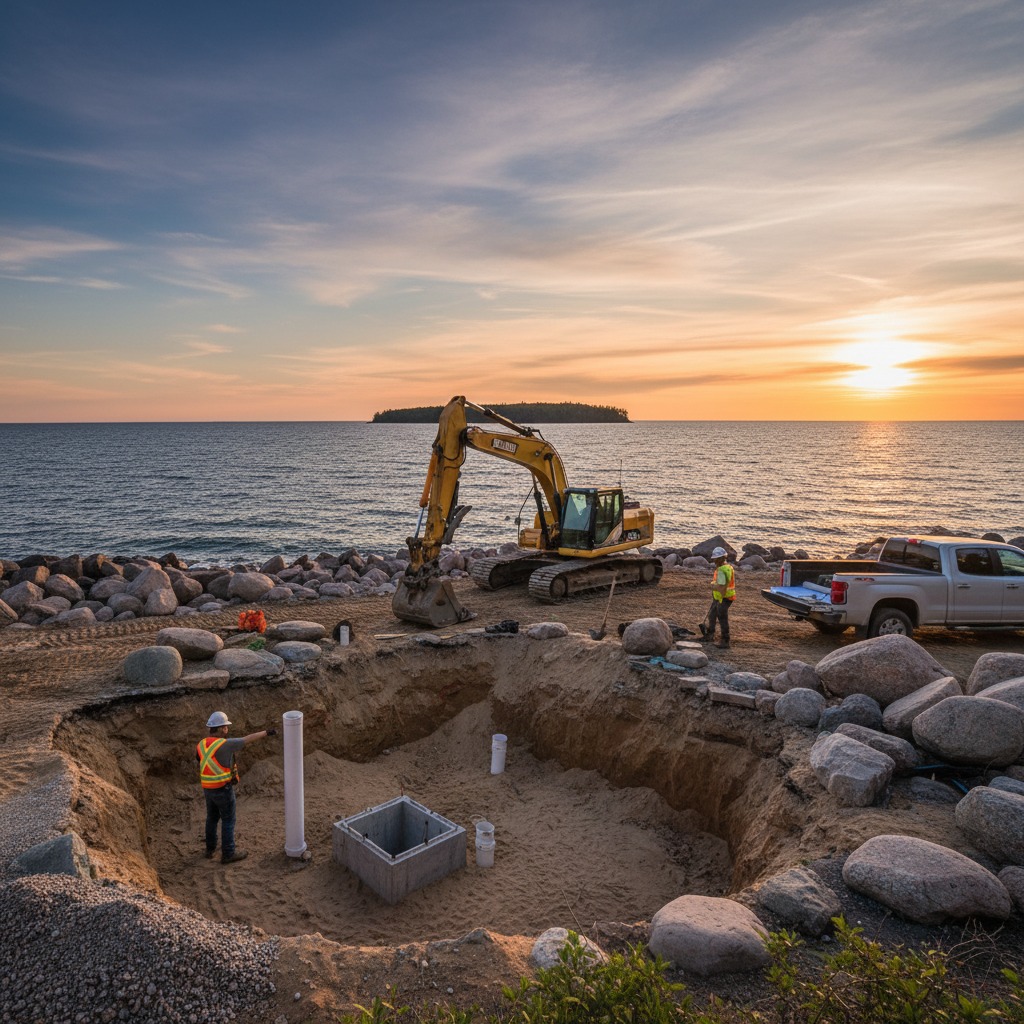
Septic systems near water require careful maintenance and compliance with strict regulations. Failure can contaminate the water and cost thousands to fix.

Waterfront property taxes in Ontario have been rising steadily. We explain the assessment process, the appeals options, and what drives the increases.
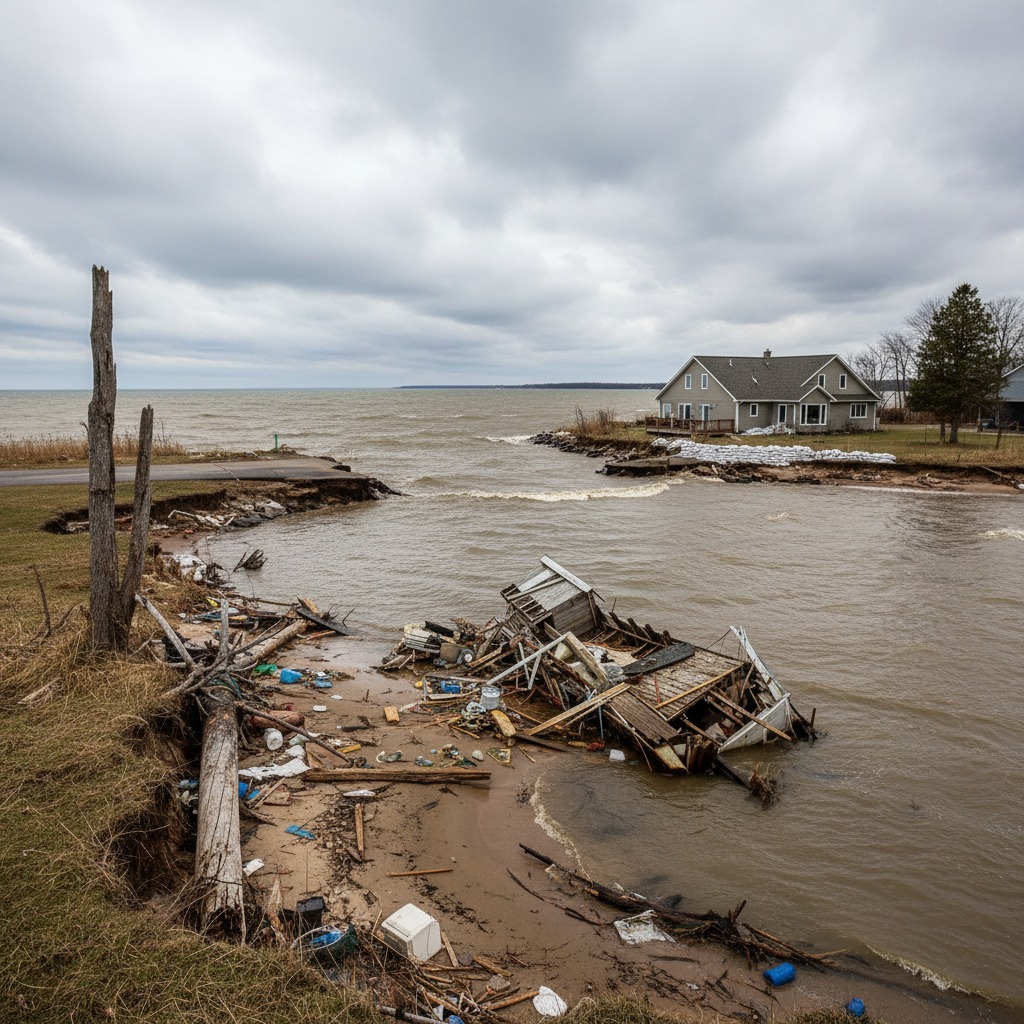
Flood insurance in Ontario is evolving but still leaves many waterfront homeowners exposed. We cover what is available, what it costs, and the gaps that remain.

Buying waterfront property in Ontario is exciting until the hidden costs, regulatory surprises, and maintenance demands start revealing themselves.