Ontario's shorelines are under pressure from every direction. Erosion eats away at bluffs and beaches. Invasive species crowd out native plants and wildlife. Stormwater runoff carries pollutants from roads and developments into the water. Climate change is driving unpredictable swings in lake levels that ripple through every community along the coast.
At The Shoreline Journal, our environment coverage digs into the science, the policy, and the people behind these issues. We talk to the researchers studying water quality, the conservation authorities enforcing shoreline regulations, and the volunteers planting native species along degraded riverbanks. We look at what is working, what is failing, and what comes next for the ecosystems that define life along the water.
From the algae blooms choking Lake Erie to the phragmites invasion spreading through coastal wetlands, these are stories that affect property owners, anglers, swimmers, and anyone who cares about the future of freshwater in Ontario. Browse our environment reporting below.
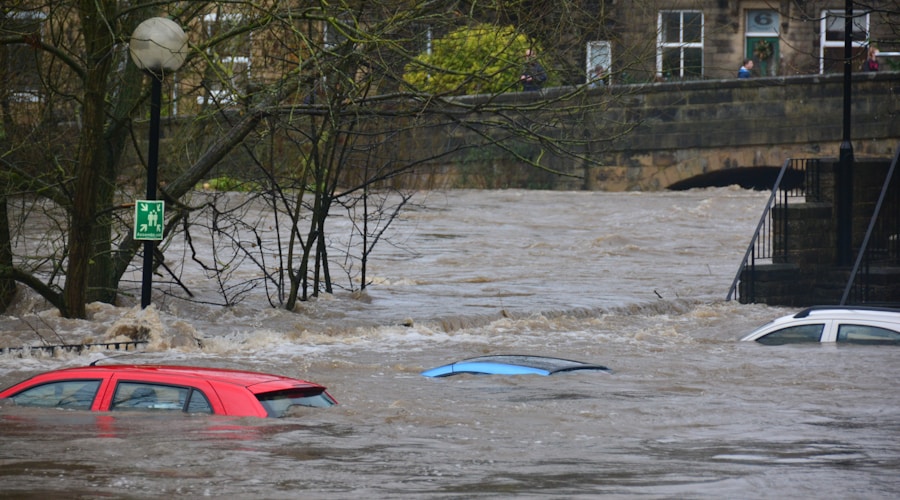
Every spring, rising waters threaten homes and infrastructure in small Ontario river towns. Why flooding keeps getting worse and what communities are doing about it.
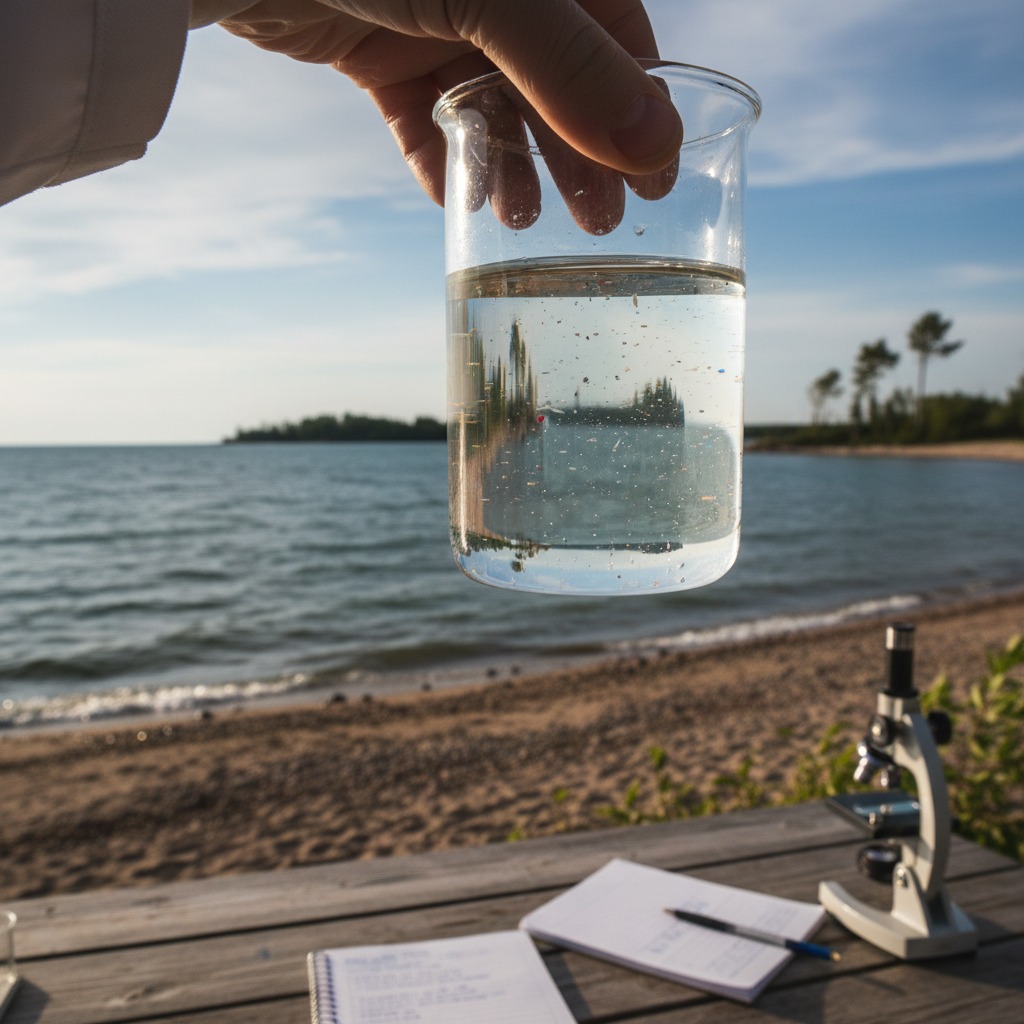
Tiny plastic particles are showing up in Ontario lakes, rivers, and drinking water. Researchers are racing to understand the scope and the risks.
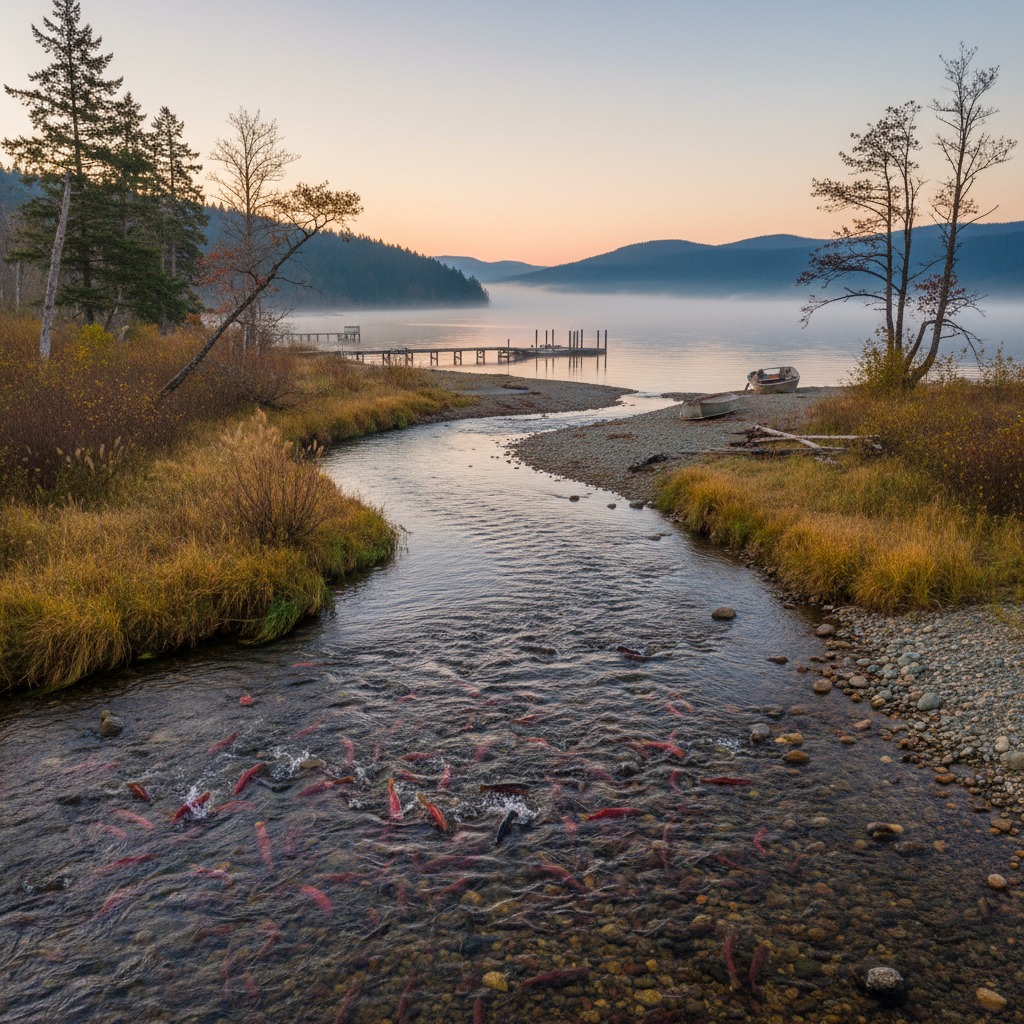
Fish need clean gravel beds and flowing water to reproduce successfully. When development threatens these areas, entire populations can collapse.
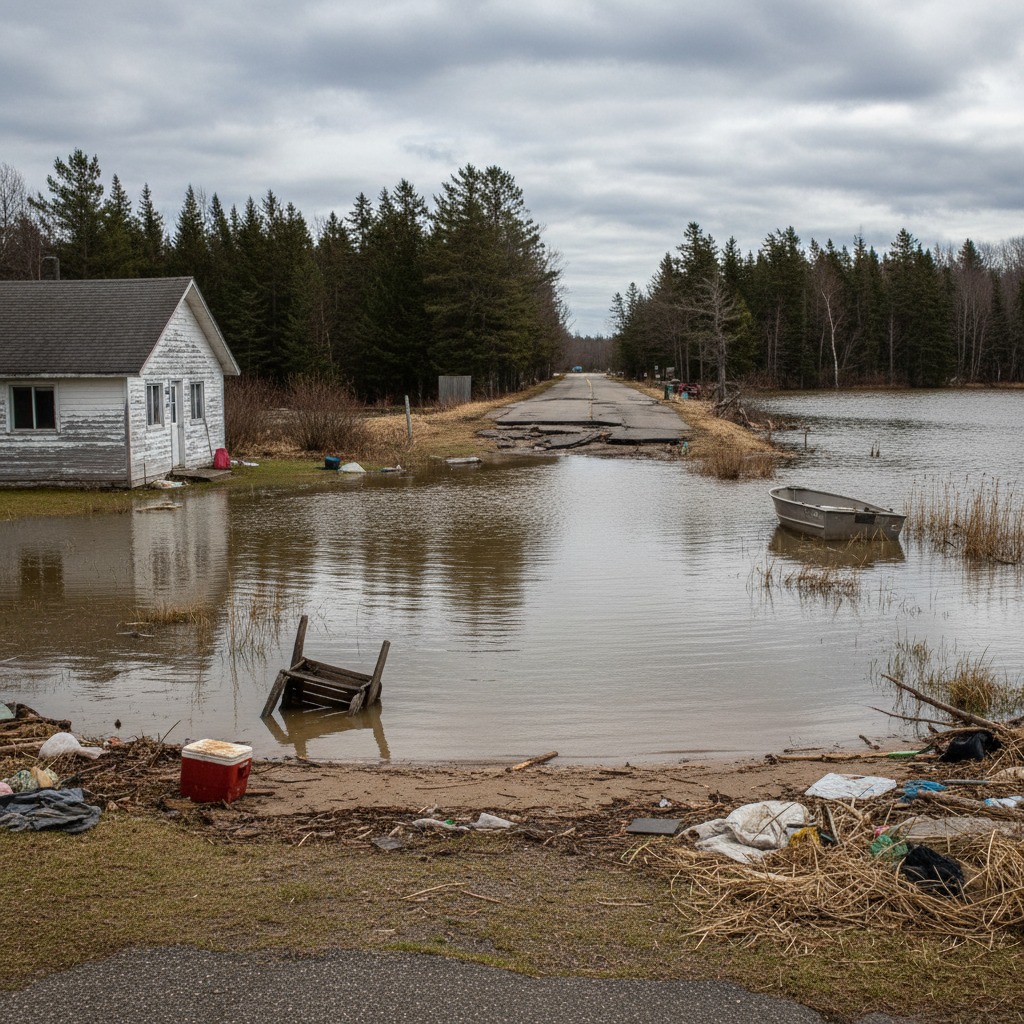
Water levels on the Great Lakes have always fluctuated, but climate change is making the swings more extreme and less predictable than ever before.
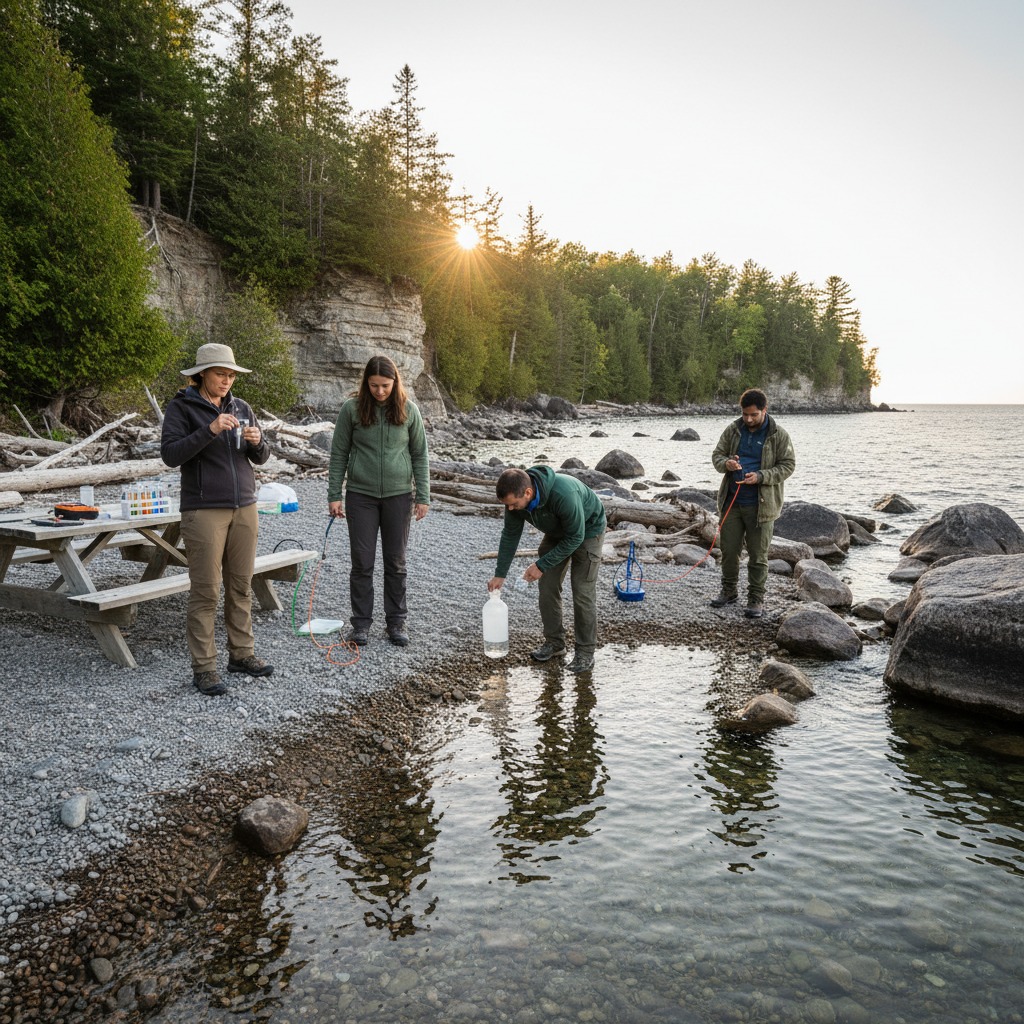
Volunteers across Ontario are collecting water samples, tracking species, and filling gaps that government monitoring programs cannot cover on their own.
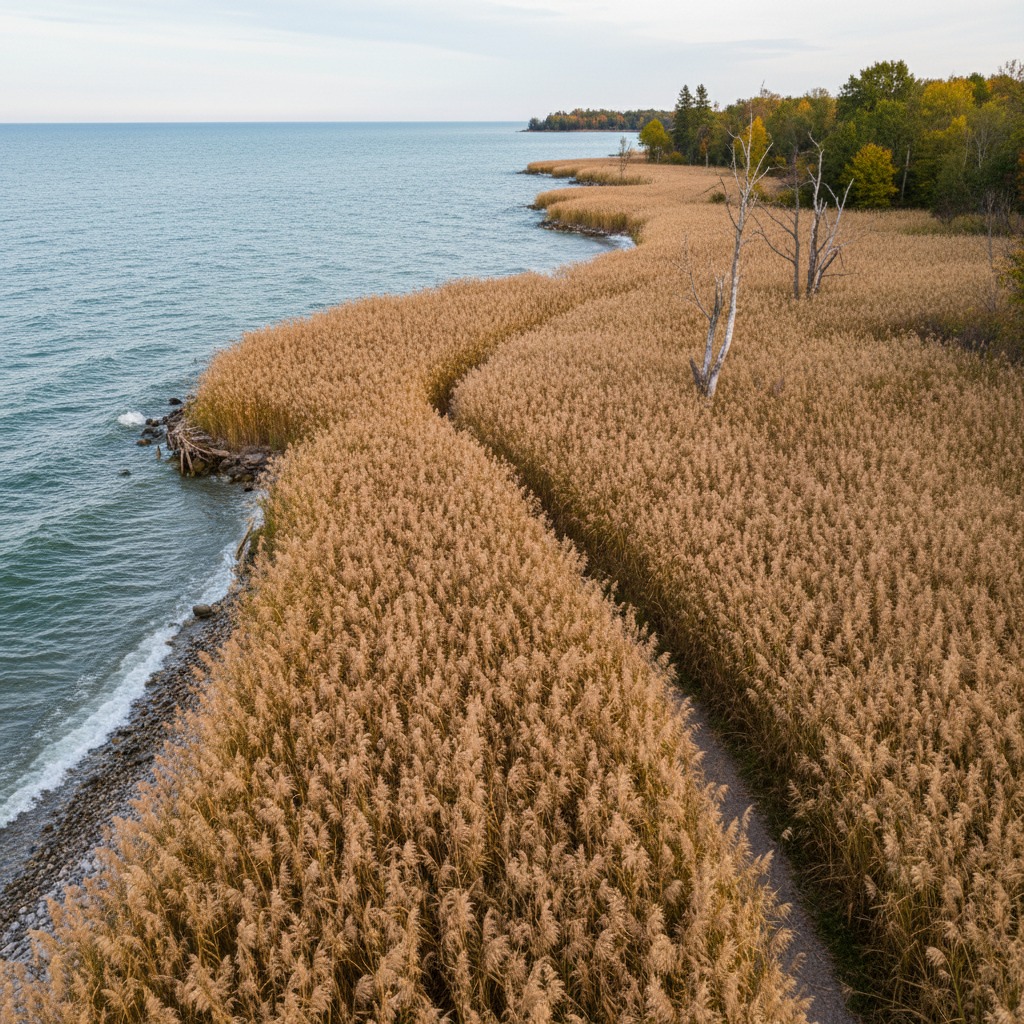
Phragmites australis is spreading across Ontario wetlands and beaches, crowding out native species and transforming coastal habitats at an alarming rate.
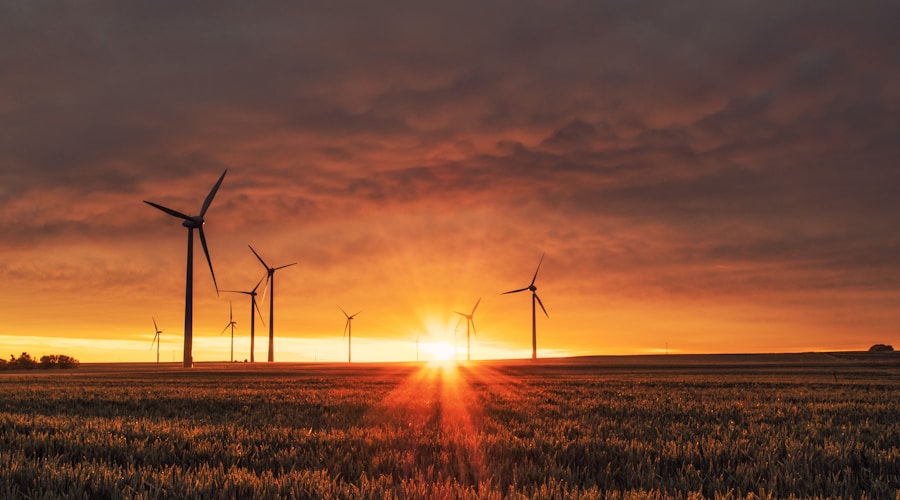
Across Ontario, communities are investing in shoreline restoration. These are the projects that delivered real results for water quality and habitat.
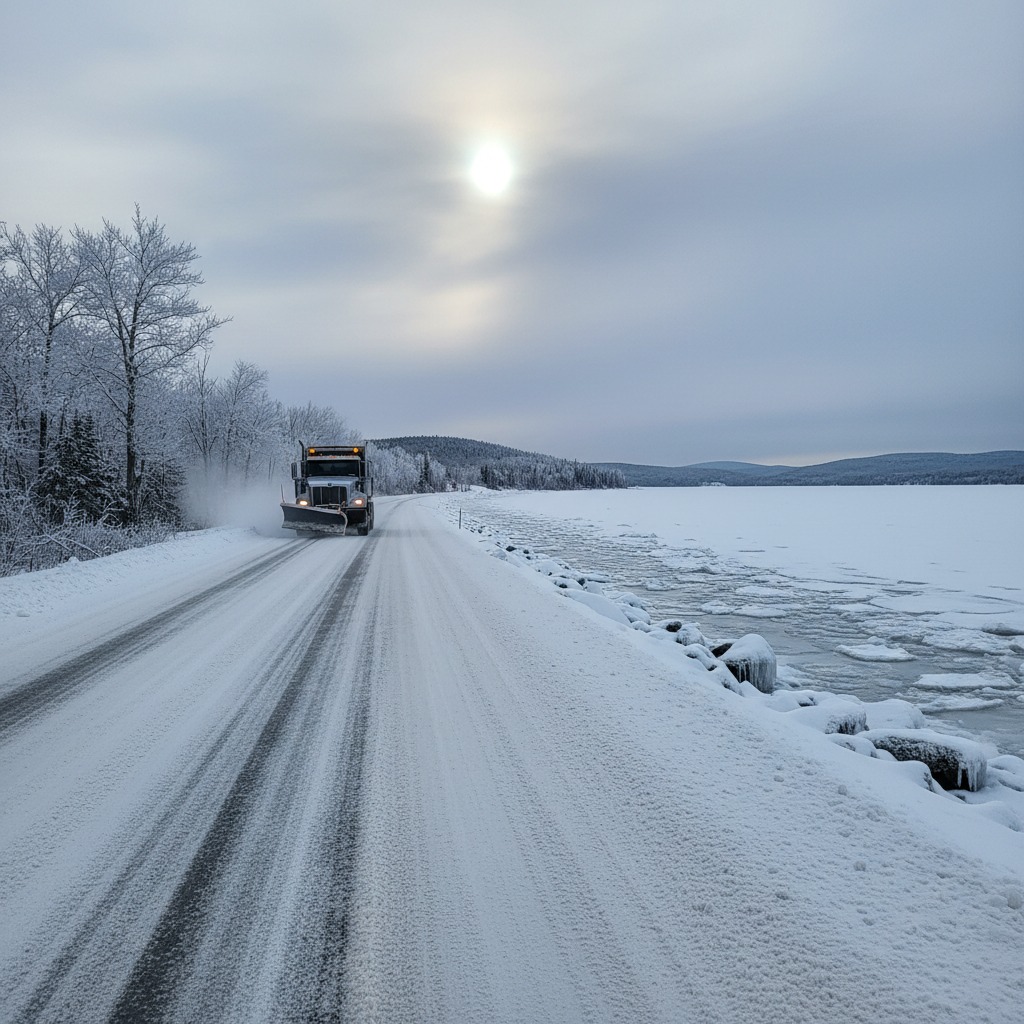
Millions of tonnes of road salt wash into Ontario waterways every winter, harming freshwater ecosystems in ways that are only now being fully understood.
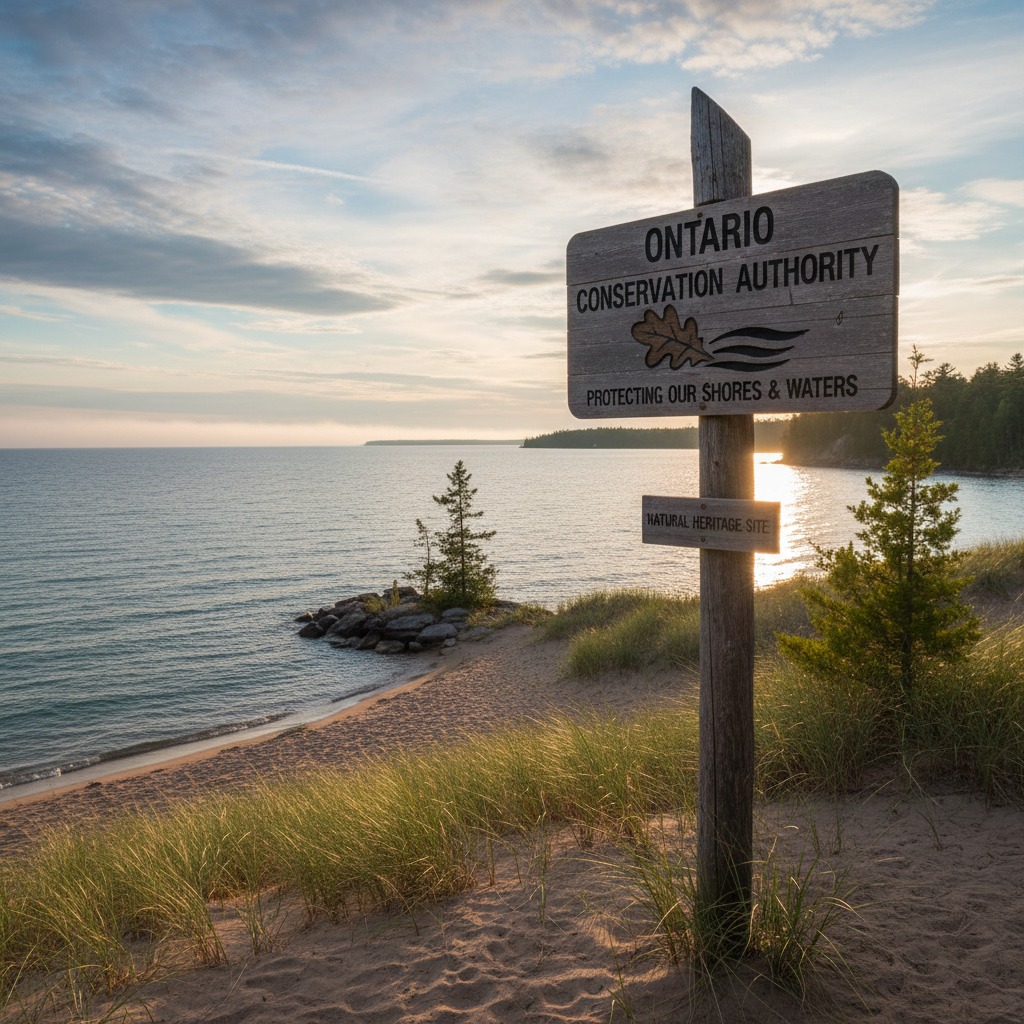
Conservation authorities play a critical role in managing what happens along Ontario shorelines, but their rules and reach are often misunderstood by property owners.
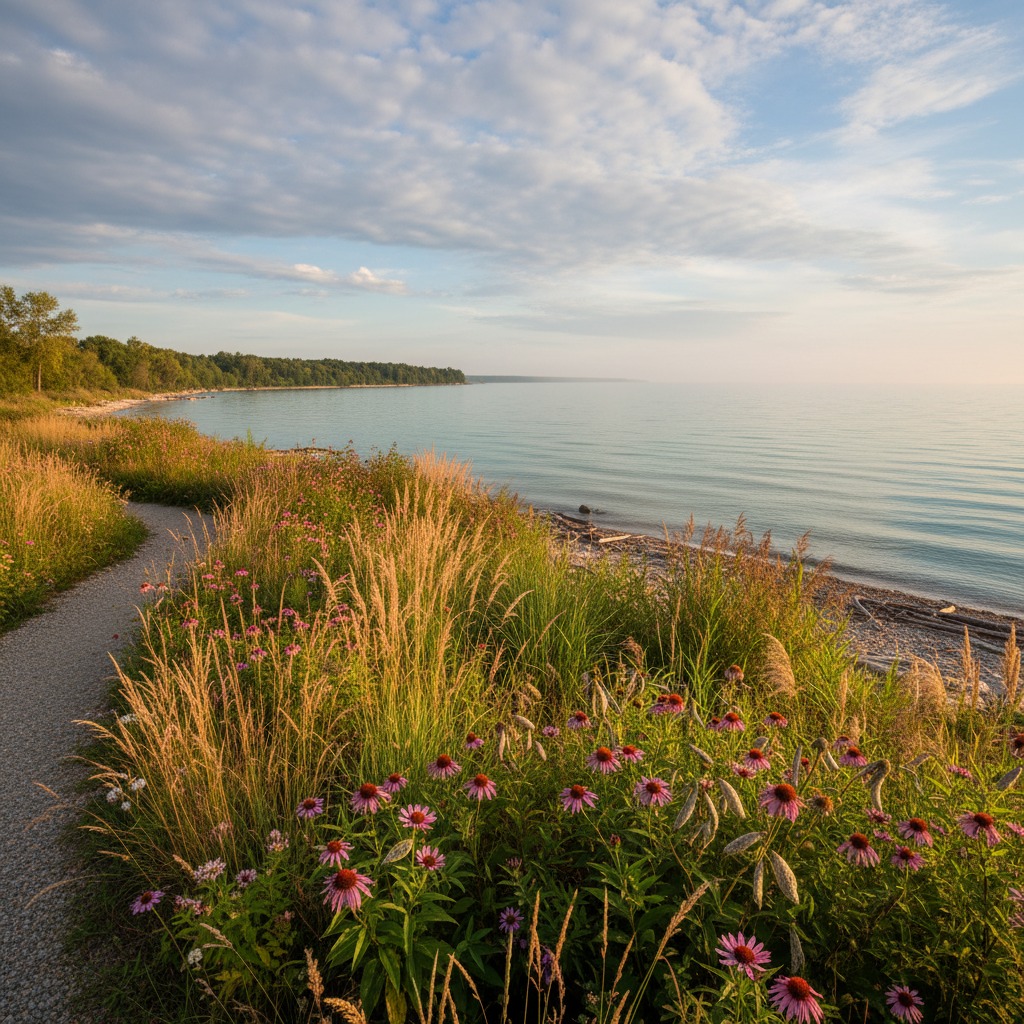
Replacing hard walls with native vegetation sounds appealing, but does the approach hold up in practice? We look at the evidence from Ontario projects.
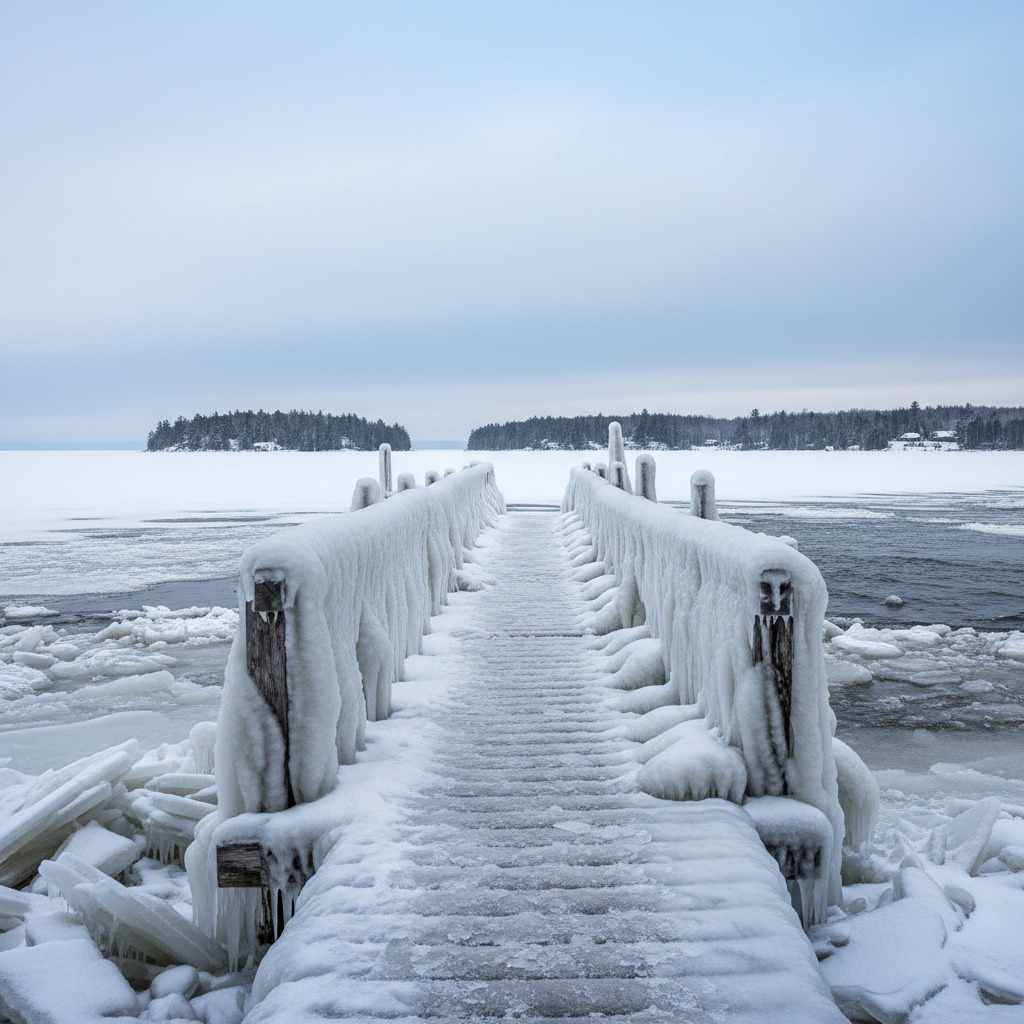
Ice heave, pressure ridges, and freeze-thaw cycles take a heavy toll on docks, retaining walls, and breakwaters across Ontario every winter season.
Beach postings and closures are becoming more common at small-town swimming areas. We examine the testing process, the causes, and what towns are doing to respond.
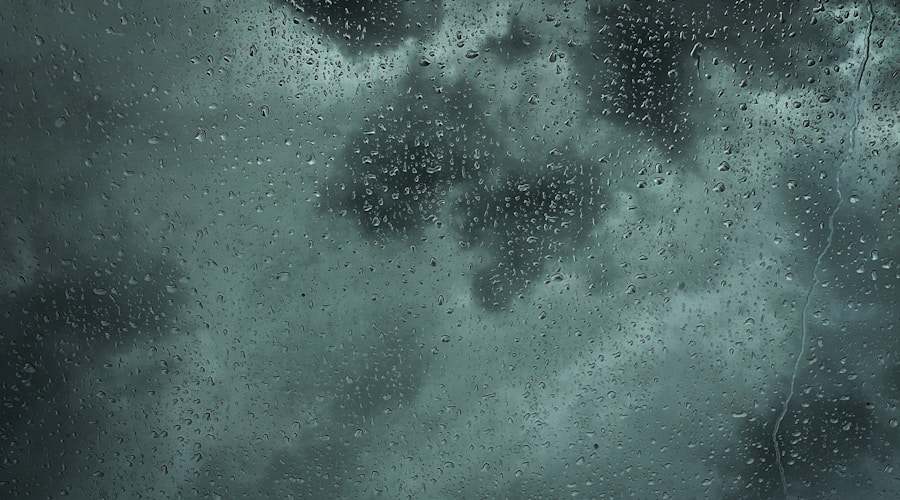
When it rains in a developed area, pollutants from roads, lawns, and parking lots flow directly into the nearest waterway. Waterfront towns face the consequences first.
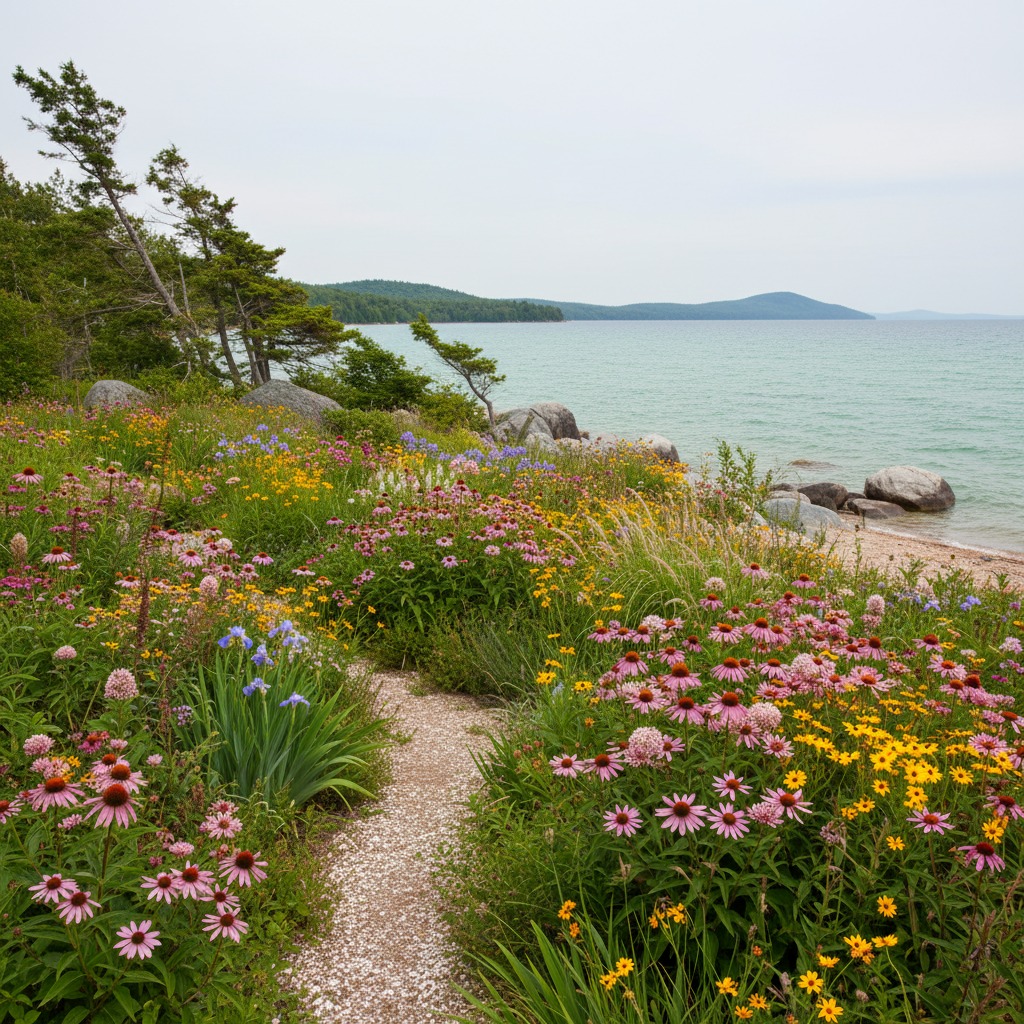
Planting native species along your shoreline does more than look good. The right plants can prevent erosion, filter runoff, and support pollinators and wildlife.
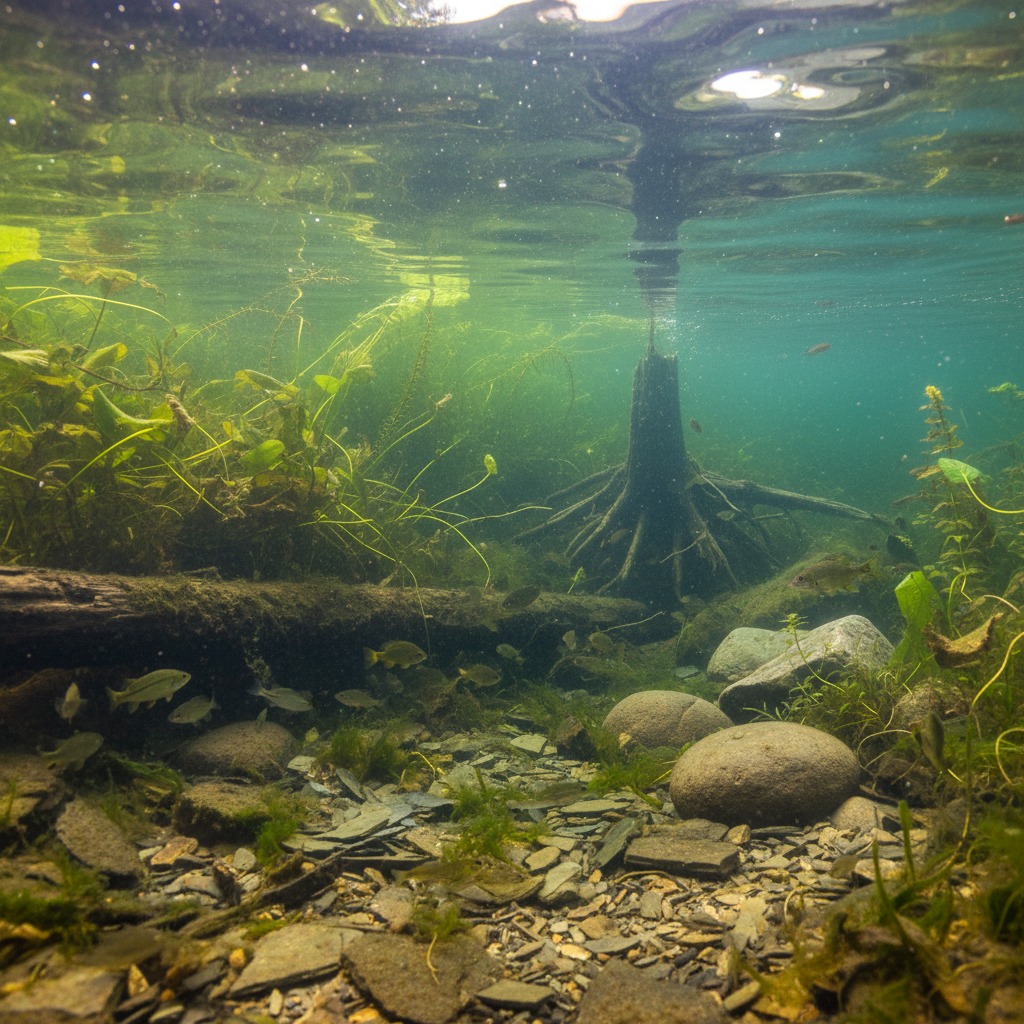
Docks, seawalls, and cleared shorelines change what lives in the water. We look at the relationship between development and the fish populations that depend on natural habitat.
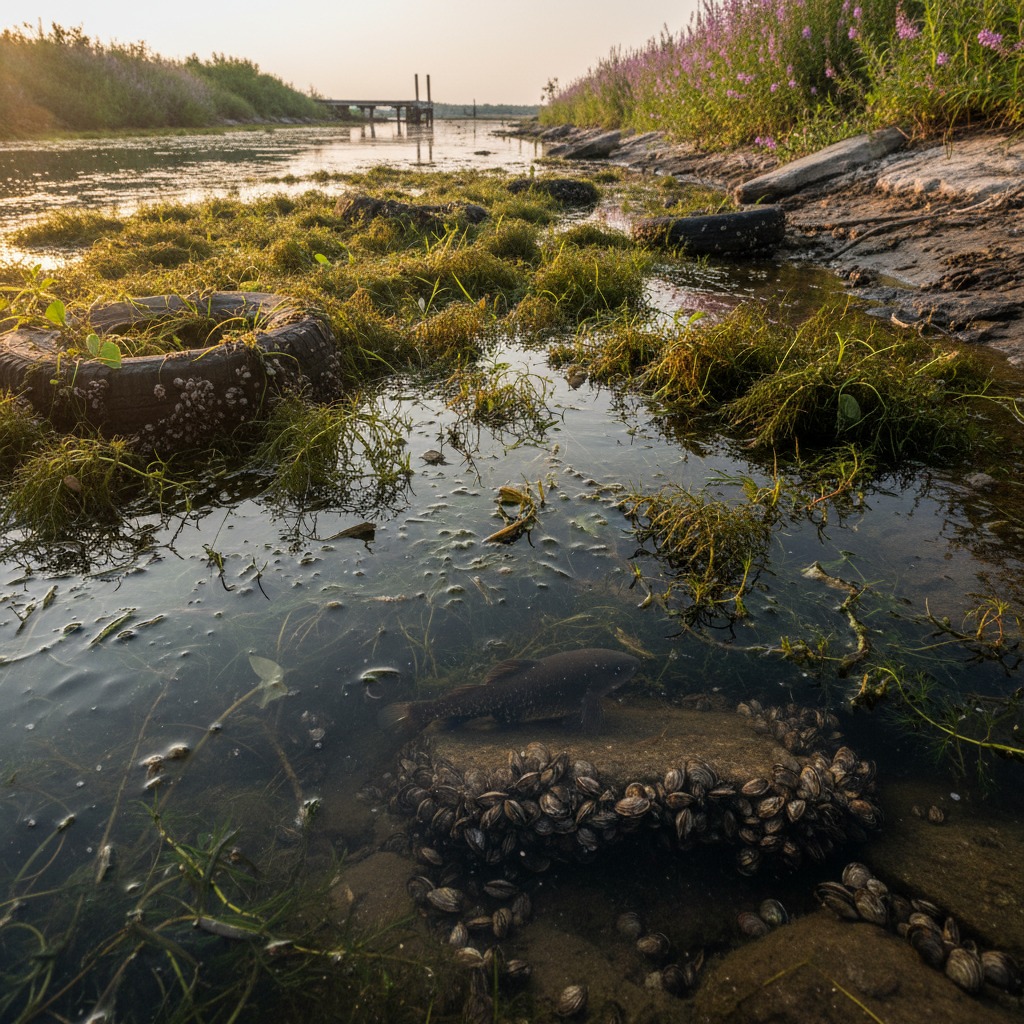
From zebra mussels to round goby, invasive species have permanently altered the ecology of Ontario waterways. Here is how they got here and what they are doing.
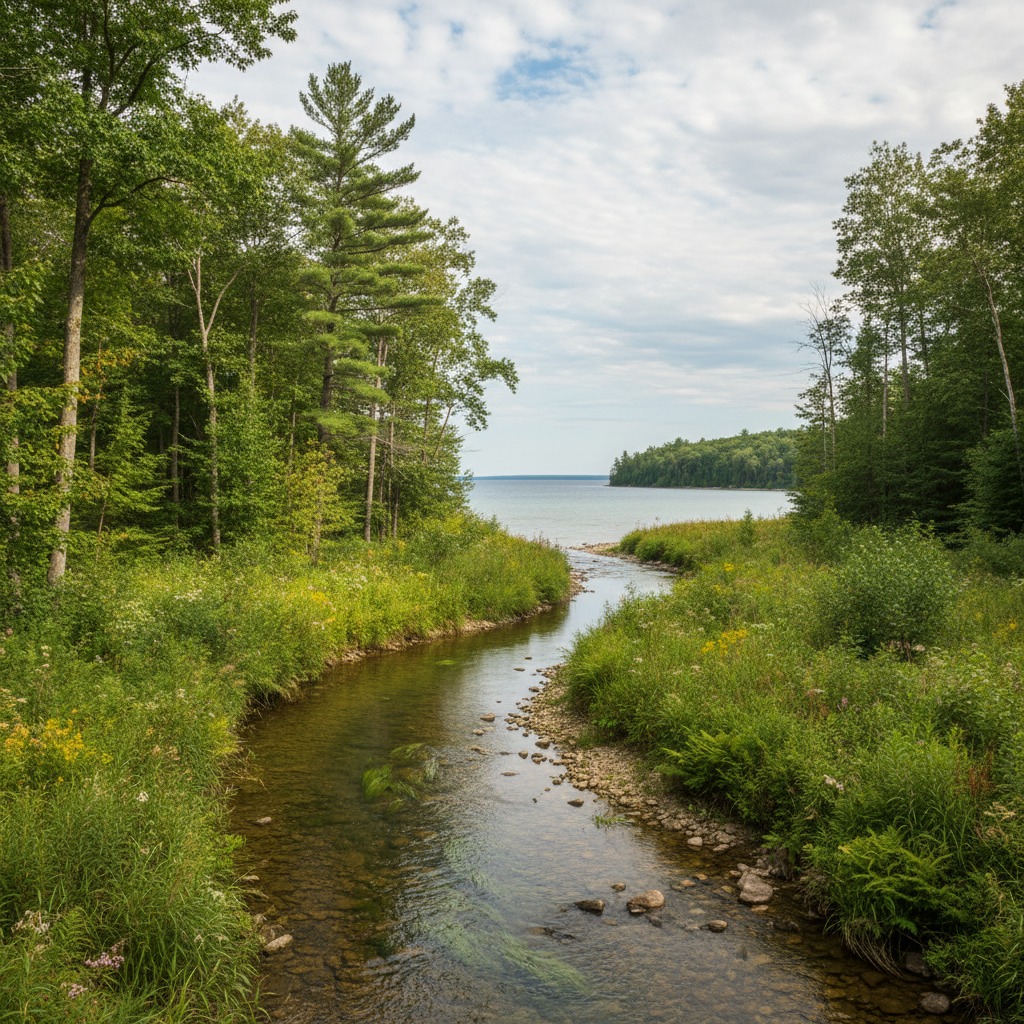
The strip of vegetation between land and water does more work than most people realize. Understanding riparian buffers is key to protecting water quality.
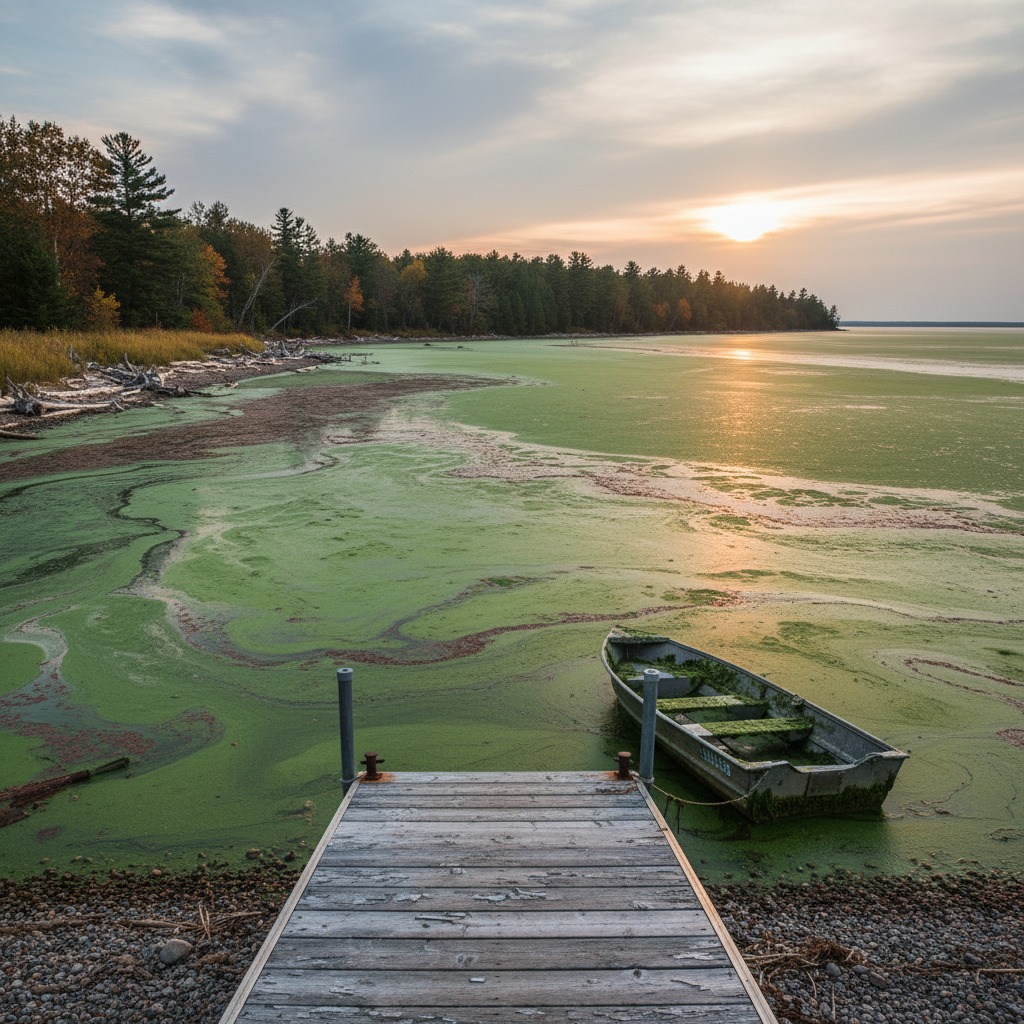
Toxic algae blooms on Lake Erie have become an annual crisis. Despite years of effort, phosphorus loading continues to fuel the problem.
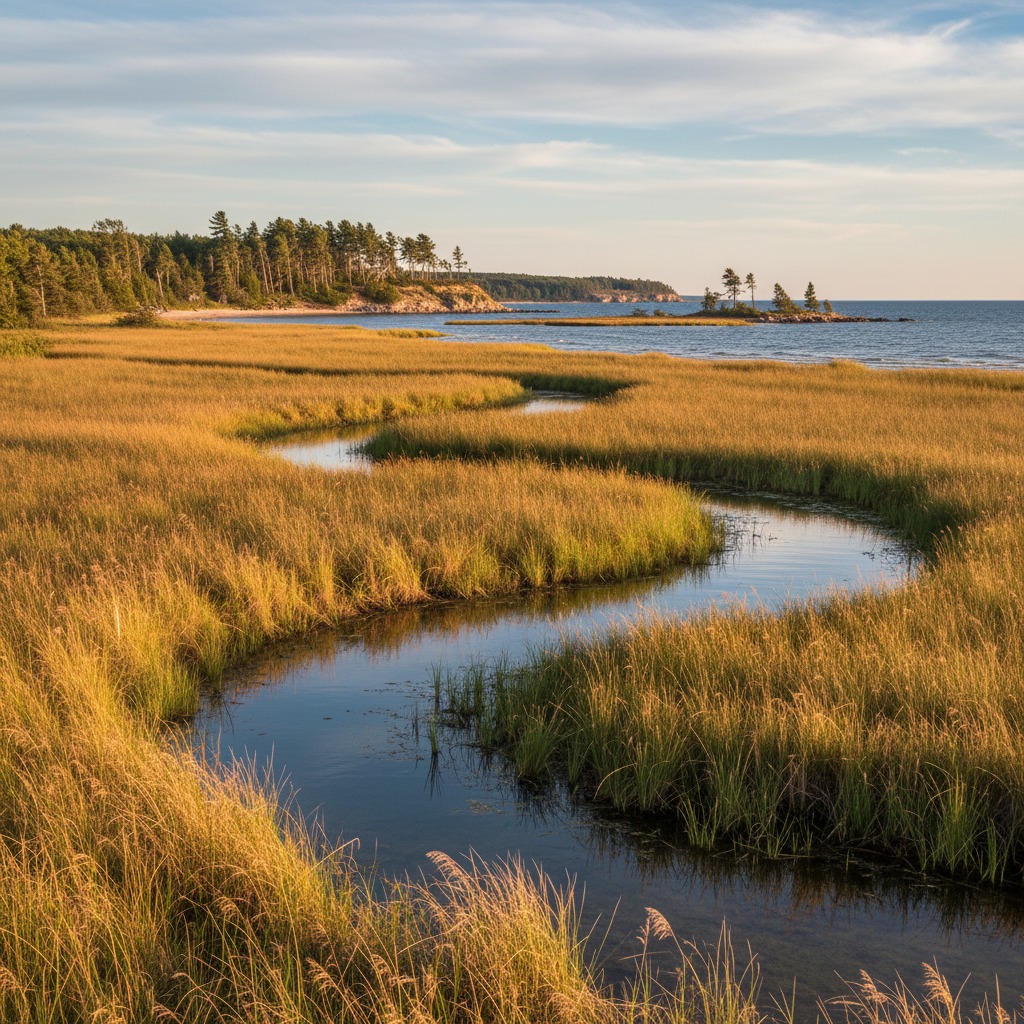
Ontario has lost a significant portion of its coastal wetlands over the past century. These losses have consequences for flood protection, water quality, and biodiversity.
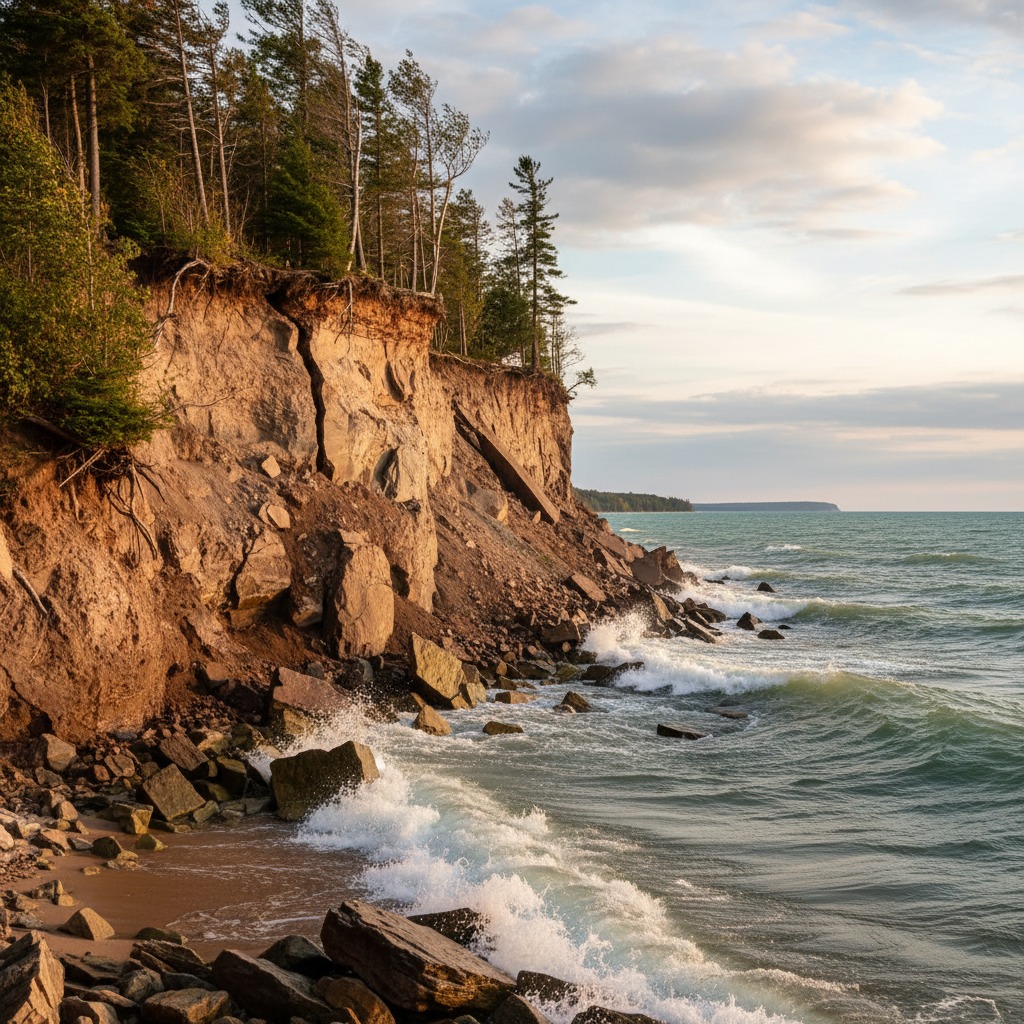
Erosion is claiming property, destroying infrastructure, and redrawing the map along the Great Lakes. We examine the causes and the communities fighting back.